THE ADVENTURE COLLECTIVE® · Independent discovery and booking for outdoor travel

Cruise across Jervis Bay’s famous turquoise water to see towering sea cliffs, powder-white beaches and resident dolphins. This two-hour passage pairs live commentary with reliable wildlife sightings and coastal viewpoints.
Cruise across Jervis Bay’s famous turquoise water to see towering sea cliffs, powder-white beaches and resident dolphins. This two-hour passage pairs live commentary with reliable wildlife sightings and coastal viewpoints.
The boat slips away from Huskisson and the bay opens like a cool, clear pool; turquoise water pushes at the hull while white sand glows along long beaches. Seabirds wheel and a pod of dolphins often appears, arcing through the wake as the cliffs of Point Perpendicular rise, sheer and raw, into the wind.
Verified experiences and guided adventures in the surrounding area.
Operated by Jervis Bay Wild · Huskisson, New South Wales
The boat slips away from Huskisson and the bay opens like a cool, clear pool; turquoise water pushes at the hull while white sand glows along long beaches. Seabirds wheel and a pod of dolphins often appears, arcing through the wake as the cliffs of Point Perpendicular rise, sheer and raw, into the wind.
This stretch of coast sits on land traditionally cared for by the Yuin people and later became a focus for colonial navigation and coastal industry—lighthouses and ship channels shaped local routes. Geologically, Jervis Bay combines fine silica sand—the reason Hyams Beach is famous for its brightness—with older coastal headlands carved by waves and wind. The marine park protects seagrass beds, reefs and a diverse bird population; culture here mixes small-town Huskisson hospitality with Booderee National Park’s Aboriginal-managed reserves.
On a two-hour passage you’ll hear live commentary about landmarks, wildlife and seasonal changes; the captain points out sandpipers on exposed flats and white-bellied sea eagles perched above the cliffs. In whale season (mid‑May to mid‑November) keep binoculars ready.
Practical guide: tours depart twice daily, boarding 15 minutes before departure; wear layers and a windproof jacket, bring sun protection and a camera, and plan on mostly seated viewing with short walk-on/offs at the jetty. If you get seasick, take preventative medication ahead of time. Respect the marine park—stay on board to view sensitive wildlife, and follow crew instructions for a safe, low-impact trip.
easy.
2 hours.
Suitable for most fitness levels—the tour is mostly seated with brief boarding steps and minimal walking.
Yes—whales (typically humpbacks) can be seen in the bay during the migration season, roughly mid‑May to mid‑November, but sightings cannot be guaranteed.
Yes—children are welcome but must be accompanied by an adult at all times and supervised on deck.
Accessibility varies by vessel; there are boarding steps and limited mobility access—contact the operator in advance to confirm arrangements.
Provision varies by operator; expect limited snack and drink options and consider bringing your own water, especially on hot days.
The Jervis Bay coastline is on traditional Yuin land; later maritime navigation and lighthouse construction shaped local settlements and coastal routes.
Jervis Bay Marine Park and Booderee National Park protect seagrass beds, reefs and seabirds—avoid disturbing wildlife, dispose of waste properly and never anchor on seagrass meadows.
Jervis Bay Wild operates guided outdoor trips and adventures with an emphasis on safety, stewardship, and memorable experiences.
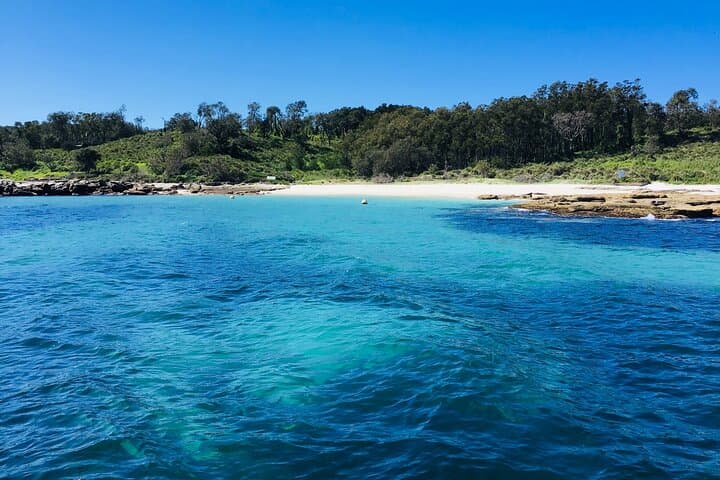
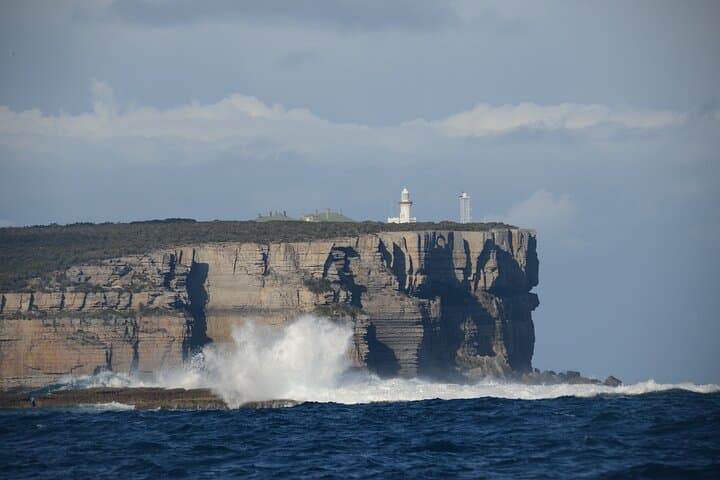
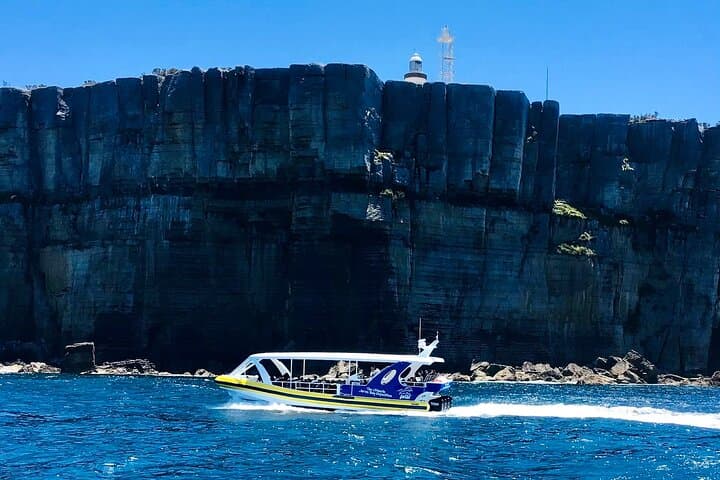
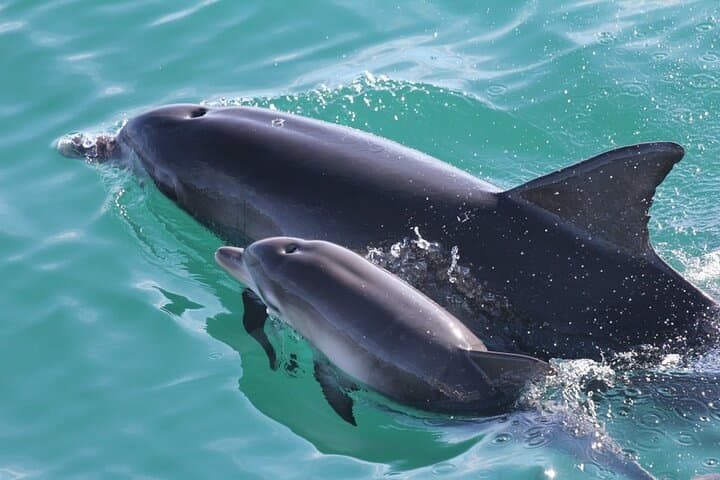
The boat slips away from Huskisson and the bay opens like a cool, clear pool; turquoise water pushes at the hull while white sand glows along long beaches. Seabirds wheel and a pod of dolphins often appears, arcing through the wake as the cliffs of Point Perpendicular rise, sheer and raw, into the wind.
The boat slips away from Huskisson and the bay opens like a cool, clear pool; turquoise water pushes at the hull while white sand glows along long beaches. Seabirds wheel and a pod of dolphins often appears, arcing through the wake as the cliffs of Point Perpendicular rise, sheer and raw, into the wind.
This stretch of coast sits on land traditionally cared for by the Yuin people and later became a focus for colonial navigation and coastal industry—lighthouses and ship channels shaped local routes. Geologically, Jervis Bay combines fine silica sand—the reason Hyams Beach is famous for its brightness—with older coastal headlands carved by waves and wind. The marine park protects seagrass beds, reefs and a diverse bird population; culture here mixes small-town Huskisson hospitality with Booderee National Park’s Aboriginal-managed reserves.
On a two-hour passage you’ll hear live commentary about landmarks, wildlife and seasonal changes; the captain points out sandpipers on exposed flats and white-bellied sea eagles perched above the cliffs. In whale season (mid‑May to mid‑November) keep binoculars ready.
Practical guide: tours depart twice daily, boarding 15 minutes before departure; wear layers and a windproof jacket, bring sun protection and a camera, and plan on mostly seated viewing with short walk-on/offs at the jetty. If you get seasick, take preventative medication ahead of time. Respect the marine park—stay on board to view sensitive wildlife, and follow crew instructions for a safe, low-impact trip.