THE ADVENTURE COLLECTIVE® · Independent discovery and booking for outdoor travel

Walk the lanes of Jerusalem’s Old City with a guided highlights tour that visits Jaffa Gate, the Tower of David, the Church of the Holy Sepulchre and the Western Wall. Practical tips on timing, dress, and navigating cobbled alleys help you make the most of a compact but dense cultural experience.
Walk the lanes of Jerusalem’s Old City with a guided highlights tour that visits Jaffa Gate, the Tower of David, the Church of the Holy Sepulchre and the Western Wall. Practical tips on timing, dress, and navigating cobbled alleys help you make the most of a compact but dense cultural experience.
You step from the dust of Jaffa Gate into a lane where centuries compress into a single breath: prayer calls, merchants calling out wares, stone stairways that remember kings and crusaders. The Old City’s compact quarters—Jewish, Christian, Muslim and Armenian—move at different rhythms but collide in texture: sun-warmed limestone, narrow alleys, and the sudden expose of a sacred plaza.
Verified experiences and guided adventures in the surrounding area.
Operated by Jonathan · Jerusalem, Jerusalem District
You step from the dust of Jaffa Gate into a lane where centuries compress into a single breath: prayer calls, merchants calling out wares, stone stairways that remember kings and crusaders. The Old City’s compact quarters—Jewish, Christian, Muslim and Armenian—move at different rhythms but collide in texture: sun-warmed limestone, narrow alleys, and the sudden expose of a sacred plaza.
This brief walking tour threads key sites—Jaffa Gate, the Tower of David viewpoint, the Church of the Holy Sepulchre and the Western Wall—tying visible landmarks to layers of history. Jerusalem’s geology is obvious in its building stone: Jerusalem stone underpins the city’s look and was quarried and reused through Herodian and Byzantine eras. The Arab Marketplace hums with living culture: spices, textiles and everyday bargaining that has continued for generations.
Local insights from a guide with IDF VIP-security and guiding experience sharpen the narrative: where to stand for the best light on the Church’s facade, how to read inscriptions carved into the stones, and which alleys hold quieter moments away from the crowds.
Practical guidance: tours operate between about 11:00 and 15:00 with an advertised short route (approx. 20 minutes for the core highlights—plan more time if you want deeper stops). Wear sturdy shoes for cobbles and stairs, dress respectfully for religious sites, carry water and sunscreen, and allow extra time for entrance lines at major sites. Strollers are possible on many stretches but expect steps. For a richer visit, arrive early or late afternoon to avoid peak foot traffic and consider combining this walk with a longer, specialist neighborhood tour.
moderate.
20 minutes (core highlights); allow 1–3 hours for extended exploration.
Moderately fit—able to walk on uneven cobbles and climb stairs; not suitable for those with significant mobility restrictions
The advertised core route covers highlights in about 20 minutes, but most visitors spend 1–3 hours exploring sites and markets at a relaxed pace.
Yes—entrance fees and the guide’s fee are listed as included in the tour price.
Strollers are possible in many areas, but expect steps and narrow alleys; infants are required to sit on an adult’s lap when needed.
For a full refund cancel at least 24 hours before the scheduled departure time; last-minute cancellations are non-refundable.
The Western Wall is the remaining retaining wall of the Second Temple complex built in the Herodian period; the Church of the Holy Sepulchre contains sites revered in Christian tradition as the place of crucifixion and resurrection.
High foot traffic stresses fragile historic fabric—stick to marked paths, avoid leaning on ancient masonry, and support local conservation-minded businesses.
Jonathan operates guided outdoor trips and adventures with an emphasis on safety, stewardship, and memorable experiences.
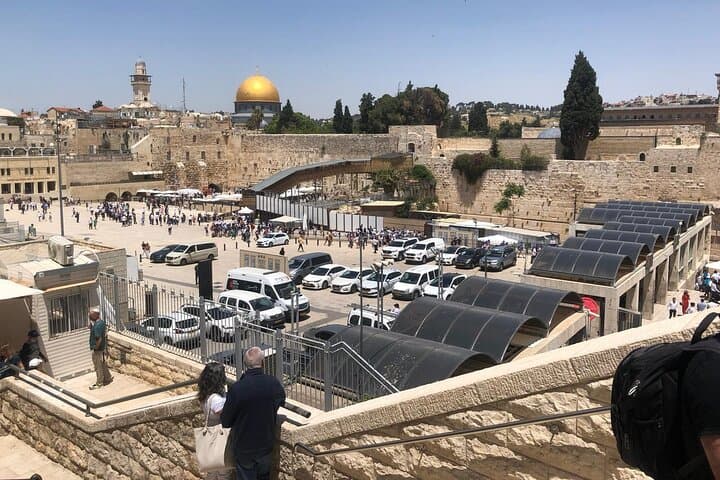
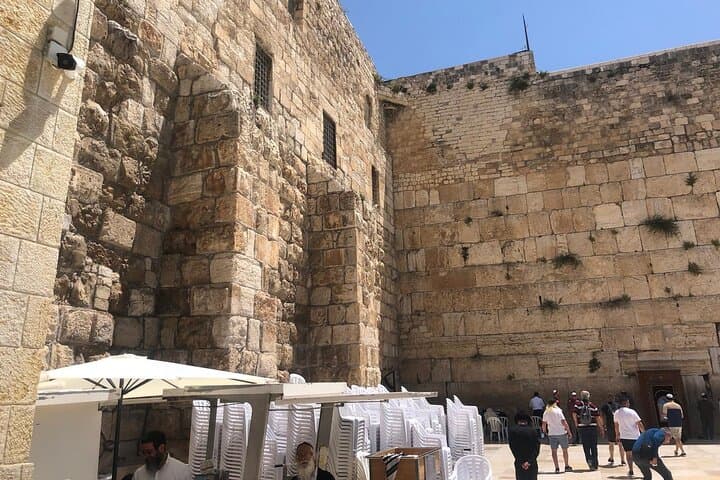
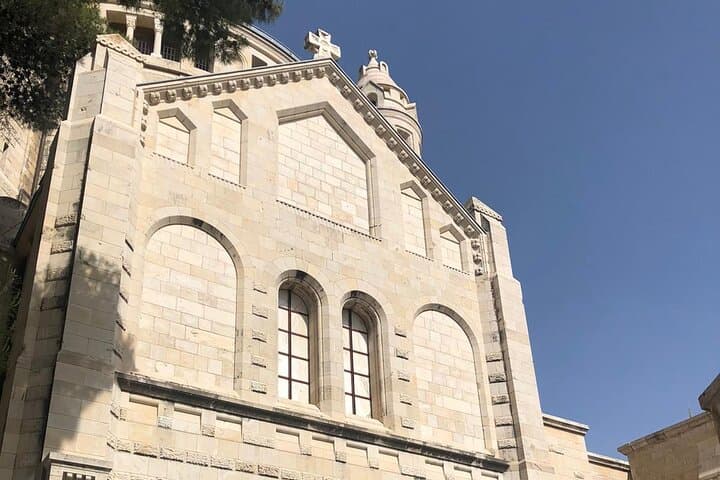
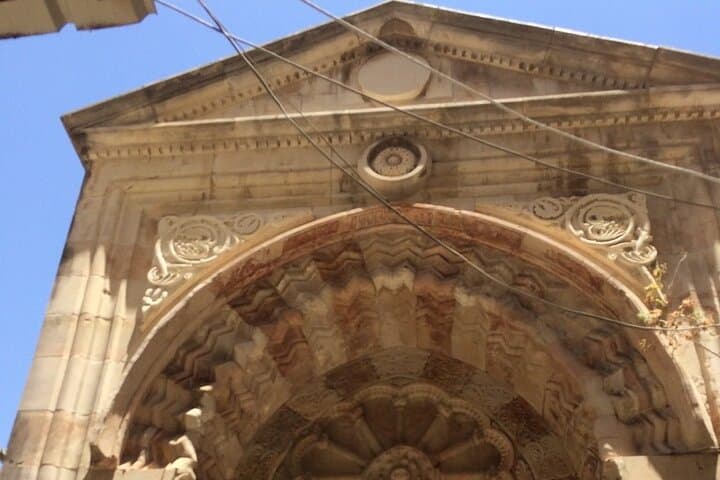
You step from the dust of Jaffa Gate into a lane where centuries compress into a single breath: prayer calls, merchants calling out wares, stone stairways that remember kings and crusaders. The Old City’s compact quarters—Jewish, Christian, Muslim and Armenian—move at different rhythms but collide in texture: sun-warmed limestone, narrow alleys, and the sudden expose of a sacred plaza.
You step from the dust of Jaffa Gate into a lane where centuries compress into a single breath: prayer calls, merchants calling out wares, stone stairways that remember kings and crusaders. The Old City’s compact quarters—Jewish, Christian, Muslim and Armenian—move at different rhythms but collide in texture: sun-warmed limestone, narrow alleys, and the sudden expose of a sacred plaza.
This brief walking tour threads key sites—Jaffa Gate, the Tower of David viewpoint, the Church of the Holy Sepulchre and the Western Wall—tying visible landmarks to layers of history. Jerusalem’s geology is obvious in its building stone: Jerusalem stone underpins the city’s look and was quarried and reused through Herodian and Byzantine eras. The Arab Marketplace hums with living culture: spices, textiles and everyday bargaining that has continued for generations.
Local insights from a guide with IDF VIP-security and guiding experience sharpen the narrative: where to stand for the best light on the Church’s facade, how to read inscriptions carved into the stones, and which alleys hold quieter moments away from the crowds.
Practical guidance: tours operate between about 11:00 and 15:00 with an advertised short route (approx. 20 minutes for the core highlights—plan more time if you want deeper stops). Wear sturdy shoes for cobbles and stairs, dress respectfully for religious sites, carry water and sunscreen, and allow extra time for entrance lines at major sites. Strollers are possible on many stretches but expect steps. For a richer visit, arrive early or late afternoon to avoid peak foot traffic and consider combining this walk with a longer, specialist neighborhood tour.