THE ADVENTURE COLLECTIVE® · Independent discovery and booking for outdoor travel

Spend a full day moving from Roman colonnades at Jerash to the surreal buoyancy of the Dead Sea. This private Amman departure combines archaeological exploration with time to float, bathe and take in one of the planet’s most unusual shorelines.
Spend a full day moving from Roman colonnades at Jerash to the surreal buoyancy of the Dead Sea. This private Amman departure combines archaeological exploration with time to float, bathe and take in one of the planet’s most unusual shorelines.
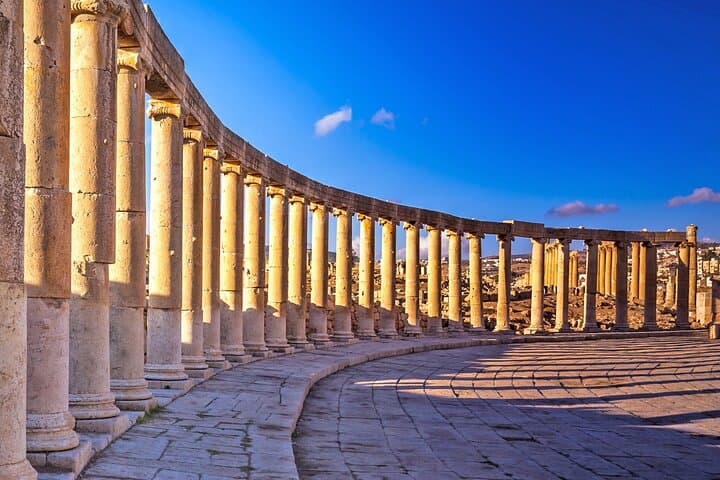
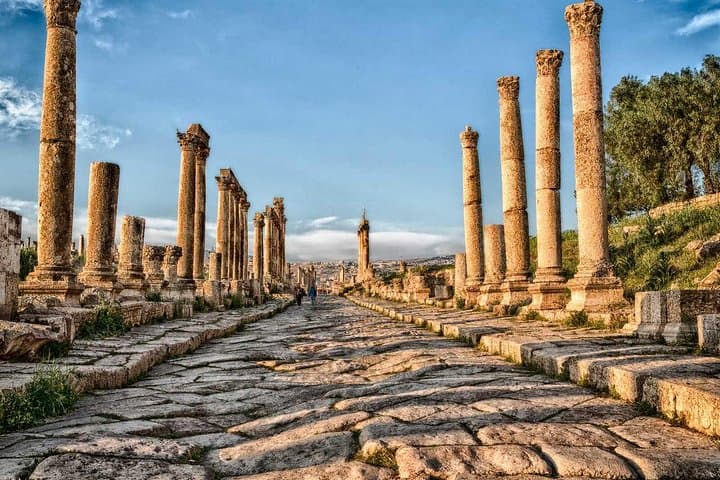
Morning light slices across the limestone columns as your vehicle eases out of Amman and the road unfurls toward Jerash. By the time you step onto the colonnaded avenue, the city’s broad stones feel warm underfoot and the wind seems to push stories out of the broken stones. Later, the road drops toward the Dead Sea and the water, impossibly saline, invites you to lie back and let buoyancy do the work.
Verified experiences and guided adventures in the surrounding area.
Operated by Alamal Travel &Tourism · Jerash, Jerash Governorate
Morning light slices across the limestone columns as your vehicle eases out of Amman and the road unfurls toward Jerash. By the time you step onto the colonnaded avenue, the city’s broad stones feel warm underfoot and the wind seems to push stories out of the broken stones. Later, the road drops toward the Dead Sea and the water, impossibly saline, invites you to lie back and let buoyancy do the work.
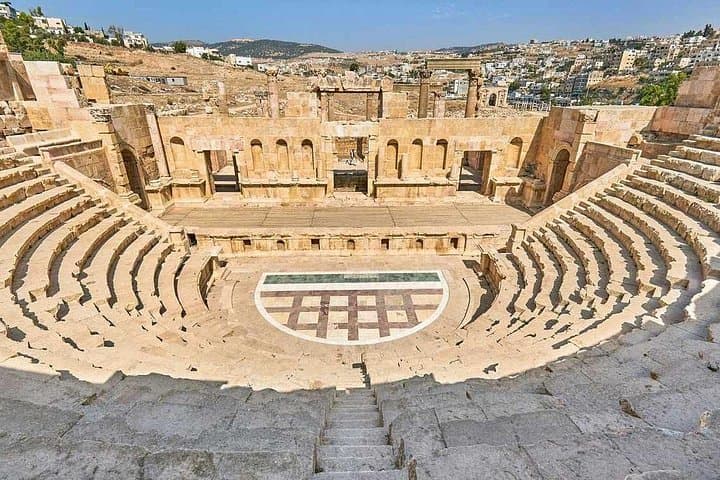
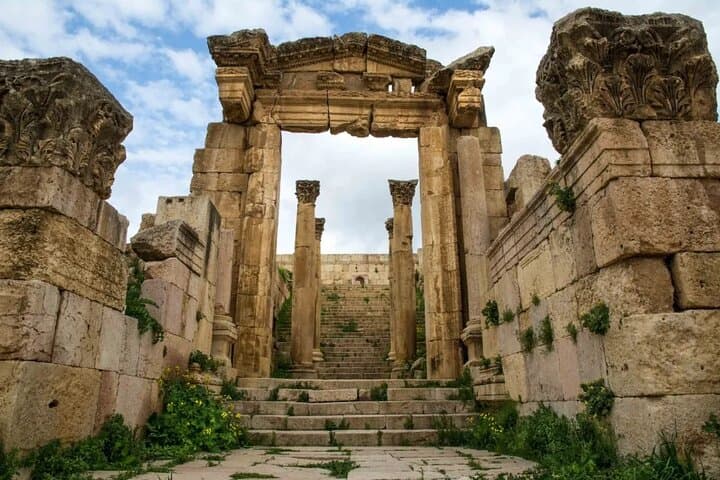
Jerash (ancient Gerasa) is one of the best-preserved Roman provincial cities outside Italy: arches, theaters and a sweeping forum built on volcanic and limestone bedrock that tell of trade routes and imperial design. The Dead Sea, the planet’s lowest exposed point, is defined by its extreme salinity and mineral-rich mud that locals and visitors prize for therapeutic effects. Both places are cultural crossroads — Roman urbanism meets Bedouin and modern Jordanian hospitality.
Expect long, flat walking through exposed ruins at Jerash (allow two hours to move through the main circuit) and beach-resort facilities at the Dead Sea for rinsing and lunch. Bring sunscreen, a hat and a waterproof bag; avoid shaving before entering the Dead Sea and rinse thoroughly after floating. Timed right, the drive offers landscape shifts from olive groves to stark, mineral-banded shorelines.
Practical notes: pack a change of clothes and flip-flops for the Dead Sea, sturdy shoes for Jerash, and plan for a 7–8 hour day with hotel pickup in Amman. The day is equal parts archaeology and slow saltwater calm — active curiosity matched with simple relaxation.
moderate.
7–8 hours.
Suitable for travelers in average fitness; requires standing and walking on uneven terrain for 1–3 hours and brief swimming/ floating ability.
Entry tickets are not automatically included—confirm with your booking option; guides at the site can also arrange tickets on arrival.
Yes; most packages include time at a resort where you can swim, float, use showers and have lunch if that option is selected.
Pickup and drop-off in Amman are listed as included—be ready at your confirmed pickup point and provide full names and pickup details when booking.
The operator notes the tour is easy physically and suitable for all fitness levels, but take care with the salty water for young children and those with skin or heart conditions.
Jerash (Gerasa) was a prosperous Roman city in the Decapolis with grand ceremonial streets; the Dead Sea region appears in biblical accounts and has long drawn visitors for its mineral mud and salt.
The Dead Sea is receding due to upstream water diversion and mineral extraction; use resort facilities, avoid litter, and choose biodegradable sunscreens to limit local impact.
Alamal Travel &Tourism operates guided outdoor trips and adventures with an emphasis on safety, stewardship, and memorable experiences.
Morning light slices across the limestone columns as your vehicle eases out of Amman and the road unfurls toward Jerash. By the time you step onto the colonnaded avenue, the city’s broad stones feel warm underfoot and the wind seems to push stories out of the broken stones. Later, the road drops toward the Dead Sea and the water, impossibly saline, invites you to lie back and let buoyancy do the work.
Morning light slices across the limestone columns as your vehicle eases out of Amman and the road unfurls toward Jerash. By the time you step onto the colonnaded avenue, the city’s broad stones feel warm underfoot and the wind seems to push stories out of the broken stones. Later, the road drops toward the Dead Sea and the water, impossibly saline, invites you to lie back and let buoyancy do the work.
Jerash (ancient Gerasa) is one of the best-preserved Roman provincial cities outside Italy: arches, theaters and a sweeping forum built on volcanic and limestone bedrock that tell of trade routes and imperial design. The Dead Sea, the planet’s lowest exposed point, is defined by its extreme salinity and mineral-rich mud that locals and visitors prize for therapeutic effects. Both places are cultural crossroads — Roman urbanism meets Bedouin and modern Jordanian hospitality.
Expect long, flat walking through exposed ruins at Jerash (allow two hours to move through the main circuit) and beach-resort facilities at the Dead Sea for rinsing and lunch. Bring sunscreen, a hat and a waterproof bag; avoid shaving before entering the Dead Sea and rinse thoroughly after floating. Timed right, the drive offers landscape shifts from olive groves to stark, mineral-banded shorelines.
Practical notes: pack a change of clothes and flip-flops for the Dead Sea, sturdy shoes for Jerash, and plan for a 7–8 hour day with hotel pickup in Amman. The day is equal parts archaeology and slow saltwater calm — active curiosity matched with simple relaxation.