THE ADVENTURE COLLECTIVE® · Independent discovery and booking for outdoor travel

Explore Jerash's Greco-Roman streets and the hilltop fortifications of Ajloun on a full-day tour from Amman. This guided trip pairs archaeological walkthroughs with a forested mountain walk for a concise introduction to northern Jordan's history and landscape.
Explore Jerash's Greco-Roman streets and the hilltop fortifications of Ajloun on a full-day tour from Amman. This guided trip pairs archaeological walkthroughs with a forested mountain walk for a concise introduction to northern Jordan's history and landscape.
You step off an air-conditioned minivan and the stones underfoot change their story — from millennia of paved Roman streets in Jerash to the wind-scoured battlements of Ajloun high above the valley.
Verified experiences and guided adventures in the surrounding area.
Operated by Abdullah · Jerash, Jerash Governorate
You step off an air-conditioned minivan and the stones underfoot change their story — from millennia of paved Roman streets in Jerash to the wind-scoured battlements of Ajloun high above the valley.
Jerash opens like a lesson in imperial geometry: colonnaded streets, a wide oval forum, and the remains of theatres that once held civic life under Roman rule. The city — known in antiquity as Gerasa — shows layers of Greek, Roman and Byzantine architecture, and bears scars from the 749 AD earthquake that reshaped the region.
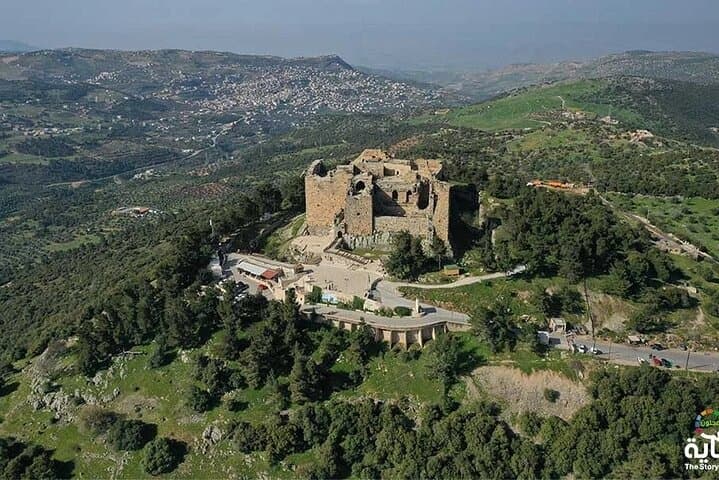
A short drive north, Ajloun Castle perches on a limestone ridge. Built in the 12th century by forces loyal to Saladin, its narrow stairways and arrow slits reveal a medieval defensive network with long views across the Jordan Valley. Nearby, the Ajloun forests slope into oak and pine that scent the air; breezes here seem to push you along the ridgeline paths.
The day balances archaeology and landscape: guided walkthroughs of amphitheatre aisles and castle chambers, followed by a relaxed forest walk through trails and old caves. Local guides connect the sites to Jordanian history and rural life — from olive terraces to shepherding routes.
Practical edge: expect a full 9–10 hour day, some uneven footing and castle staircases. Wear sturdy shoes, carry sun protection, and plan for hydration and regular photo stops. Timing your visit earlier in the day or later afternoon reduces heat and softens the light across the ruins.
moderate.
9–10 hours.
Able to walk several hours with occasional stairs and uneven ground; average fitness recommended
The private tour runs about 9–10 hours and typically includes transport, a professional guide, breakfast, lunch, bottled water and entry to included sites.
The operator lists wheelchair-accessible options for transport and some surfaces, but ancient sites have uneven ground and stairs that may limit access to specific areas.
Most departures leave from Amman with hotel pickups; you'll select or confirm a pickup point when booking.
Yes — the tour accommodates families; infant seats are available, and walking sections can be shortened if needed.
Jerash (ancient Gerasa) flourished under Hellenistic and Roman rule and retains a remarkably complete street plan; Ajloun Castle dates to the 12th century and was part of a defensive ring against Crusader advances.
Visitor management focuses on protecting stonework and vegetation; stick to marked paths, avoid climbing fragile ruins, and minimize single-use plastics.
Abdullah operates guided outdoor trips and adventures with an emphasis on safety, stewardship, and memorable experiences.



You step off an air-conditioned minivan and the stones underfoot change their story — from millennia of paved Roman streets in Jerash to the wind-scoured battlements of Ajloun high above the valley.
You step off an air-conditioned minivan and the stones underfoot change their story — from millennia of paved Roman streets in Jerash to the wind-scoured battlements of Ajloun high above the valley.
Jerash opens like a lesson in imperial geometry: colonnaded streets, a wide oval forum, and the remains of theatres that once held civic life under Roman rule. The city — known in antiquity as Gerasa — shows layers of Greek, Roman and Byzantine architecture, and bears scars from the 749 AD earthquake that reshaped the region.
A short drive north, Ajloun Castle perches on a limestone ridge. Built in the 12th century by forces loyal to Saladin, its narrow stairways and arrow slits reveal a medieval defensive network with long views across the Jordan Valley. Nearby, the Ajloun forests slope into oak and pine that scent the air; breezes here seem to push you along the ridgeline paths.
The day balances archaeology and landscape: guided walkthroughs of amphitheatre aisles and castle chambers, followed by a relaxed forest walk through trails and old caves. Local guides connect the sites to Jordanian history and rural life — from olive terraces to shepherding routes.
Practical edge: expect a full 9–10 hour day, some uneven footing and castle staircases. Wear sturdy shoes, carry sun protection, and plan for hydration and regular photo stops. Timing your visit earlier in the day or later afternoon reduces heat and softens the light across the ruins.