THE ADVENTURE COLLECTIVE® · Independent discovery and booking for outdoor travel

Take a full-day shuttle from Seoul or Busan to Jeonju’s Hanok Village, where traditional architecture, bibimbap, and a guided hanbok experience concentrate the city’s history into a single, walkable itinerary. Practical tips on timing, pickup, and what to bring help you make the most of the day.
Take a full-day shuttle from Seoul or Busan to Jeonju’s Hanok Village, where traditional architecture, bibimbap, and a guided hanbok experience concentrate the city’s history into a single, walkable itinerary. Practical tips on timing, pickup, and what to bring help you make the most of the day.
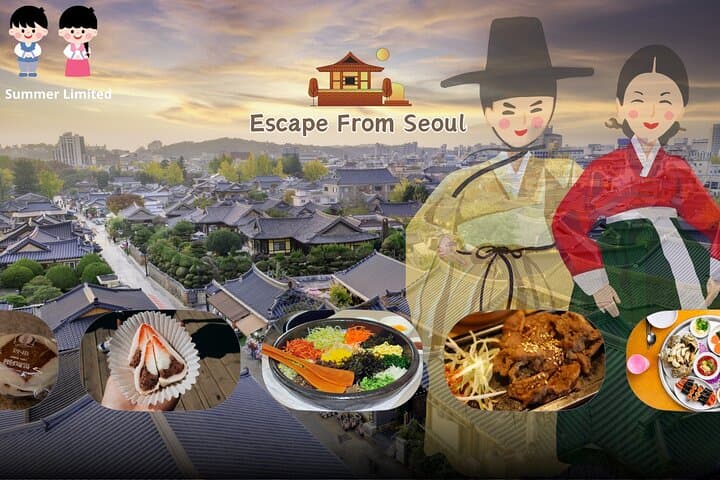
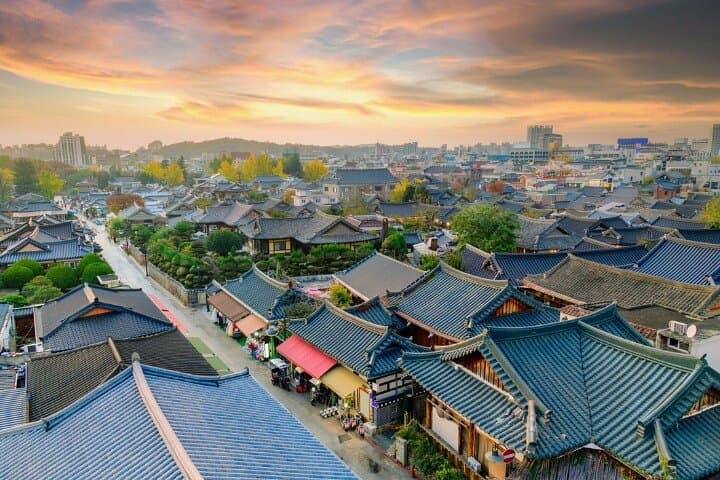
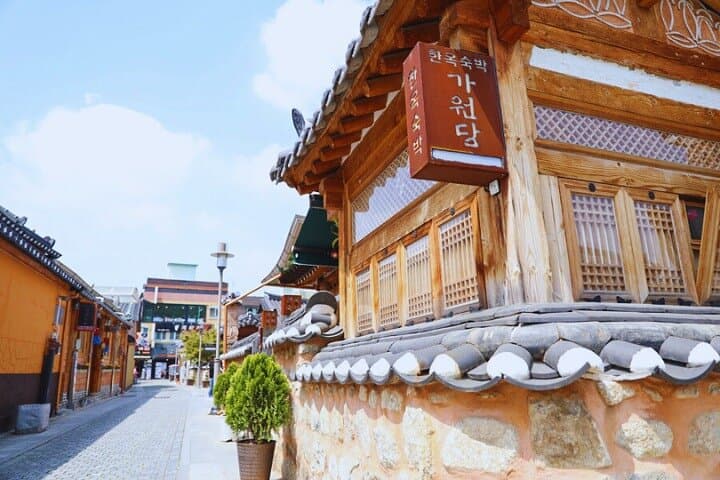
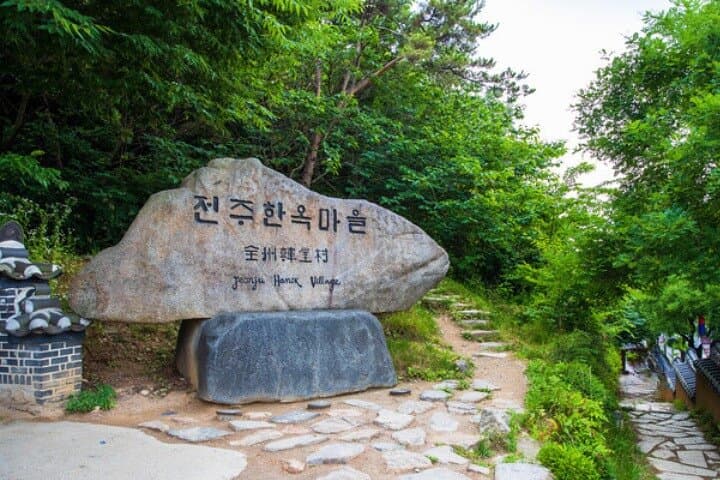
You step off an air-conditioned coach and into a lane of curved tile roofs; wooden eaves lean close enough to touch and the scent of sesame oil and gochujang drifts from open kitchens. The shuttle deposits you at Jeonju Hanok Village, where narrow alleys guide you past low-rise hanok, craft shops, and steaming bowls of bibimbap that have defined the city’s table for centuries.
Verified experiences and guided adventures in the surrounding area.
Operated by S.A. Tour · Jeonju, North Jeolla Province
You step off an air-conditioned coach and into a lane of curved tile roofs; wooden eaves lean close enough to touch and the scent of sesame oil and gochujang drifts from open kitchens. The shuttle deposits you at Jeonju Hanok Village, where narrow alleys guide you past low-rise hanok, craft shops, and steaming bowls of bibimbap that have defined the city’s table for centuries.
Jeonju was once the seat of Later Baekje and later a cultural anchor tied to the Joseon dynasty; its layout reflects practical Confucian planning as much as aesthetic tradition. Geologically the city sits on a gentle plain ringed by low ridges, which historically made it a farming and trade hub—the rice paddies around town still push sightlines toward green hills. Culture here is tactile: lacquer, paper, and stonework are visible in shrine courtyards and market stalls, and the hanbok you wear connects you directly to that living craftsmanship.
Practical guidance: the shared shuttle is a full-day rhythm—roughly 10 hours from departure to return—so plan for 6–8 hours in Jeonju proper. Book the Seoul or Busan meeting point carefully; return drop-off matches your chosen start city. Bring sunscreen and a light layer for breezy courtyards, comfortable walking shoes for packed stone and narrow lanes, and small cash for market snacks. Reserve hanbok time early in the day to avoid crowds and allow 30–45 minutes for dressing. If you want quieter photos, aim for early afternoon after morning peaks. This is an easy, culturally dense day trip that rewards straightforward planning and an appetite for food, craft, and close-up history.
easy.
10 hours.
Suitable for most fitness levels; expect several hours of walking on flat to slightly uneven paved surfaces
The total scheduled duration is about 10 hours; expect roughly 6–8 hours on the ground in Jeonju depending on traffic and timing.
Yes—hanbok experience is included; plan for 30–45 minutes to change and a brief photo session (book early in the day for best availability).
Attraction fees and guide services are included, but meals are not—bring cash or card for street food and restaurants in Hanok Village and Nambu Market.
The activity is rated easy, but it’s not recommended for travelers with spinal injuries due to long coach travel and uneven village surfaces; check the provider’s notes if you have mobility concerns.
Jeonju served as the capital of Later Baekje and later became a cultural center tied to the Joseon lineage; its hanok district preserves urban forms and crafts from those eras.
Hanok Village is actively managed for preservation—respect private homes, limit flash photography inside wooden structures, and carry out waste to reduce impact on narrow lanes.
S.A. Tour operates guided outdoor trips and adventures with an emphasis on safety, stewardship, and memorable experiences.
You step off an air-conditioned coach and into a lane of curved tile roofs; wooden eaves lean close enough to touch and the scent of sesame oil and gochujang drifts from open kitchens. The shuttle deposits you at Jeonju Hanok Village, where narrow alleys guide you past low-rise hanok, craft shops, and steaming bowls of bibimbap that have defined the city’s table for centuries.
You step off an air-conditioned coach and into a lane of curved tile roofs; wooden eaves lean close enough to touch and the scent of sesame oil and gochujang drifts from open kitchens. The shuttle deposits you at Jeonju Hanok Village, where narrow alleys guide you past low-rise hanok, craft shops, and steaming bowls of bibimbap that have defined the city’s table for centuries.
Jeonju was once the seat of Later Baekje and later a cultural anchor tied to the Joseon dynasty; its layout reflects practical Confucian planning as much as aesthetic tradition. Geologically the city sits on a gentle plain ringed by low ridges, which historically made it a farming and trade hub—the rice paddies around town still push sightlines toward green hills. Culture here is tactile: lacquer, paper, and stonework are visible in shrine courtyards and market stalls, and the hanbok you wear connects you directly to that living craftsmanship.
Practical guidance: the shared shuttle is a full-day rhythm—roughly 10 hours from departure to return—so plan for 6–8 hours in Jeonju proper. Book the Seoul or Busan meeting point carefully; return drop-off matches your chosen start city. Bring sunscreen and a light layer for breezy courtyards, comfortable walking shoes for packed stone and narrow lanes, and small cash for market snacks. Reserve hanbok time early in the day to avoid crowds and allow 30–45 minutes for dressing. If you want quieter photos, aim for early afternoon after morning peaks. This is an easy, culturally dense day trip that rewards straightforward planning and an appetite for food, craft, and close-up history.