THE ADVENTURE COLLECTIVE® · Independent discovery and booking for outdoor travel

Spend a full day exploring Jeju’s west and south: shell-sand beaches, lava-formed cliffs, subtropical waterfalls, and seasonal hydrangea displays. This guided tour includes hotel pickup, Hallim Park’s festival gardens, Cheonjeyeon Waterfall, Jusangjeolli cliffs, Camellia Hill and the O'Sulloc Tea Museum.
Spend a full day exploring Jeju’s west and south: shell-sand beaches, lava-formed cliffs, subtropical waterfalls, and seasonal hydrangea displays. This guided tour includes hotel pickup, Hallim Park’s festival gardens, Cheonjeyeon Waterfall, Jusangjeolli cliffs, Camellia Hill and the O'Sulloc Tea Museum.
A morning light spreads across the black volcanic shore as your air-conditioned minivan winds west from Jeju City toward Hyeopjae Beach. Waves chop a cobalt ribbon against pale, shell-sand; gulls wheel and dare you to linger while the driver sets a calm pace through Hallim-eup and toward pockets of cultivated color.
Verified experiences and guided adventures in the surrounding area.
Operated by 러브코리아(LOVE KOREA) · Jeju City, Jeju-do
A morning light spreads across the black volcanic shore as your air-conditioned minivan winds west from Jeju City toward Hyeopjae Beach. Waves chop a cobalt ribbon against pale, shell-sand; gulls wheel and dare you to linger while the driver sets a calm pace through Hallim-eup and toward pockets of cultivated color.
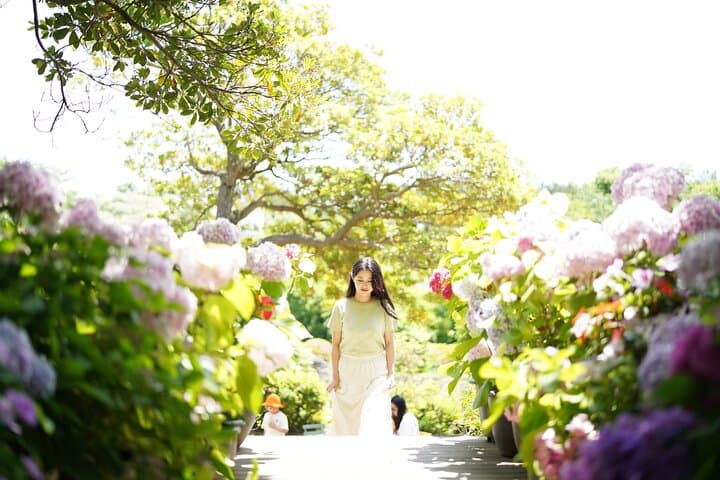
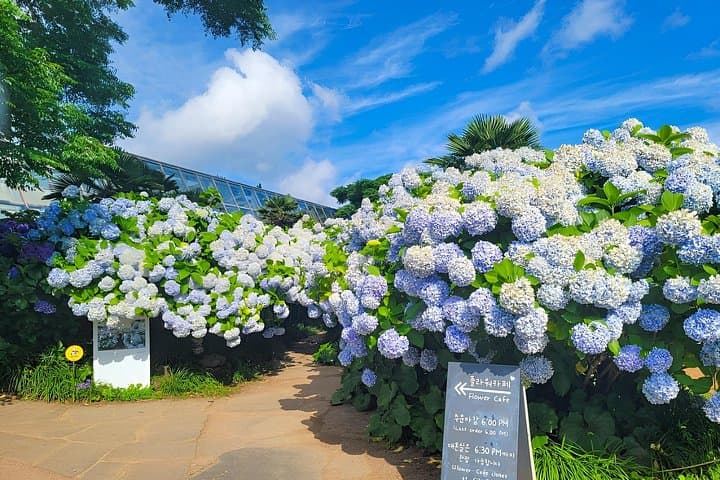
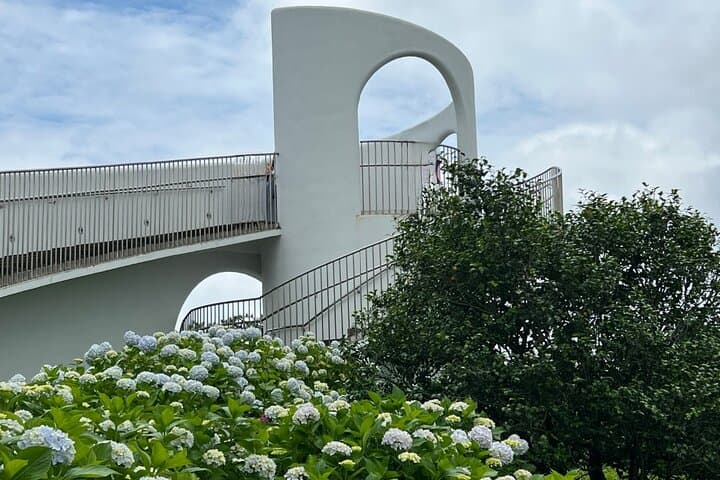
This full-day loop stitches together Jeju’s volcanic story and cultivated landscapes. Hallim Park sits on old lava flows and houses subtropical greenhouses and a lava tube system carved by molten basalt from Hallasan. Nearby Jusangjeolli shows columnar joints—basalt columns formed as lava cooled and the sea then shaped them—now part of a UNESCO Geopark. Cheonjeyeon’s falls collect clear, cold water in a protected subtropical valley once tied to local folklore; Camellia Hill and seasonal hydrangea displays reflect Jeju’s horticultural culture, while the O'Sulloc Tea Museum interprets Korea’s tea traditions amid rolling green fields.
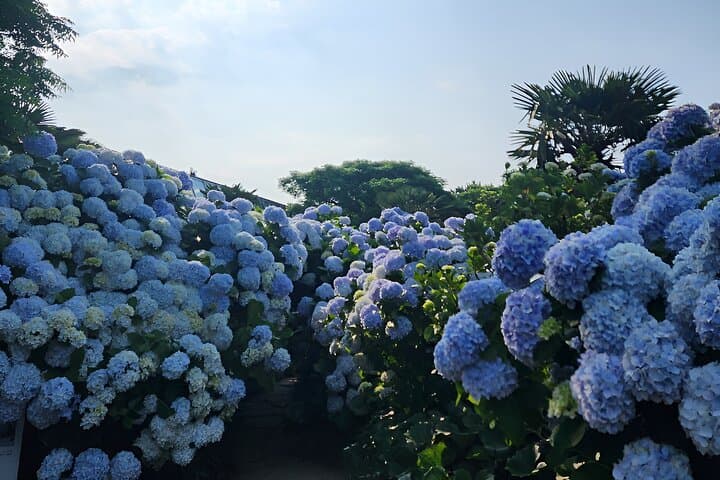
Expect mostly easy walking: short boardwalks, paved paths, and some stepped viewpoints. The tour runs about nine hours with guided stops, a hotel pickup in Jeju City, and parking included. Wear supportive shoes for mixed surfaces, bring sun and rain protection, and plan for crowds at popular sites during festival dates. Hydrangea tunnels peak in late spring to early summer; visit earlier in the morning for softer light and fewer tour groups. Treat cultural sites and plantings with respect—stay on paths, leave no trace, and use local cafés to sample Jeju tea and tangerine treats between viewpoints.
easy.
9 hours.
Suitable for most fitness levels; involves short walks and some stair-stepped viewpoints
Yes — the tour includes pickup and drop-off from hotels in Jeju City as part of the booking.
Admission policies vary; the itinerary notes parking and some admissions may not be included—confirm specific inclusions at booking.
The tour is classified as easy with short walks and paved access, making it generally suitable for children and older travelers able to board the vehicle and manage brief walks.
Hydrangea blooms are typically best in late spring to early summer; exact timing varies year to year, so check festival dates before booking.
Jeju is volcanic—Hallasan’s eruptions laid basalt flows that formed caves and columnar cliffs; the island’s unique geology earned parts of it UNESCO Geopark status.
Stick to marked trails, avoid picking flowers during festival displays, and support local conservation by using marked waste facilities and patronizing local vendors.
러브코리아(LOVE KOREA) operates guided outdoor trips and adventures with an emphasis on safety, stewardship, and memorable experiences.
A morning light spreads across the black volcanic shore as your air-conditioned minivan winds west from Jeju City toward Hyeopjae Beach. Waves chop a cobalt ribbon against pale, shell-sand; gulls wheel and dare you to linger while the driver sets a calm pace through Hallim-eup and toward pockets of cultivated color.
A morning light spreads across the black volcanic shore as your air-conditioned minivan winds west from Jeju City toward Hyeopjae Beach. Waves chop a cobalt ribbon against pale, shell-sand; gulls wheel and dare you to linger while the driver sets a calm pace through Hallim-eup and toward pockets of cultivated color.
This full-day loop stitches together Jeju’s volcanic story and cultivated landscapes. Hallim Park sits on old lava flows and houses subtropical greenhouses and a lava tube system carved by molten basalt from Hallasan. Nearby Jusangjeolli shows columnar joints—basalt columns formed as lava cooled and the sea then shaped them—now part of a UNESCO Geopark. Cheonjeyeon’s falls collect clear, cold water in a protected subtropical valley once tied to local folklore; Camellia Hill and seasonal hydrangea displays reflect Jeju’s horticultural culture, while the O'Sulloc Tea Museum interprets Korea’s tea traditions amid rolling green fields.
Expect mostly easy walking: short boardwalks, paved paths, and some stepped viewpoints. The tour runs about nine hours with guided stops, a hotel pickup in Jeju City, and parking included. Wear supportive shoes for mixed surfaces, bring sun and rain protection, and plan for crowds at popular sites during festival dates. Hydrangea tunnels peak in late spring to early summer; visit earlier in the morning for softer light and fewer tour groups. Treat cultural sites and plantings with respect—stay on paths, leave no trace, and use local cafés to sample Jeju tea and tangerine treats between viewpoints.