THE ADVENTURE COLLECTIVE® · Independent discovery and booking for outdoor travel

Spend a winter day on Jeju’s east coast: see snow on volcanic rock, wander camellia groves, pick fresh mandarins and visit Seongsan Ilchulbong and lava tubes. Practical tips and timing help you plan the full‑day experience.
Spend a winter day on Jeju’s east coast: see snow on volcanic rock, wander camellia groves, pick fresh mandarins and visit Seongsan Ilchulbong and lava tubes. Practical tips and timing help you plan the full‑day experience.
A cold wind from the Yellow Sea pushes across volcanic black rock as you step from an air‑conditioned van onto a roadside carpeted with red camellia petals. Snow clings to low stone walls and the island feels both raw and domesticated — lava fields softened by scattered groves of mandarin trees.
Verified experiences and guided adventures in the surrounding area.
Operated by 러브코리아(LOVE KOREA) · Seogwipo, Jeju Province
A cold wind from the Yellow Sea pushes across volcanic black rock as you step from an air‑conditioned van onto a roadside carpeted with red camellia petals. Snow clings to low stone walls and the island feels both raw and domesticated — lava fields softened by scattered groves of mandarin trees.
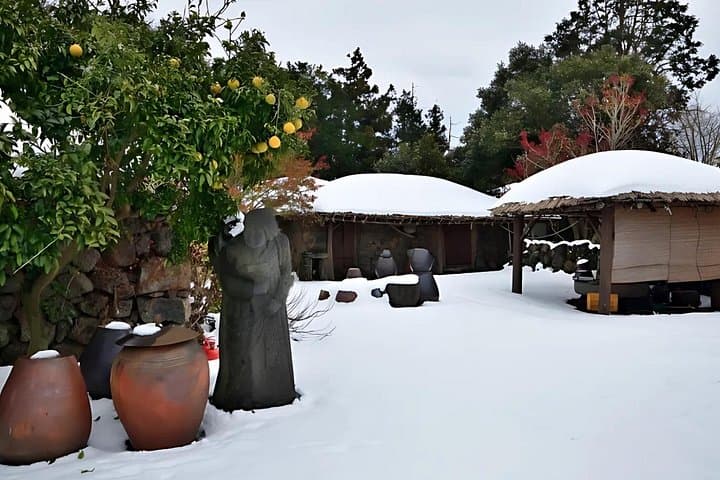
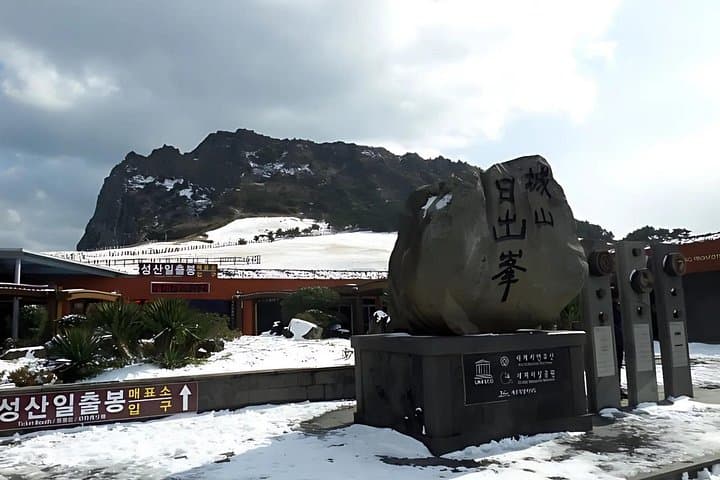
This one‑day loop through eastern Jeju threads together sites shaped by volcano, sea and human craft. Seongsan Ilchulbong (Sunrise Peak) rises like a sliced crater at the ocean’s edge — a UNESCO site formed by hydrovolcanic eruptions — offering wide views and stark, wind‑whipped ridgelines. Nearby lava tubes such as Micheon Cave trace flows from Hallasan’s eruptions; their basalt passages whisper the island’s geological past. In Seongeup Folk Village, thatch and stone walls tell a social history of haenyeo women divers, who still harvest from the sea and may perform a demonstration during winter months.
The seasonal highlights are very literal: camellia blooms peak in winter, and Jeju’s small orange orchards yield fresh mandarins you can pick and taste on the spot. Cultural notes—traditional village layouts, haenyeo diving culture, and the local mandarin economy—give texture to the scenery.
Practical guidance: this full‑day tour runs about nine hours with hotel pickup in Jeju City and moderate walking on uneven ground. Bring layered, waterproof clothing, sturdy shoes for muddy or icy trails, and a small daypack for purchases and water. Expect short hikes, cave steps, and open windy overlooks — move deliberately and leave space for photography at sunrise viewpoints and orchard lanes.
moderate.
9 hours.
Suitable for travelers with moderate fitness—able to walk short distances on uneven ground and climb steps.
The tour is approximately nine hours and typically includes hotel pickup and drop‑off in Jeju City via an air‑conditioned vehicle.
Yes—tangerine/mandarin picking is part of the itinerary and you can taste fresh fruit at the orchard stop; availability depends on season and crop conditions.
The tour includes visits but some attractions or optional demonstrations may require separate fees; check your booking details or ask the guide on the day.
This tour involves walking on uneven surfaces, steps and some short hikes; it’s best suited to those with moderate mobility rather than severe limitations.
Jeju’s culture has been shaped by volcanic geology and a long maritime tradition; haenyeo female divers and stone‑walled village patterns reflect centuries of island adaptation.
Jeju’s ecosystems are sensitive—stay on marked trails, avoid picking wild plants outside designated farms, and support local guides who practice low‑impact tourism.
러브코리아(LOVE KOREA) operates guided outdoor trips and adventures with an emphasis on safety, stewardship, and memorable experiences.
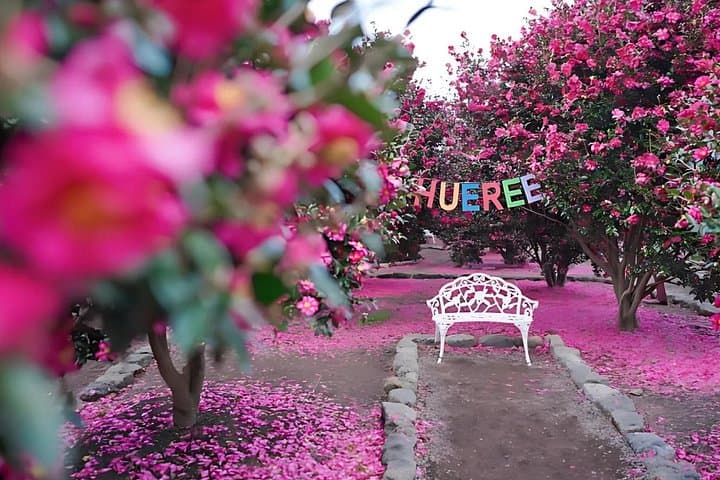
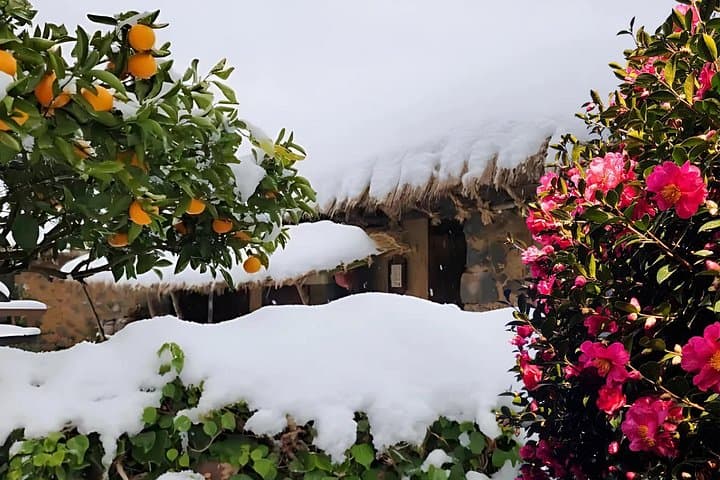
A cold wind from the Yellow Sea pushes across volcanic black rock as you step from an air‑conditioned van onto a roadside carpeted with red camellia petals. Snow clings to low stone walls and the island feels both raw and domesticated — lava fields softened by scattered groves of mandarin trees.
A cold wind from the Yellow Sea pushes across volcanic black rock as you step from an air‑conditioned van onto a roadside carpeted with red camellia petals. Snow clings to low stone walls and the island feels both raw and domesticated — lava fields softened by scattered groves of mandarin trees.
This one‑day loop through eastern Jeju threads together sites shaped by volcano, sea and human craft. Seongsan Ilchulbong (Sunrise Peak) rises like a sliced crater at the ocean’s edge — a UNESCO site formed by hydrovolcanic eruptions — offering wide views and stark, wind‑whipped ridgelines. Nearby lava tubes such as Micheon Cave trace flows from Hallasan’s eruptions; their basalt passages whisper the island’s geological past. In Seongeup Folk Village, thatch and stone walls tell a social history of haenyeo women divers, who still harvest from the sea and may perform a demonstration during winter months.
The seasonal highlights are very literal: camellia blooms peak in winter, and Jeju’s small orange orchards yield fresh mandarins you can pick and taste on the spot. Cultural notes—traditional village layouts, haenyeo diving culture, and the local mandarin economy—give texture to the scenery.
Practical guidance: this full‑day tour runs about nine hours with hotel pickup in Jeju City and moderate walking on uneven ground. Bring layered, waterproof clothing, sturdy shoes for muddy or icy trails, and a small daypack for purchases and water. Expect short hikes, cave steps, and open windy overlooks — move deliberately and leave space for photography at sunrise viewpoints and orchard lanes.