THE ADVENTURE COLLECTIVE® · Independent discovery and booking for outdoor travel

Spend a day moving from limestone caverns to ancient port streets and a mountaintop shrine. This private full‑day tour pairs Jeitta Grotto’s subterranean spectacle with Byblos’ archaeological layers and Harissa’s panoramic cable car ride.
Spend a day moving from limestone caverns to ancient port streets and a mountaintop shrine. This private full‑day tour pairs Jeitta Grotto’s subterranean spectacle with Byblos’ archaeological layers and Harissa’s panoramic cable car ride.
You step out of an air-conditioned minivan and the coastal air hits first—salted, warm, threaded with diesel and citrus. A short drive up from Beirut opens to a landscape of limestone ridges and terraced groves; you move from seaside byblos lanes to the cool, echoing vaults of Jeitta Grotto before the cable car ride to Harissa's hilltop shrine.
Verified experiences and guided adventures in the surrounding area.
Operated by Lebanon Tours Online By Fadi Eid · Jeita, Mount Lebanon Governorate
You step out of an air-conditioned minivan and the coastal air hits first—salted, warm, threaded with diesel and citrus. A short drive up from Beirut opens to a landscape of limestone ridges and terraced groves; you move from seaside byblos lanes to the cool, echoing vaults of Jeitta Grotto before the cable car ride to Harissa's hilltop shrine.
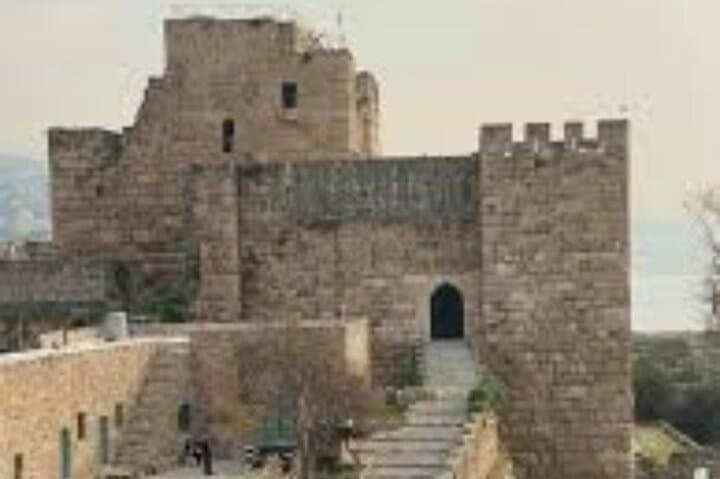
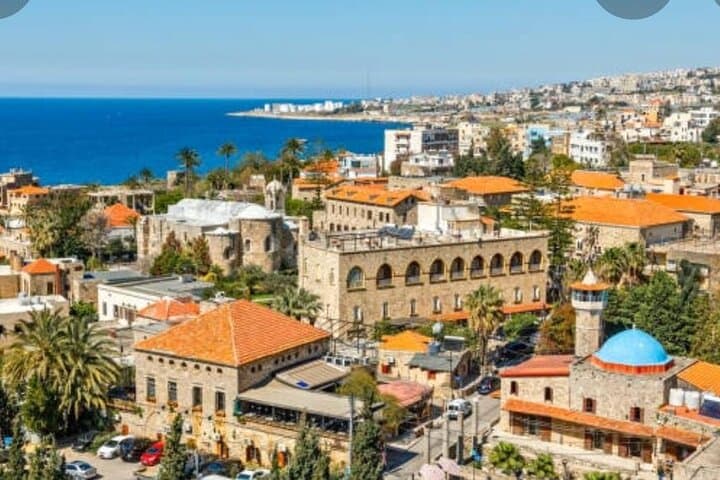
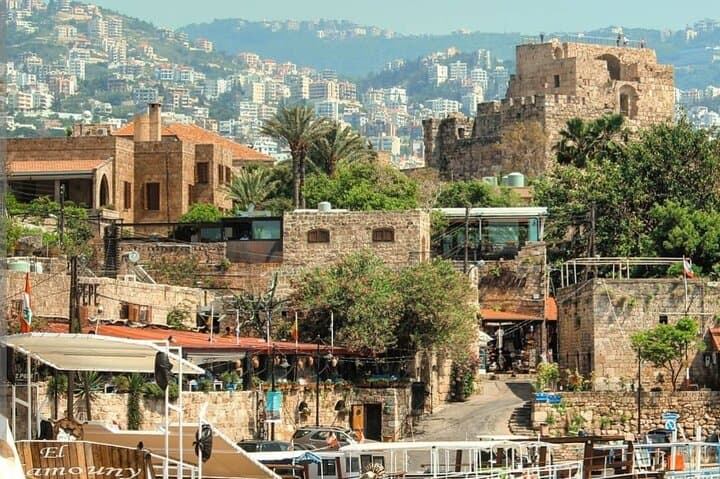
Jeitta is a two-level karst cave system carved over millions of years, its lower gallery accessible by a quiet electric boat beneath dripping stalactites. Byblos, one of the world’s oldest continuously inhabited ports, offers exposed ruins: Phoenician foundations, a Crusader castle and a working old souk that still sells sea-salted fish and handwoven baskets. Harissa’s teleferique crosses a steep gorge to the bronze statue of Our Lady of Lebanon, a 19th‑century focal point for Maronite pilgrimage and panoramic views of the Bay of Jounieh.
Expect a mix of short walks, staircases and paved paths; the grotto interiors are damp and cool, coastal sites sunny and exposed. Local guides explain archaeological layers at Byblos and the geology of the grotto, while drivers manage the winding coastal roads.
Practicalities: wear sturdy walking shoes with good traction, bring a light jacket for the cave and clear sunscreen for Harissa and Byblos. Travel time from Beirut is under an hour to Jeita, longer depending on traffic; the full loop takes roughly a day with seated transportation included. Book tickets in advance for peak season and confirm teleferique operations on windy days.
moderate.
6–8 hours.
Suitable for most visitors who can manage short walks, stairs and standing during the grotto boat ride
Yes; the tour notes it’s stroller accessible and offers infant seats, but watch stairs in historic sites and the grotto.
Admission is listed as not applicable in the itinerary—confirm with the operator whether ticket costs are included at booking.
Photography is generally allowed but watch reflections and use a steady hand or higher ISO; avoid flash when instructed to protect formations.
Expect several short walks and stair sections at each stop; the grotto has a seated boat portion and paved access paths, but terrain ranges from even promenades to uneven archaeological stones.
Byblos is one of the world’s oldest continuously inhabited cities with Phoenician, Roman and Crusader layers; Jeitta’s caves formed in a limestone karst system over millions of years and Harissa’s shrine dates to 19th‑century Maronite devotion.
Cave formations are fragile—avoid touching speleothems and stay on paths; support local guides who practice low‑impact tourism to help preserve coastal and archaeological sites.
Lebanon Tours Online By Fadi Eid operates guided outdoor trips and adventures with an emphasis on safety, stewardship, and memorable experiences.

You step out of an air-conditioned minivan and the coastal air hits first—salted, warm, threaded with diesel and citrus. A short drive up from Beirut opens to a landscape of limestone ridges and terraced groves; you move from seaside byblos lanes to the cool, echoing vaults of Jeitta Grotto before the cable car ride to Harissa's hilltop shrine.
You step out of an air-conditioned minivan and the coastal air hits first—salted, warm, threaded with diesel and citrus. A short drive up from Beirut opens to a landscape of limestone ridges and terraced groves; you move from seaside byblos lanes to the cool, echoing vaults of Jeitta Grotto before the cable car ride to Harissa's hilltop shrine.
Jeitta is a two-level karst cave system carved over millions of years, its lower gallery accessible by a quiet electric boat beneath dripping stalactites. Byblos, one of the world’s oldest continuously inhabited ports, offers exposed ruins: Phoenician foundations, a Crusader castle and a working old souk that still sells sea-salted fish and handwoven baskets. Harissa’s teleferique crosses a steep gorge to the bronze statue of Our Lady of Lebanon, a 19th‑century focal point for Maronite pilgrimage and panoramic views of the Bay of Jounieh.
Expect a mix of short walks, staircases and paved paths; the grotto interiors are damp and cool, coastal sites sunny and exposed. Local guides explain archaeological layers at Byblos and the geology of the grotto, while drivers manage the winding coastal roads.
Practicalities: wear sturdy walking shoes with good traction, bring a light jacket for the cave and clear sunscreen for Harissa and Byblos. Travel time from Beirut is under an hour to Jeita, longer depending on traffic; the full loop takes roughly a day with seated transportation included. Book tickets in advance for peak season and confirm teleferique operations on windy days.