THE ADVENTURE COLLECTIVE® · Independent discovery and booking for outdoor travel

Visit Jeita Grotto’s cool caverns, ride the Harissa cable car for sweeping bay views, and wander Byblos’s ancient port in a private full‑day from Beirut. This practical guide explains what to expect and how to prepare for the day.
Visit Jeita Grotto’s cool caverns, ride the Harissa cable car for sweeping bay views, and wander Byblos’s ancient port in a private full‑day from Beirut. This practical guide explains what to expect and how to prepare for the day.
You step out of an air‑conditioned van and the valley air is cooler—limestone cliffs rise, and a cable car hums above Jounieh Bay. The first stop, Jeita Grotto, opens like a cool chamber of time: narrow passages give way to vast caverns where calcite curtains and stalactites hang in slow formation, and a dark river waits for a brief boat glide through the lower gallery.
Verified experiences and guided adventures in the surrounding area.
Operated by DAVE LEBANON DMC · Jeita, Keserwan-Jbeil Governorate
You step out of an air‑conditioned van and the valley air is cooler—limestone cliffs rise, and a cable car hums above Jounieh Bay. The first stop, Jeita Grotto, opens like a cool chamber of time: narrow passages give way to vast caverns where calcite curtains and stalactites hang in slow formation, and a dark river waits for a brief boat glide through the lower gallery.
Geology here is obvious: karst limestone sculpted over hundreds of thousands of years, with underground rivers carving caverns that earned Jeita a spot among natural-wonder finalists. A short drive brings you to Harissa, where the Our Lady of Lebanon statue watches the Mediterranean from the Jounieh Mountain ridge—an easy cable car lift offers sweeping coastal panoramas tied to modern pilgrimage and local devotion.
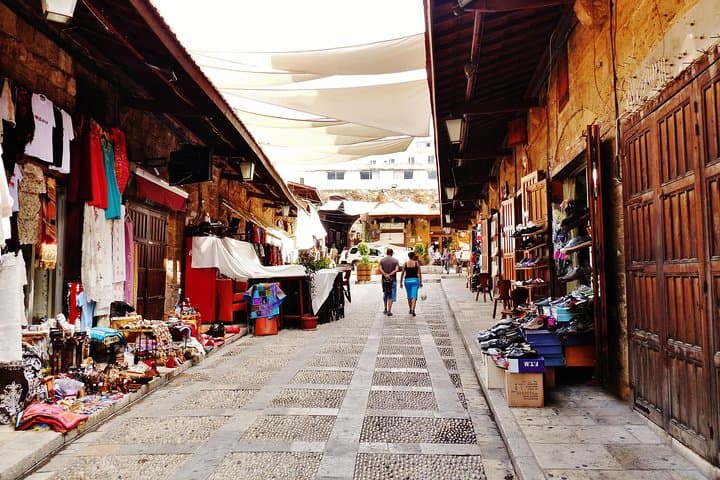
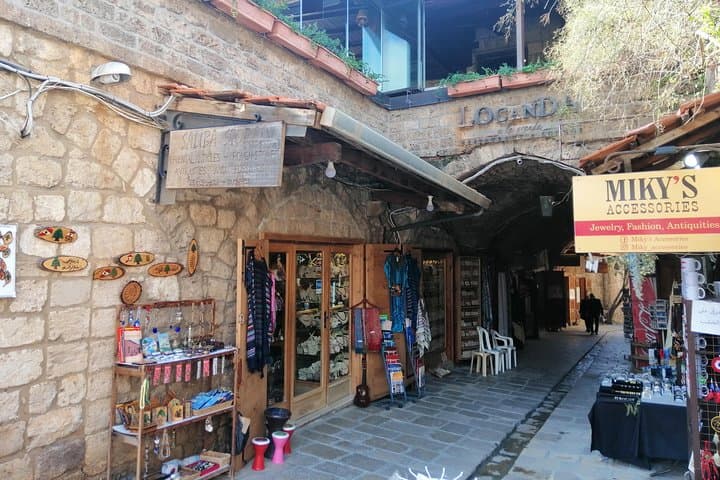
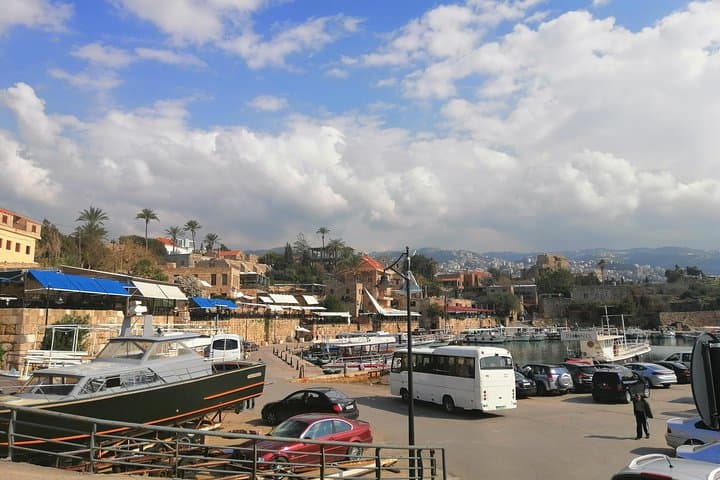
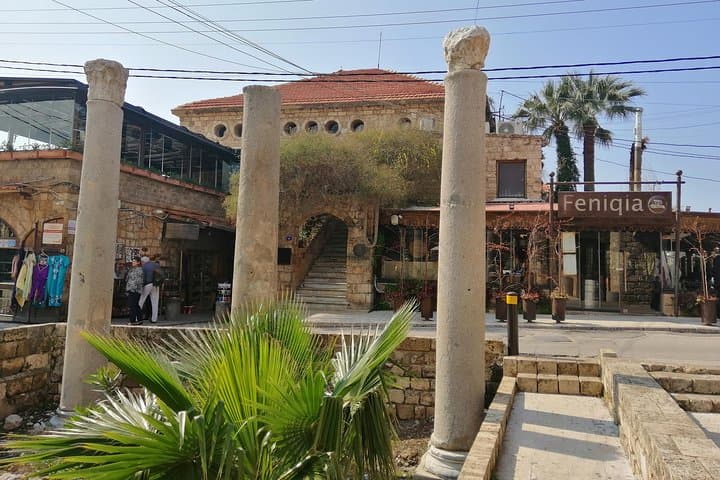
Byblos (Jbeil) closes the loop: one of the oldest continuously inhabited ports on the Mediterranean, its Phoenician ruins, Crusader castle and narrow souks trace layers of seafaring commerce and the birth of alphabetic writing.
Practical guidance: this private full‑day runs about 6–8 hours from Beirut, with short walks, a grotto train/boat segment and time for lunch in Byblos. Expect cool, damp conditions inside Jeita and sun-exposed overlooks at Harissa and Byblos. Bring sturdy walking shoes, a light jacket for the grotto, water and modest clothing for shrine visits. Aim for a morning start to avoid peak crowds and to catch lower light in the caves. Local guides provide historical context and handle logistics—use them to time the cable car and get the best view corridors for photos.
easy.
6–8 hours.
Suitable for most fitness levels; expect short uphill sections and several stairways at historic sites.
The private full‑day lasts about 6–8 hours from Beirut and typically includes hotel pickup/drop‑off, guide, transport and grotto admissions depending on your booking.
Jeita has walkways and a short tourist train; some areas require stairs and uneven surfaces—check accessibility ahead and inquire about alternative routing for limited mobility.
The Harissa cable car runs in normal conditions but may close in high winds; alternatives include driving up the mountain road if necessary.
Yes—most itineraries allocate lunch or café time in Byblos’s old town and port; inform your guide about dietary needs or preferred timing.
Byblos is an ancient Phoenician port central to early alphabetic writing; Harissa developed as a Marian pilgrimage site in the 19th–20th centuries while Jeita records long geological evolution of Lebanon’s karst landscape.
Jeita’s cave system is sensitive to pollution and visitor numbers—stick to paths, avoid touching formations, and use local guides to minimize impact.
DAVE LEBANON DMC operates guided outdoor trips and adventures with an emphasis on safety, stewardship, and memorable experiences.
You step out of an air‑conditioned van and the valley air is cooler—limestone cliffs rise, and a cable car hums above Jounieh Bay. The first stop, Jeita Grotto, opens like a cool chamber of time: narrow passages give way to vast caverns where calcite curtains and stalactites hang in slow formation, and a dark river waits for a brief boat glide through the lower gallery.
You step out of an air‑conditioned van and the valley air is cooler—limestone cliffs rise, and a cable car hums above Jounieh Bay. The first stop, Jeita Grotto, opens like a cool chamber of time: narrow passages give way to vast caverns where calcite curtains and stalactites hang in slow formation, and a dark river waits for a brief boat glide through the lower gallery.
Geology here is obvious: karst limestone sculpted over hundreds of thousands of years, with underground rivers carving caverns that earned Jeita a spot among natural-wonder finalists. A short drive brings you to Harissa, where the Our Lady of Lebanon statue watches the Mediterranean from the Jounieh Mountain ridge—an easy cable car lift offers sweeping coastal panoramas tied to modern pilgrimage and local devotion.
Byblos (Jbeil) closes the loop: one of the oldest continuously inhabited ports on the Mediterranean, its Phoenician ruins, Crusader castle and narrow souks trace layers of seafaring commerce and the birth of alphabetic writing.
Practical guidance: this private full‑day runs about 6–8 hours from Beirut, with short walks, a grotto train/boat segment and time for lunch in Byblos. Expect cool, damp conditions inside Jeita and sun-exposed overlooks at Harissa and Byblos. Bring sturdy walking shoes, a light jacket for the grotto, water and modest clothing for shrine visits. Aim for a morning start to avoid peak crowds and to catch lower light in the caves. Local guides provide historical context and handle logistics—use them to time the cable car and get the best view corridors for photos.