THE ADVENTURE COLLECTIVE® · Independent discovery and booking for outdoor travel

Explore Jeita Grotto’s cathedral-like caverns, roar up mountain trails on ATVs past Faqra’s Roman remains, and ride the Harissa cable car to Jounieh—all in a five-hour circuit. This full-day tour pairs geological wonder with off-road adventure and coastal views.
Explore Jeita Grotto’s cathedral-like caverns, roar up mountain trails on ATVs past Faqra’s Roman remains, and ride the Harissa cable car to Jounieh—all in a five-hour circuit. This full-day tour pairs geological wonder with off-road adventure and coastal views.
You begin the day at the cool mouth of Jeita Grotto, where a slow river has carved chambers large enough to hold a city. Stalactites hang like frozen icicles and mineral curtains shimmer when light brushes them; the cave breathes with an age measured in millennia.
Verified experiences and guided adventures in the surrounding area.
Operated by Al Awael Travel & Tourism · Jeita, Mount Lebanon Governorate
You begin the day at the cool mouth of Jeita Grotto, where a slow river has carved chambers large enough to hold a city. Stalactites hang like frozen icicles and mineral curtains shimmer when light brushes them; the cave breathes with an age measured in millennia.
Jeita’s limestone galleries, discovered by European explorers in the 19th century, drain to the Nahr el Kalb and illustrate Lebanon’s karst geology—water chiseling rock into vaulted halls. From the grotto the route climbs: quads kick up dust on terraced tracks, pushing toward cedar-smattered ridgelines and wide views of the Mediterranean. Along the way you pass the Faqra Roman ruins and their natural bridge, a reminder of Roman engineering and rural life on these slopes.
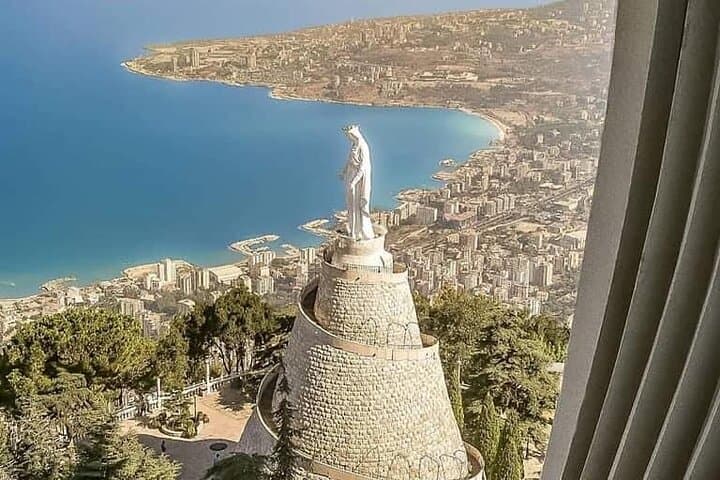
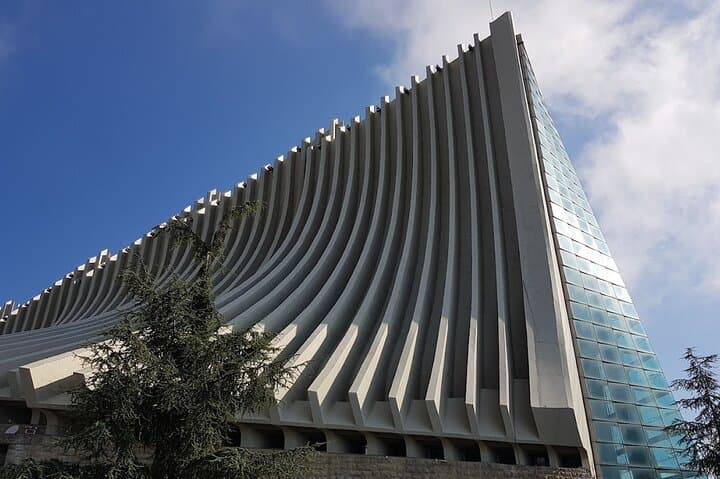
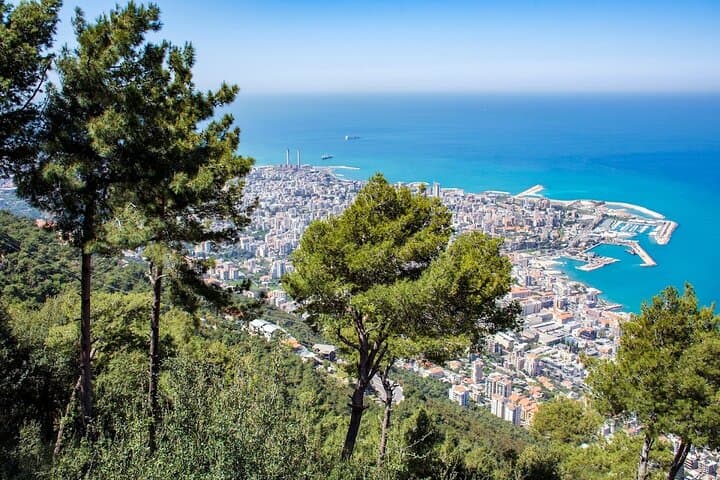
Harissa introduces a different rhythm: pilgrimage and panoramas. The statue of the Virgin Mary overlooks the bay and the cable car to Jounieh drops you down over orchards and town roofs—an aerial punctuation to a day of ground-level exploration.
Practical guidance: the tour moves between easy walking and short bursts of motorized effort; expect uneven surfaces in the grotto and loose gravel on ATV tracks. Bring closed-toe shoes, sun protection, and a small daypack; hydration and a light jacket matter as temperatures change from cave cool to exposed ridge wind. Respect marked paths in the caverns and follow your guide on the ATVs—these landscapes are fragile, and small choices keep them that way.
moderate.
5 hours.
Suitable for light-to-moderate fitness: steady on uneven ground, able to mount/ride an ATV for short periods.
The tour is approximately five hours: about 1–2 hours at Jeita Grotto, roughly an hour for the ATV segment with viewpoints and ruins, and time in Harissa including the cable car transfer.
No formal experience is required, but basic comfort handling a quad on uneven surfaces helps; guides provide instruction and safety gear.
Jeita has stepped and uneven paths; parts of the cave require walking on wet surfaces, so it’s not ideal for travelers with significant mobility restrictions.
Yes—admission to Jeita and lunch are included, and bottled water is provided; the cable car fare is typically covered as part of the tour.
Jeita has been known to locals for centuries and was recorded by Western explorers in the 1830s; Harissa has been a major Marian pilgrimage site since the early 20th century.
Cave environments are vulnerable to pollution and foot traffic—stay on walkways, avoid touching formations, and adhere to ATV route rules to limit erosion.
Al Awael Travel & Tourism operates guided outdoor trips and adventures with an emphasis on safety, stewardship, and memorable experiences.
You begin the day at the cool mouth of Jeita Grotto, where a slow river has carved chambers large enough to hold a city. Stalactites hang like frozen icicles and mineral curtains shimmer when light brushes them; the cave breathes with an age measured in millennia.
You begin the day at the cool mouth of Jeita Grotto, where a slow river has carved chambers large enough to hold a city. Stalactites hang like frozen icicles and mineral curtains shimmer when light brushes them; the cave breathes with an age measured in millennia.
Jeita’s limestone galleries, discovered by European explorers in the 19th century, drain to the Nahr el Kalb and illustrate Lebanon’s karst geology—water chiseling rock into vaulted halls. From the grotto the route climbs: quads kick up dust on terraced tracks, pushing toward cedar-smattered ridgelines and wide views of the Mediterranean. Along the way you pass the Faqra Roman ruins and their natural bridge, a reminder of Roman engineering and rural life on these slopes.
Harissa introduces a different rhythm: pilgrimage and panoramas. The statue of the Virgin Mary overlooks the bay and the cable car to Jounieh drops you down over orchards and town roofs—an aerial punctuation to a day of ground-level exploration.
Practical guidance: the tour moves between easy walking and short bursts of motorized effort; expect uneven surfaces in the grotto and loose gravel on ATV tracks. Bring closed-toe shoes, sun protection, and a small daypack; hydration and a light jacket matter as temperatures change from cave cool to exposed ridge wind. Respect marked paths in the caverns and follow your guide on the ATVs—these landscapes are fragile, and small choices keep them that way.