THE ADVENTURE COLLECTIVE® · Independent discovery and booking for outdoor travel

Spend a full day from Beirut exploring Jeita Grotto’s limestone halls, the hilltop shrine of Harissa by cable car, and the ancient port city of Byblos. This small-group tour blends dramatic geology with centuries of coastal history—and includes lunch and transport.
Spend a full day from Beirut exploring Jeita Grotto’s limestone halls, the hilltop shrine of Harissa by cable car, and the ancient port city of Byblos. This small-group tour blends dramatic geology with centuries of coastal history—and includes lunch and transport.
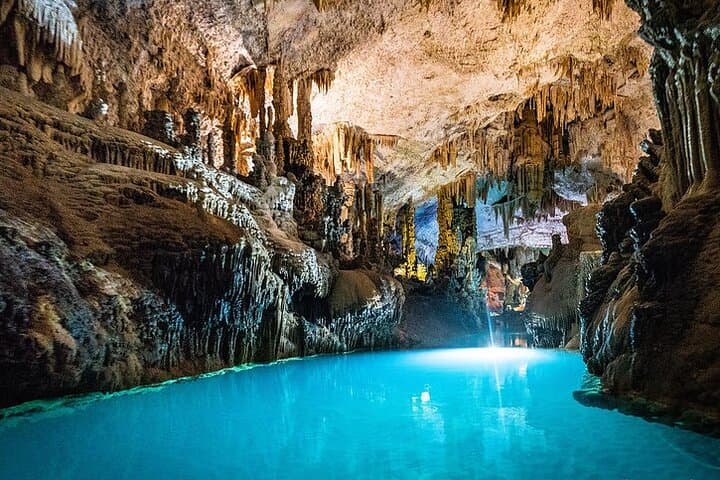
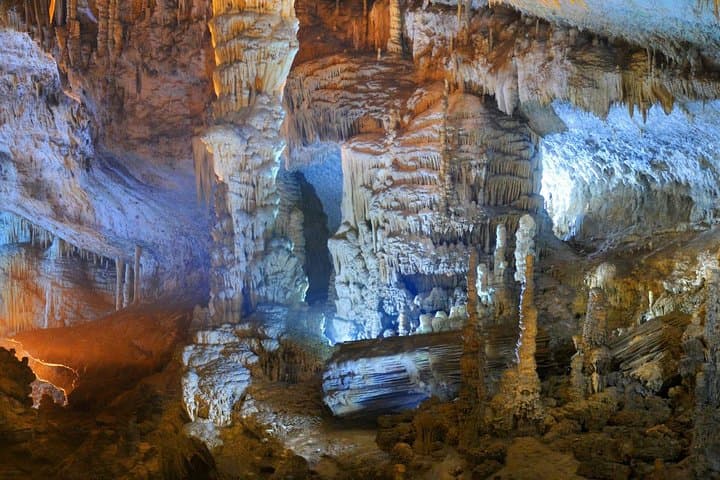
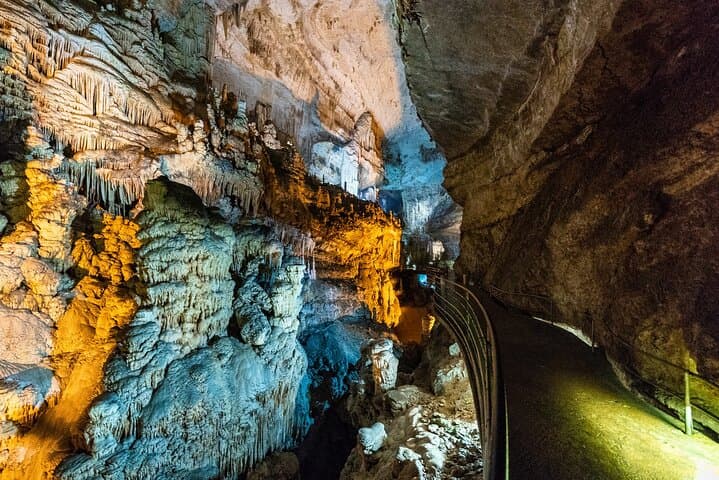
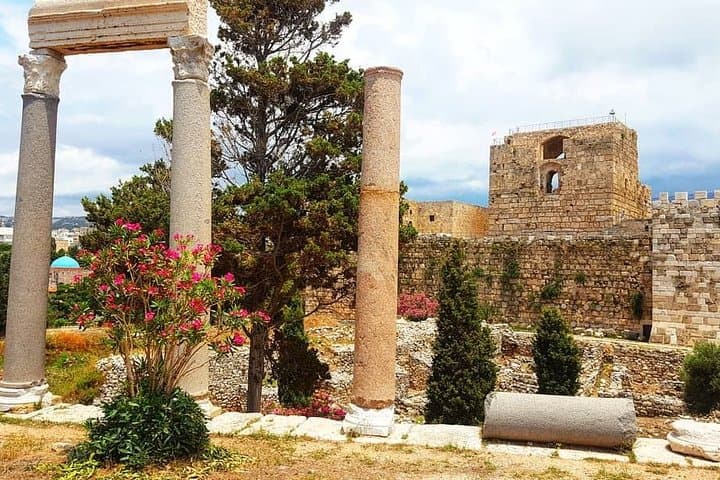
Morning light slides along the Mediterranean as your minivan peels away from Beirut and climbs toward Jeita: cool cave air waiting like an invitation. The grotto’s echoing chambers reveal scalloped stalactites and still pools that catch the flashlight gleam; later, the Téléphérique up to Harissa lifts you above cedar-clad slopes to a shrine that faces the open sea. By dusk, Byblos’s stone alleys give way to a harbor where fishing boats bob beneath Crusader walls.
Verified experiences and guided adventures in the surrounding area.
Operated by Beirut Daily Tours · Jeita, Mount Lebanon Governorate
Morning light slides along the Mediterranean as your minivan peels away from Beirut and climbs toward Jeita: cool cave air waiting like an invitation. The grotto’s echoing chambers reveal scalloped stalactites and still pools that catch the flashlight gleam; later, the Téléphérique up to Harissa lifts you above cedar-clad slopes to a shrine that faces the open sea. By dusk, Byblos’s stone alleys give way to a harbor where fishing boats bob beneath Crusader walls.
Geology and history arrive hand in hand here. Jeita is a karst cave system carved into Miocene limestone—upper galleries accessible by foot, lower galleries by boat—where calcium carbonate has formed curtains, columns and flowstone over hundreds of thousands of years. Harissa’s Our Lady of Lebanon is a 19th-century pilgrimage site with sweeping coastal views; Byblos (Jbeil) dates to at least 5,000 BCE and was a major Phoenician port, later reshaped by Crusaders, Ottomans and modern Lebanon.
Practical guidance: this is a full-day, small-group circuit (about 9 hours) with moderate walking, stairs inside the grotto and short climbs at Harissa; lunch is included. Wear sturdy, closed shoes for wet cave floors and uneven souk pavement; pack sunscreen, a light jacket for cave coolness, and a refillable water bottle. Expect guided commentary, photo stops at the cable car and waterfront, and a relaxed pace with time to explore Byblos Castle and the old souk. Bookings usually include entrance and transport; confirm pickup details and carry ID. Move slowly through fragile cave areas, follow the guide, and leave no trace—these sites rely on responsible visitation to remain open for future travelers.
easy.
9 hours (full-day).
Light fitness required—comfortable walking and stair-climbing; suitable for most adults and families.
The tour is a full-day experience of about 9 hours; transport, guided visits, cable car at Harissa and lunch are included—confirm specifics when booking.
The grotto involves stairs and slippery areas; those with limited mobility should consult the operator—some sections are not wheelchair accessible.
Yes—the itinerary allows time to walk the old souk and harbor and visit Byblos Castle, though museum access may be limited by group timing.
Most small-group tours include entrance and cable car tickets, but confirm with the operator; carry ID for checkpoints and payments.
Byblos (Jbeil) is among the world’s oldest continuously inhabited cities and was a major Phoenician port; the Crusader castle and Roman remains layer over millennia of trade and faith.
The grotto’s fragile formations require visitors to stay on paths and avoid touching speleothems; support local guides and follow site rules to minimize impact.
Beirut Daily Tours operates guided outdoor trips and adventures with an emphasis on safety, stewardship, and memorable experiences.
Morning light slides along the Mediterranean as your minivan peels away from Beirut and climbs toward Jeita: cool cave air waiting like an invitation. The grotto’s echoing chambers reveal scalloped stalactites and still pools that catch the flashlight gleam; later, the Téléphérique up to Harissa lifts you above cedar-clad slopes to a shrine that faces the open sea. By dusk, Byblos’s stone alleys give way to a harbor where fishing boats bob beneath Crusader walls.
Morning light slides along the Mediterranean as your minivan peels away from Beirut and climbs toward Jeita: cool cave air waiting like an invitation. The grotto’s echoing chambers reveal scalloped stalactites and still pools that catch the flashlight gleam; later, the Téléphérique up to Harissa lifts you above cedar-clad slopes to a shrine that faces the open sea. By dusk, Byblos’s stone alleys give way to a harbor where fishing boats bob beneath Crusader walls.
Geology and history arrive hand in hand here. Jeita is a karst cave system carved into Miocene limestone—upper galleries accessible by foot, lower galleries by boat—where calcium carbonate has formed curtains, columns and flowstone over hundreds of thousands of years. Harissa’s Our Lady of Lebanon is a 19th-century pilgrimage site with sweeping coastal views; Byblos (Jbeil) dates to at least 5,000 BCE and was a major Phoenician port, later reshaped by Crusaders, Ottomans and modern Lebanon.
Practical guidance: this is a full-day, small-group circuit (about 9 hours) with moderate walking, stairs inside the grotto and short climbs at Harissa; lunch is included. Wear sturdy, closed shoes for wet cave floors and uneven souk pavement; pack sunscreen, a light jacket for cave coolness, and a refillable water bottle. Expect guided commentary, photo stops at the cable car and waterfront, and a relaxed pace with time to explore Byblos Castle and the old souk. Bookings usually include entrance and transport; confirm pickup details and carry ID. Move slowly through fragile cave areas, follow the guide, and leave no trace—these sites rely on responsible visitation to remain open for future travelers.