THE ADVENTURE COLLECTIVE® · Independent discovery and booking for outdoor travel

A single day that pairs subterranean wonder with coastal panoramas: visit the dripping caverns of Jeita, ride the Harissa cable car above Jounieh Bay, and wander the fortified harbor of Byblos. This private tour combines geology, faith sites and Phoenician history with door‑to‑door transport.
A single day that pairs subterranean wonder with coastal panoramas: visit the dripping caverns of Jeita, ride the Harissa cable car above Jounieh Bay, and wander the fortified harbor of Byblos. This private tour combines geology, faith sites and Phoenician history with door‑to‑door transport.
Light filters into a cool limestone throat as the guide leads the group toward a narrow opening—this is Jeita Grotto, where dripping stone has carved cathedrals and columns over millennia. Nearby, the cable car climbs the pine-lined slope to Harissa and the bronze figure of Our Lady of Lebanon, and the day finishes strolling the layered streets and ancient harbor of Byblos.
Verified experiences and guided adventures in the surrounding area.
Operated by Walking Beirut · Jeita, Keserwan
Light filters into a cool limestone throat as the guide leads the group toward a narrow opening—this is Jeita Grotto, where dripping stone has carved cathedrals and columns over millennia. Nearby, the cable car climbs the pine-lined slope to Harissa and the bronze figure of Our Lady of Lebanon, and the day finishes strolling the layered streets and ancient harbor of Byblos.
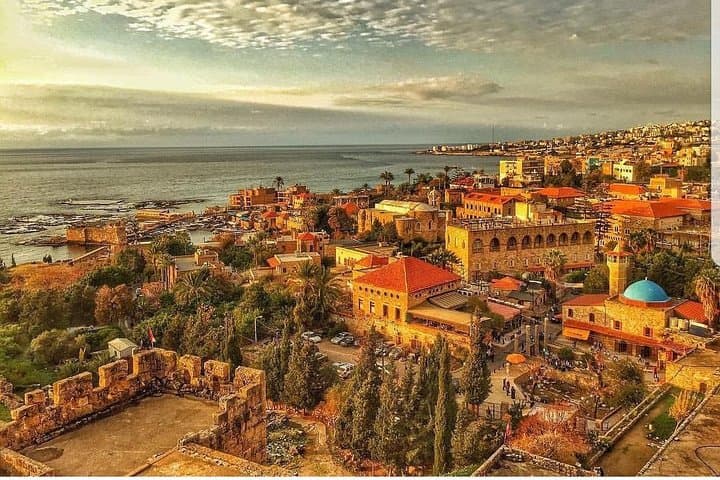
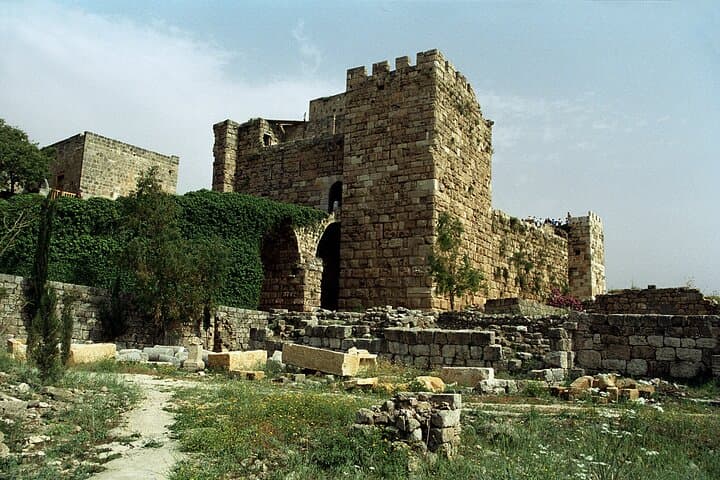
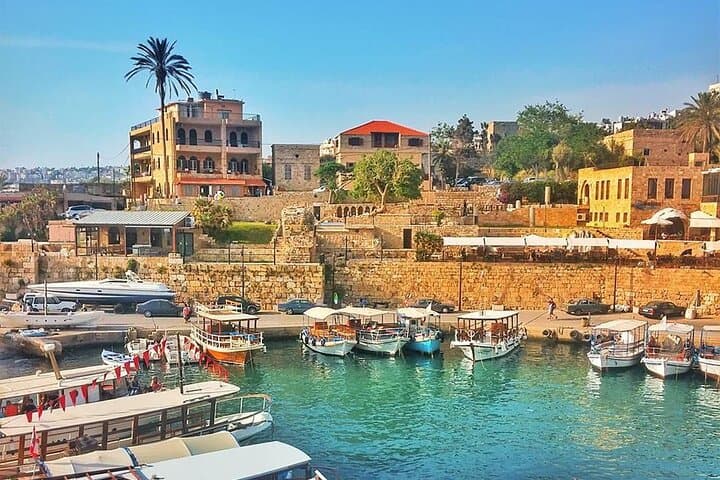
Jeita is a karst system formed in Devonian limestone; its mapped passages total some 7,800 m, though visitors explore the dramatic upper galleries and the lower, 400 m boated stretch. Harissa’s shrine (erected 1908) occupies a ridge above Jounieh Bay and has been a shared pilgrimage and lookout for generations. Byblos (Jbeil) is one of the world’s oldest continuously inhabited ports—its Crusader castle (12th century) and Phoenician harbor trace centuries of maritime trade and cultural exchange.
On a practical level expect a full, eight‑hour day with hotel pickup, private transport and an English-speaking guide. The grotto requires short walks, some stairs, and a calm 5–10 minute boat ride; the cable car adds a brief uphill element and panoramic viewpoints. Bring sturdy shoes, a light jacket for the cave’s coolness, sun protection for Harissa and Byblos, and a camera with spare battery.
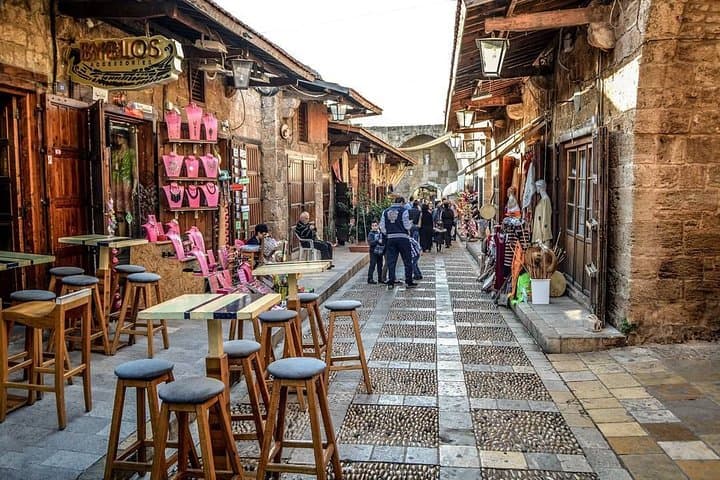
Timing matters: mornings are quieter in the cavern; late afternoon suits Byblos’ souks and waterfront cafés. Respect signage in the cave—do not touch formations—and plan for modest walking ability rather than technical hiking. The route blends geology, coastal panoramas and layered history for a compact, accessible Lebanese day trip.
easy.
8 hours.
Suitable for most fitness levels; involves walking on uneven ground, short stairs and a brief boat ride.
Not always—this tour’s itinerary shows admissions and the grotto boat as often separate; confirm with the operator which fees are covered when you book.
Yes—operators list infant seats available and the itinerary is family-friendly, though children should be supervised in the cave and near water.
Expect short walks and stairs at each site plus a brief boat ride in the lower grotto; overall exertion is light and manageable for most people.
This private tour typically offers hotel pickup and drop-off in Beirut using an air‑conditioned vehicle.
Byblos (Jbeil) is an ancient Phoenician port with continuous habitation for millennia; the Crusader castle dates to the 12th century and Harissa’s shrine dates to 1908.
Jeita Grotto is a protected karst system—stay on marked paths and avoid touching formations; reduce single‑use plastics when visiting coastal and archaeological sites.
Walking Beirut operates guided outdoor trips and adventures with an emphasis on safety, stewardship, and memorable experiences.
Light filters into a cool limestone throat as the guide leads the group toward a narrow opening—this is Jeita Grotto, where dripping stone has carved cathedrals and columns over millennia. Nearby, the cable car climbs the pine-lined slope to Harissa and the bronze figure of Our Lady of Lebanon, and the day finishes strolling the layered streets and ancient harbor of Byblos.
Light filters into a cool limestone throat as the guide leads the group toward a narrow opening—this is Jeita Grotto, where dripping stone has carved cathedrals and columns over millennia. Nearby, the cable car climbs the pine-lined slope to Harissa and the bronze figure of Our Lady of Lebanon, and the day finishes strolling the layered streets and ancient harbor of Byblos.
Jeita is a karst system formed in Devonian limestone; its mapped passages total some 7,800 m, though visitors explore the dramatic upper galleries and the lower, 400 m boated stretch. Harissa’s shrine (erected 1908) occupies a ridge above Jounieh Bay and has been a shared pilgrimage and lookout for generations. Byblos (Jbeil) is one of the world’s oldest continuously inhabited ports—its Crusader castle (12th century) and Phoenician harbor trace centuries of maritime trade and cultural exchange.
On a practical level expect a full, eight‑hour day with hotel pickup, private transport and an English-speaking guide. The grotto requires short walks, some stairs, and a calm 5–10 minute boat ride; the cable car adds a brief uphill element and panoramic viewpoints. Bring sturdy shoes, a light jacket for the cave’s coolness, sun protection for Harissa and Byblos, and a camera with spare battery.
Timing matters: mornings are quieter in the cavern; late afternoon suits Byblos’ souks and waterfront cafés. Respect signage in the cave—do not touch formations—and plan for modest walking ability rather than technical hiking. The route blends geology, coastal panoramas and layered history for a compact, accessible Lebanese day trip.