THE ADVENTURE COLLECTIVE® · Independent discovery and booking for outdoor travel

Explore subterranean caverns, a mountaintop shrine reached by cable car and one of the world’s oldest ports in a single private day trip from Beirut. Expect cool caves, sweeping coastal views and centuries of history packed into a 9–10 hour itinerary.
Explore subterranean caverns, a mountaintop shrine reached by cable car and one of the world’s oldest ports in a single private day trip from Beirut. Expect cool caves, sweeping coastal views and centuries of history packed into a 9–10 hour itinerary.
Morning air off the Mediterranean sticks to your jacket as the van threads the coastal road north from Beirut. Within an hour the landscape shifts—olive terraces give way to limestone cliffs—and you step into Jeita Grotto's cool mouth where stone has been working for millennia. Stalactites drip like slow metronomes; the lower cave's mirrored boat ride nudges you through a quiet world of mineral glass.
Verified experiences and guided adventures in the surrounding area.
Operated by Celine · Beirut, Beirut
Morning air off the Mediterranean sticks to your jacket as the van threads the coastal road north from Beirut. Within an hour the landscape shifts—olive terraces give way to limestone cliffs—and you step into Jeita Grotto's cool mouth where stone has been working for millennia. Stalactites drip like slow metronomes; the lower cave's mirrored boat ride nudges you through a quiet world of mineral glass.
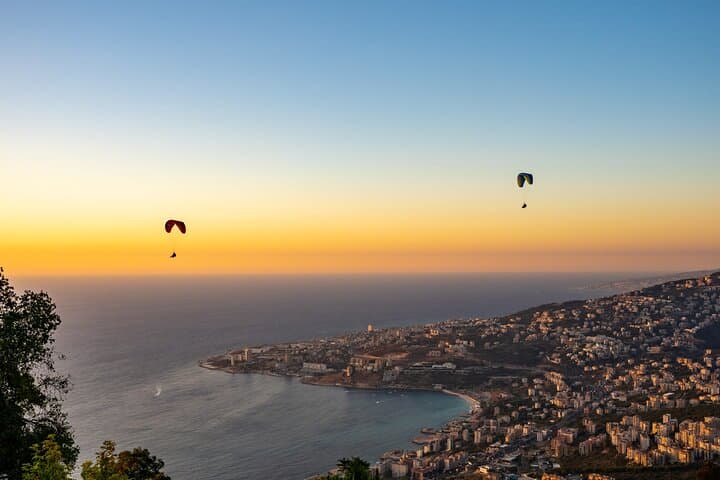
From under the earth to above it, the Telefrique to Harissa pulls you up through pine-scented slopes. The Lady of Lebanon raises her arms above the bay, watching fishing boats stitch light across the water. Harissa’s terraces and viewpoints offer a clear read of Lebanon’s layered history: Ottoman roads, French-era chapels and coastal villages built on Phoenician trade routes.
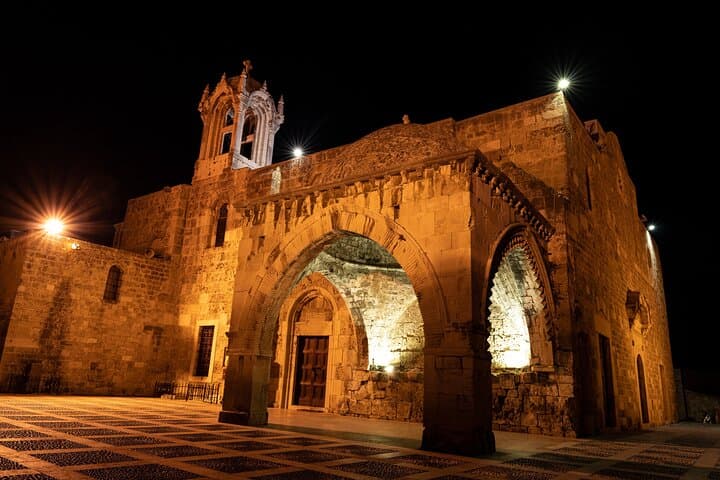
Byblos (Jbeil) folds history into everyday life. The Crusader citadel perches over a working harbor; narrow alleys in the Old Souk still echo merchant calls. The Wax Museum and small churches give texture to a town continuously inhabited since antiquity.
Practical side: this private full-day loop runs 9–10 hours with multiple short walks, stairs and cobbled streets—expect a mix of cool cave air and hot seaside sun. Wear grippy shoes, bring water and modest clothing for religious sites. Admissions are often paid on site, and the Telefrique can have queues during peak season. Pace your day: mornings are best for Jeita to avoid crowds; late afternoon in Byblos is ideal for light and calmer streets. Respect cave rules—no touching formations—and support local cafés and artisans to keep these places viable.
moderate.
9–10 hours.
Moderate—able to manage several short walks, staircases and standing during guided segments.
Most bookings do not include attraction admissions or the Telefrique fare—these are typically paid on site, so carry cash or a card.
Yes—infant seats are available in vehicles, but the itinerary involves stairs and boats; parents should assess mobility and comfort levels for young children.
This is a private-car tour and commonly offers pickup—provide your pickup point when booking and request any reasonable itinerary adjustments.
The grotto and some historic sites have steps and uneven surfaces; not recommended for travelers with significant spinal, mobility, or cardiovascular issues.
Byblos (Jbeil) is one of the world’s oldest continuously inhabited towns with Phoenician, Roman and Crusader layers visible in its harbor and citadel. Jeita Grotto has been a major show cave since the 19th century and is central to Lebanon’s natural heritage.
Jeita is a protected karst system—avoid touching formations and follow designated paths. Supporting local guides and vendors helps preserve both cultural sites and community livelihoods.
Celine operates guided outdoor trips and adventures with an emphasis on safety, stewardship, and memorable experiences.
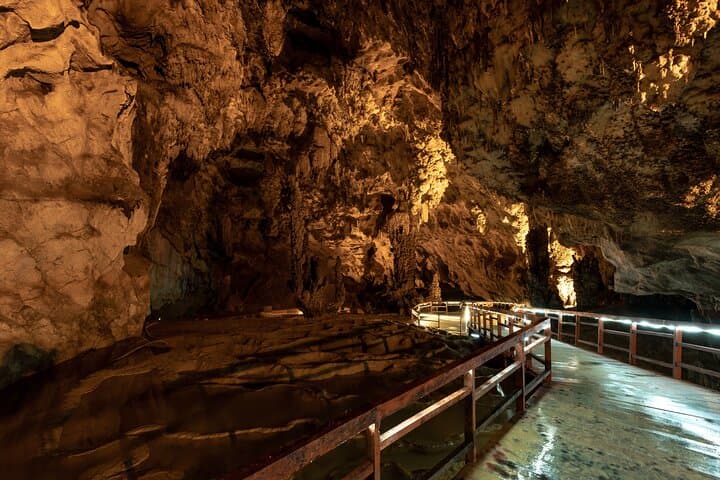
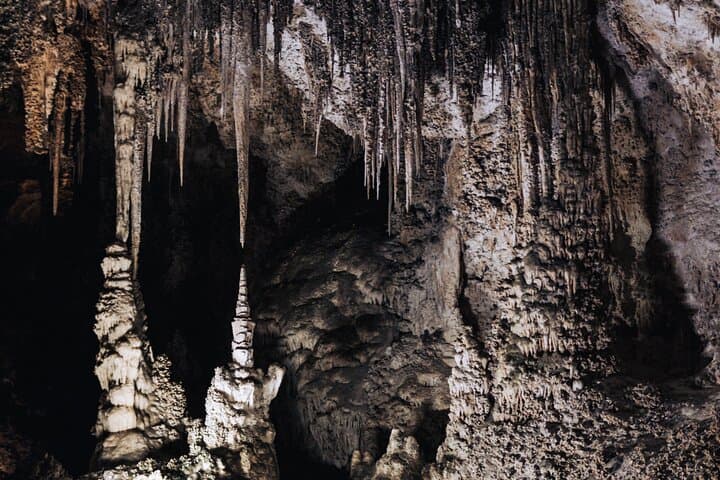
Morning air off the Mediterranean sticks to your jacket as the van threads the coastal road north from Beirut. Within an hour the landscape shifts—olive terraces give way to limestone cliffs—and you step into Jeita Grotto's cool mouth where stone has been working for millennia. Stalactites drip like slow metronomes; the lower cave's mirrored boat ride nudges you through a quiet world of mineral glass.
Morning air off the Mediterranean sticks to your jacket as the van threads the coastal road north from Beirut. Within an hour the landscape shifts—olive terraces give way to limestone cliffs—and you step into Jeita Grotto's cool mouth where stone has been working for millennia. Stalactites drip like slow metronomes; the lower cave's mirrored boat ride nudges you through a quiet world of mineral glass.
From under the earth to above it, the Telefrique to Harissa pulls you up through pine-scented slopes. The Lady of Lebanon raises her arms above the bay, watching fishing boats stitch light across the water. Harissa’s terraces and viewpoints offer a clear read of Lebanon’s layered history: Ottoman roads, French-era chapels and coastal villages built on Phoenician trade routes.
Byblos (Jbeil) folds history into everyday life. The Crusader citadel perches over a working harbor; narrow alleys in the Old Souk still echo merchant calls. The Wax Museum and small churches give texture to a town continuously inhabited since antiquity.
Practical side: this private full-day loop runs 9–10 hours with multiple short walks, stairs and cobbled streets—expect a mix of cool cave air and hot seaside sun. Wear grippy shoes, bring water and modest clothing for religious sites. Admissions are often paid on site, and the Telefrique can have queues during peak season. Pace your day: mornings are best for Jeita to avoid crowds; late afternoon in Byblos is ideal for light and calmer streets. Respect cave rules—no touching formations—and support local cafés and artisans to keep these places viable.