THE ADVENTURE COLLECTIVE® · Independent discovery and booking for outdoor travel

Spend a full day exploring Jeita Grotto’s limestone caverns, riding the Harissa cable car to the Lady of Lebanon, and wandering the millennia of history in Byblos. This guided tour includes pickup, lunch, and entrance fees for a seamless cultural and geological outing from Beirut.
Spend a full day exploring Jeita Grotto’s limestone caverns, riding the Harissa cable car to the Lady of Lebanon, and wandering the millennia of history in Byblos. This guided tour includes pickup, lunch, and entrance fees for a seamless cultural and geological outing from Beirut.
You step out of an air‑conditioned minivan and the limestone throat of Mount Lebanon seems to inhale and hold its breath — Jeita’s entrance gapes ahead, cool and damp, light filtering off calcite like an underground sea. A short boat ride carries you through the lower cavern while the upper gallery towers above, its stalactites and stalagmites growing at geological patience.
Verified experiences and guided adventures in the surrounding area.
Operated by Private & group tours to Baalbeck temples & Chateau Ksara winery · Jeita, Keserwan
You step out of an air‑conditioned minivan and the limestone throat of Mount Lebanon seems to inhale and hold its breath — Jeita’s entrance gapes ahead, cool and damp, light filtering off calcite like an underground sea. A short boat ride carries you through the lower cavern while the upper gallery towers above, its stalactites and stalagmites growing at geological patience.
This one‑day loop stitches three eras into a single route. Jeita Grotto is a karst cave carved into Jurassic limestone; its chambers and subterranean lake have been a modern national emblem and once competed for the new seven wonders. Harissa’s 8.5‑meter statue of Our Lady of Lebanon sits on a coastal ridge accessible by an airy cable car, giving a cinematic overlook of Jounieh Bay and the Mediterranean. Byblos (Jbeil) folds you back into human antiquity: 8,000 years of continuous occupation, a Crusader castle, and a working old souk along a small harbor where fishermen still mend nets.
Expect accessible but active sightseeing — staircases inside the grotto and a cable‑car ascent, paired with short walks on uneven medieval stone in Byblos. Guides typically include pickup, entrance fees, and a Lebanese lunch; they point out Nahr el‑Kalb inscriptions and local Christian and Phoenician layers of history.
Practical notes: bring sturdy flat shoes for wet cave floors and cobbles, layered clothing for cool caverns versus coastal sun, and a small daypack for water and camera. Plan for a roughly 7‑hour day from Beirut with moderate walking, easy logistics, and high cultural payoff.
easy.
7 hours.
Suitable for most travelers who can manage short walks, stairs and standing for moderate periods.
Yes — the tour advertises hotel pickup and drop‑off in Beirut, normally from central hotels; you’ll confirm a pickup point when booking.
Yes — admission to Jeita, the Harissa cable car, Byblos sites and a Lebanese lunch are included in the price.
Many parts are wheelchair accessible (vehicle transport and some viewpoints), but the grotto and some historic areas have stairs and uneven paths — check specifics with the operator if you require full accessibility.
Expect short guided walks at each site, stair climbs inside Jeita and at Harissa, and cobblestone walking in Byblos; overall activity is low to moderate.
Byblos (Jbeil) is one of the world’s oldest continuously inhabited cities with settlements dating back millennia; Jeita’s grotto formed as acidic water carved limestone over geologic time.
Jeita is managed to protect fragile cave formations — stay on marked paths and avoid touching speleothems; in Byblos and Harissa follow local rules to preserve archaeological fabric and coastal habitats.
Private & group tours to Baalbeck temples & Chateau Ksara winery operates guided outdoor trips and adventures with an emphasis on safety, stewardship, and memorable experiences.
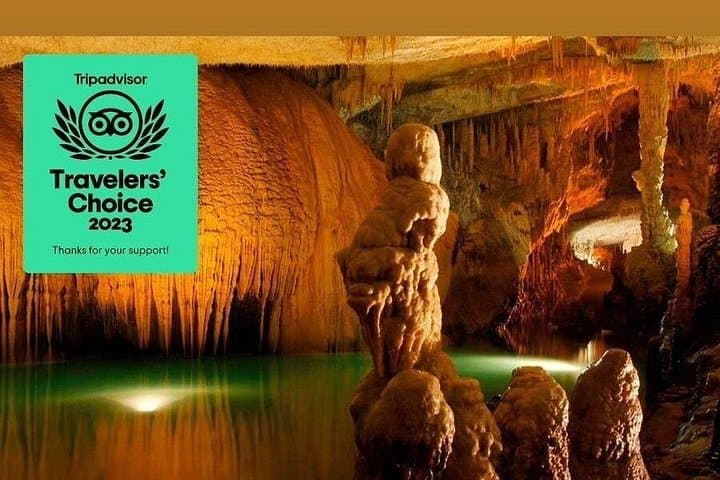
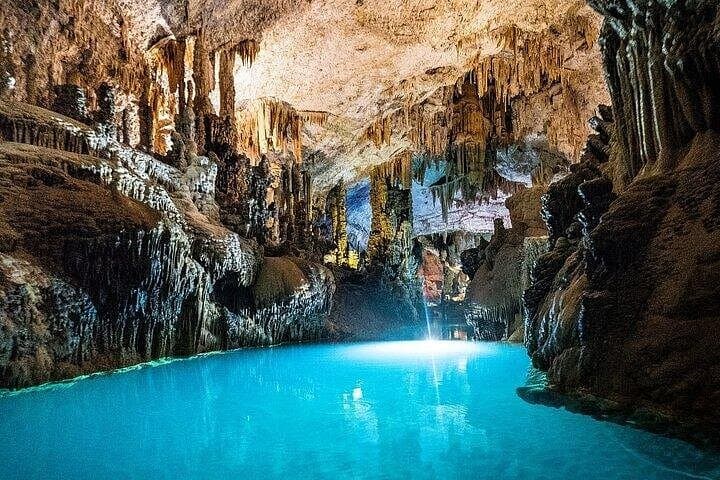
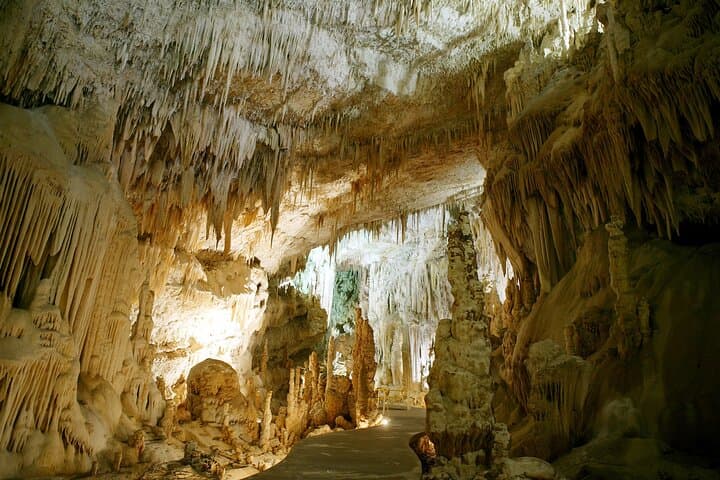
You step out of an air‑conditioned minivan and the limestone throat of Mount Lebanon seems to inhale and hold its breath — Jeita’s entrance gapes ahead, cool and damp, light filtering off calcite like an underground sea. A short boat ride carries you through the lower cavern while the upper gallery towers above, its stalactites and stalagmites growing at geological patience.
You step out of an air‑conditioned minivan and the limestone throat of Mount Lebanon seems to inhale and hold its breath — Jeita’s entrance gapes ahead, cool and damp, light filtering off calcite like an underground sea. A short boat ride carries you through the lower cavern while the upper gallery towers above, its stalactites and stalagmites growing at geological patience.
This one‑day loop stitches three eras into a single route. Jeita Grotto is a karst cave carved into Jurassic limestone; its chambers and subterranean lake have been a modern national emblem and once competed for the new seven wonders. Harissa’s 8.5‑meter statue of Our Lady of Lebanon sits on a coastal ridge accessible by an airy cable car, giving a cinematic overlook of Jounieh Bay and the Mediterranean. Byblos (Jbeil) folds you back into human antiquity: 8,000 years of continuous occupation, a Crusader castle, and a working old souk along a small harbor where fishermen still mend nets.
Expect accessible but active sightseeing — staircases inside the grotto and a cable‑car ascent, paired with short walks on uneven medieval stone in Byblos. Guides typically include pickup, entrance fees, and a Lebanese lunch; they point out Nahr el‑Kalb inscriptions and local Christian and Phoenician layers of history.
Practical notes: bring sturdy flat shoes for wet cave floors and cobbles, layered clothing for cool caverns versus coastal sun, and a small daypack for water and camera. Plan for a roughly 7‑hour day from Beirut with moderate walking, easy logistics, and high cultural payoff.