THE ADVENTURE COLLECTIVE® · Independent discovery and booking for outdoor travel

Spend a day moving from underground caverns to coastal shrines and a dramatic sinkhole waterfall. This full‑day private tour links Jeita Grotto, Harissa’s panoramic shrine and the three-arched Baatara Gorge for an accessible sample of Lebanon’s geological and cultural highlights.
Spend a day moving from underground caverns to coastal shrines and a dramatic sinkhole waterfall. This full‑day private tour links Jeita Grotto, Harissa’s panoramic shrine and the three-arched Baatara Gorge for an accessible sample of Lebanon’s geological and cultural highlights.
A cool morning wind threads through the cedar-scattered hills as a private vehicle pulls away from Beirut, road arcing toward limestone and sea. The first stop, Jeita Grotto, greets visitors with a hush — a vaulted world of calcite curtains and pearly stalactites that drop like the inside of an ancient cathedral. Descending and then gliding past an underground river, the cave’s slow geology reads like a chronicle of time.
Verified experiences and guided adventures in the surrounding area.
Operated by Beirut Daily Tours · Jeita, Mount Lebanon Governorate
A cool morning wind threads through the cedar-scattered hills as a private vehicle pulls away from Beirut, road arcing toward limestone and sea. The first stop, Jeita Grotto, greets visitors with a hush — a vaulted world of calcite curtains and pearly stalactites that drop like the inside of an ancient cathedral. Descending and then gliding past an underground river, the cave’s slow geology reads like a chronicle of time.
From there the road climbs to Harissa: a bronze Virgin overlooks Jounieh Bay, arms outstretched above a cable car route that cuts a line through pine forest. The site is both pilgrimage and panorama — Byzantine and modern architecture squat beside each other, offering wide views of the bay and the coastal plain below.
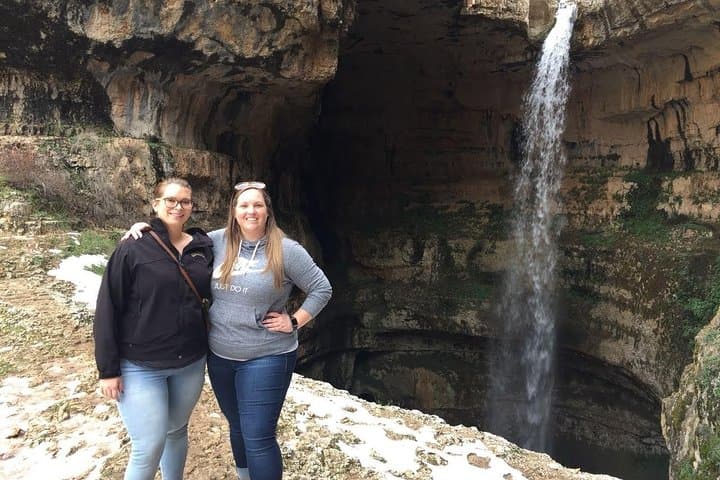
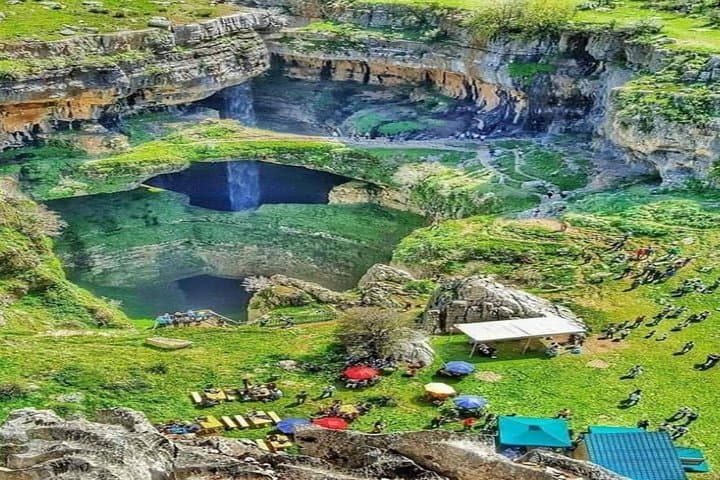
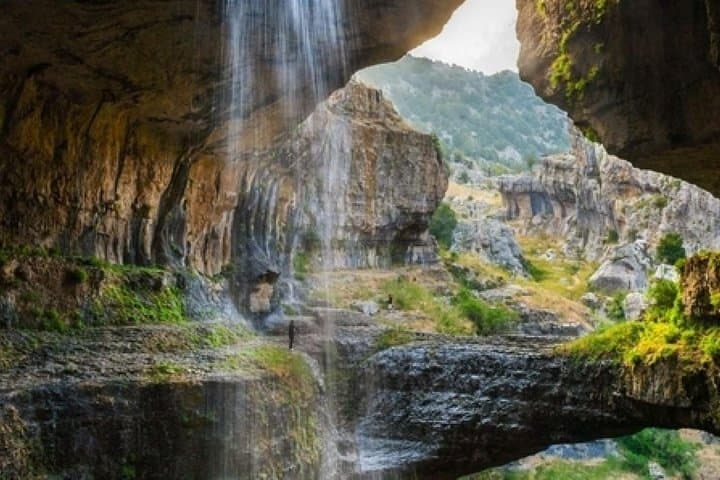
Later, the itinerary moves inland to Tannourine where the Baatara Gorge waterfall plunges into a three-bridge sinkhole. Discovered in the 20th century and best in spring, the falls carve a raw, vertical drama into Lebanon’s limestone flank.
Practical guidance: expect a full 8-hour day with multiple short walks, stairways in the grotto, and a 300‑metre approach at Baatara. Wear grippy shoes, bring layers for the cave’s cool constant temperature, and carry water and cash for onsite fees and the telepherique if you choose to ride it. Photography is tempting; respect posted paths and minimize flash inside the caves. The tour balances accessible sightseeing with brief, physically gentle explorations of three very different geologic and cultural sites.
moderate.
8 hours.
Light to moderate fitness; able to handle stairs and short uneven walks.
Entrance fees are often not included in private tour pricing—confirm with the operator and carry local currency for cave and gorge access.
The itinerary commonly stops at Harissa and the cable car is available but not always included; check whether the ride is optional or part of your booking.
Yes—routes are generally family friendly, but Jeita has many stairs and Baatara involves a short rocky walk; strollers and mobility aids may be impractical.
Spring (March–May) after winter rains produces the strongest flow and the most dramatic view of the 255m fall into the sinkhole.
Jeita’s caverns formed over millions of years in karst limestone; Harissa’s bronze Virgin dates to the early 20th century and is a major Christian pilgrimage landmark.
These sites are sensitive—stay on marked paths, avoid touching cave formations, and support local guides who promote responsible visitation.
Beirut Daily Tours operates guided outdoor trips and adventures with an emphasis on safety, stewardship, and memorable experiences.
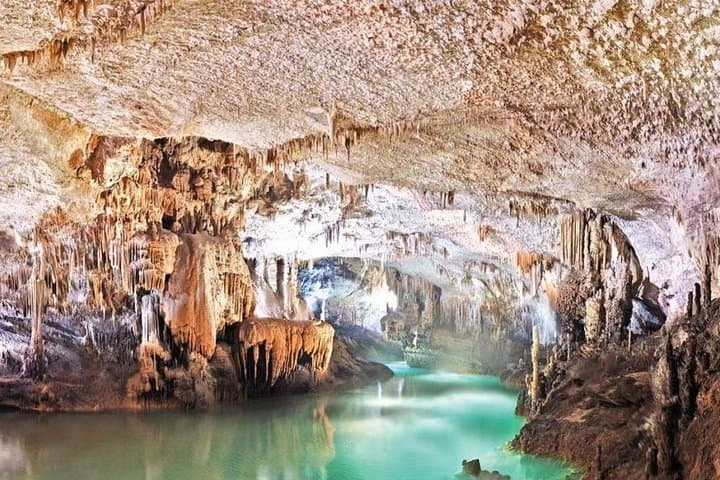
A cool morning wind threads through the cedar-scattered hills as a private vehicle pulls away from Beirut, road arcing toward limestone and sea. The first stop, Jeita Grotto, greets visitors with a hush — a vaulted world of calcite curtains and pearly stalactites that drop like the inside of an ancient cathedral. Descending and then gliding past an underground river, the cave’s slow geology reads like a chronicle of time.
A cool morning wind threads through the cedar-scattered hills as a private vehicle pulls away from Beirut, road arcing toward limestone and sea. The first stop, Jeita Grotto, greets visitors with a hush — a vaulted world of calcite curtains and pearly stalactites that drop like the inside of an ancient cathedral. Descending and then gliding past an underground river, the cave’s slow geology reads like a chronicle of time.
From there the road climbs to Harissa: a bronze Virgin overlooks Jounieh Bay, arms outstretched above a cable car route that cuts a line through pine forest. The site is both pilgrimage and panorama — Byzantine and modern architecture squat beside each other, offering wide views of the bay and the coastal plain below.
Later, the itinerary moves inland to Tannourine where the Baatara Gorge waterfall plunges into a three-bridge sinkhole. Discovered in the 20th century and best in spring, the falls carve a raw, vertical drama into Lebanon’s limestone flank.
Practical guidance: expect a full 8-hour day with multiple short walks, stairways in the grotto, and a 300‑metre approach at Baatara. Wear grippy shoes, bring layers for the cave’s cool constant temperature, and carry water and cash for onsite fees and the telepherique if you choose to ride it. Photography is tempting; respect posted paths and minimize flash inside the caves. The tour balances accessible sightseeing with brief, physically gentle explorations of three very different geologic and cultural sites.