THE ADVENTURE COLLECTIVE® · Independent discovery and booking for outdoor travel

Spend a day from Beirut exploring Jeita Grotto’s limestone caverns, riding the Harissa cable car for panoramic views of Jounieh Bay, and wandering the 8,000‑year streets of Byblos. This 8‑hour circuit combines geology, pilgrimage and ancient port-town charm with accessible walking segments.
Spend a day from Beirut exploring Jeita Grotto’s limestone caverns, riding the Harissa cable car for panoramic views of Jounieh Bay, and wandering the 8,000‑year streets of Byblos. This 8‑hour circuit combines geology, pilgrimage and ancient port-town charm with accessible walking segments.
A cool morning mist clings to the limestone mouth of Jeita Grotto as the group disembarks; light filters through the cave mouth and pools of still water reflect stalactites that seem to hang like carved chandeliers. The grotto’s upper and lower galleries unfold in measured steps—one accessed by cable car and the other by a quiet boat that slides beneath an underground river.
Verified experiences and guided adventures in the surrounding area.
Operated by Zingy Ride · Beirut, Beirut Governorate
A cool morning mist clings to the limestone mouth of Jeita Grotto as the group disembarks; light filters through the cave mouth and pools of still water reflect stalactites that seem to hang like carved chandeliers. The grotto’s upper and lower galleries unfold in measured steps—one accessed by cable car and the other by a quiet boat that slides beneath an underground river.
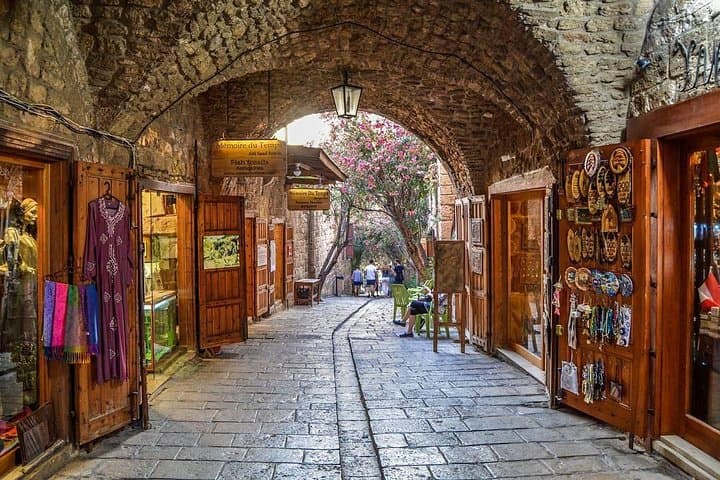
The route threads modern devotion and deep antiquity: Harissa’s statue of Our Lady of Lebanon perches above Jounieh Bay, its viewpoint shaped by 20th‑century faith and a dramatic téléférique ascent. Byblos (Jbeil) follows—streets of stone where Phoenician, Roman and Crusader layers remain visible in the castle, the old port and the narrow souk.
Geologically, Jeita is a karst system formed by millennia of water dissolving limestone; its caverns are fragile and temperature‑stable. Culturally, the coast presents a blend of Maronite Christian sites, living souks, and fishing traditions that still supply local eateries.
Practical guide: expect an 8‑hour day with several short walks and stairs; moderate fitness is required. Wear sturdy shoes with good grip for cave steps and uneven paving in Byblos. Pack a light layer—the grotto is cool year‑round—and a hat and sunscreen for Harissa and the port. Bring local currency for entrance fees and a flexible schedule: admissions to Jeita and the téléférique are often paid on site. The tour makes for a compact introduction to Lebanon’s natural and historical highlights, offering cinematic views and easily reachable access points for travelers based in Beirut.
moderate.
8 hours.
Requires moderate fitness: short walks, stairs and standing during tours; suitable for most travelers in good health
No—this tour’s price typically excludes grotto and téléférique admission, which are paid on site.
Strollers can be used for transport, but the grotto and many sections of Byblos have steps; toddlers may need to be carried in parts.
Travel times are short: roughly 30–45 minutes between Beirut and Jeita, ~20 minutes to Jounieh/Harissa, and ~45 minutes to Byblos depending on traffic.
Lunch is not included; the schedule allows about three hours in Byblos—ample time to eat at the port or in the souk.
Byblos (Jbeil) is one of the world’s oldest continuously inhabited towns with Phoenician and Crusader remains; Jeita’s caves formed in karst limestone over hundreds of thousands of years.
Jeita’s speleothems are delicate—stay on marked routes and avoid flash photography; support local guides and businesses that follow cave‑preservation rules.
Zingy Ride operates guided outdoor trips and adventures with an emphasis on safety, stewardship, and memorable experiences.
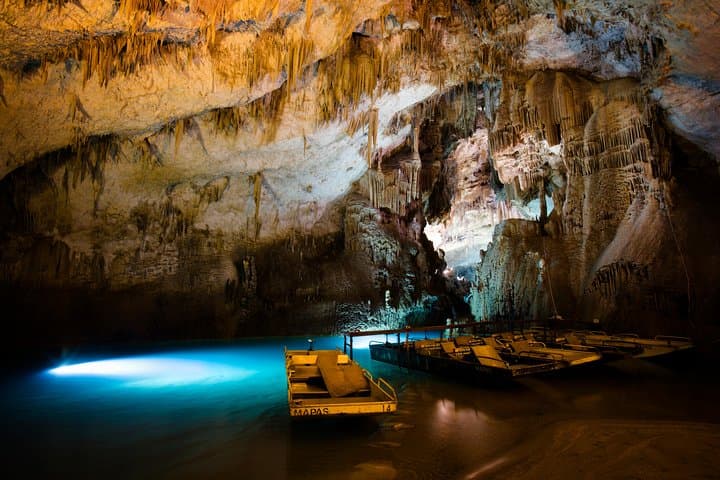
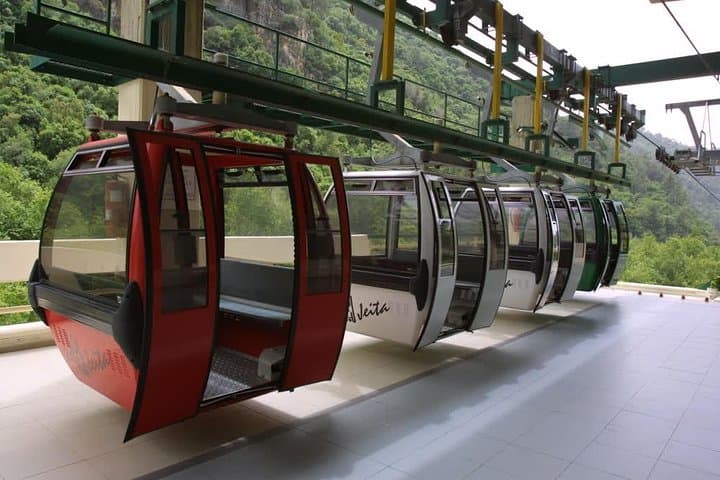
A cool morning mist clings to the limestone mouth of Jeita Grotto as the group disembarks; light filters through the cave mouth and pools of still water reflect stalactites that seem to hang like carved chandeliers. The grotto’s upper and lower galleries unfold in measured steps—one accessed by cable car and the other by a quiet boat that slides beneath an underground river.
A cool morning mist clings to the limestone mouth of Jeita Grotto as the group disembarks; light filters through the cave mouth and pools of still water reflect stalactites that seem to hang like carved chandeliers. The grotto’s upper and lower galleries unfold in measured steps—one accessed by cable car and the other by a quiet boat that slides beneath an underground river.
The route threads modern devotion and deep antiquity: Harissa’s statue of Our Lady of Lebanon perches above Jounieh Bay, its viewpoint shaped by 20th‑century faith and a dramatic téléférique ascent. Byblos (Jbeil) follows—streets of stone where Phoenician, Roman and Crusader layers remain visible in the castle, the old port and the narrow souk.
Geologically, Jeita is a karst system formed by millennia of water dissolving limestone; its caverns are fragile and temperature‑stable. Culturally, the coast presents a blend of Maronite Christian sites, living souks, and fishing traditions that still supply local eateries.
Practical guide: expect an 8‑hour day with several short walks and stairs; moderate fitness is required. Wear sturdy shoes with good grip for cave steps and uneven paving in Byblos. Pack a light layer—the grotto is cool year‑round—and a hat and sunscreen for Harissa and the port. Bring local currency for entrance fees and a flexible schedule: admissions to Jeita and the téléférique are often paid on site. The tour makes for a compact introduction to Lebanon’s natural and historical highlights, offering cinematic views and easily reachable access points for travelers based in Beirut.