THE ADVENTURE COLLECTIVE® · Independent discovery and booking for outdoor travel

This full‑day guided tour from Beirut pairs Jeita Grotto’s cavernous chambers with the dramatic Baatara Gorge waterfall and the ancient port city of Byblos. Expect an 8–9 hour day with moderate walking, cool caves and a deep dive into Lebanon’s layered history.
This full‑day guided tour from Beirut pairs Jeita Grotto’s cavernous chambers with the dramatic Baatara Gorge waterfall and the ancient port city of Byblos. Expect an 8–9 hour day with moderate walking, cool caves and a deep dive into Lebanon’s layered history.
A morning drive from Beirut opens onto limestone ridgelines and olive terraces, the sea shrinking behind you while the air takes on a cooler, rock-scented edge. The first stop is Jeita Grotto: a cathedral of stone where bowed stalactites and drapery-like columns catch the light, and a lower grotto boat ride nudges you toward a lake black as ink. Later the road climbs to the Baatara Gorge, where water thunders through a 255‑meter chasm and pours behind three natural bridges—a dramatic geological groove carved into Jurassic limestone.
Verified experiences and guided adventures in the surrounding area.
Operated by Lebanon Tours Online By Fadi Eid · Beirut, Beirut Governorate
A morning drive from Beirut opens onto limestone ridgelines and olive terraces, the sea shrinking behind you while the air takes on a cooler, rock-scented edge. The first stop is Jeita Grotto: a cathedral of stone where bowed stalactites and drapery-like columns catch the light, and a lower grotto boat ride nudges you toward a lake black as ink. Later the road climbs to the Baatara Gorge, where water thunders through a 255‑meter chasm and pours behind three natural bridges—a dramatic geological groove carved into Jurassic limestone.
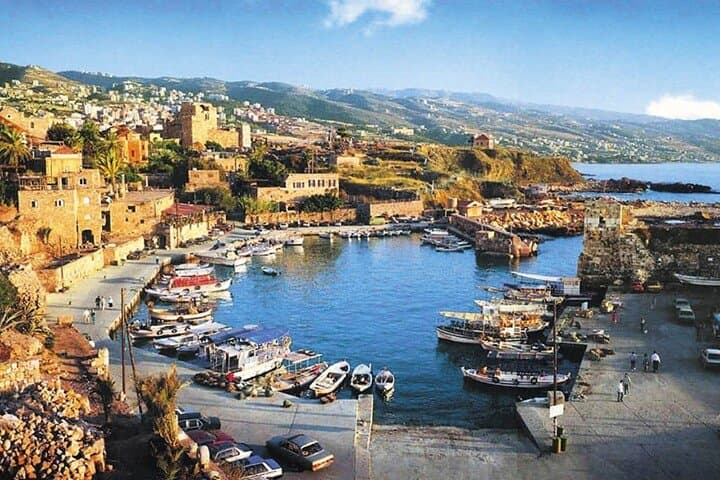
History and culture arrive in Byblos (Jbeil), one of the world’s oldest continuously inhabited ports. Walkable ruins—the Phoenician quay, Crusader castle and St. John’s church—sit beside a working harbor and a compact old souk where soap-makers and antiquities stalls still trade local craft.
Geology enthusiasts will note karst processes at work: limestone dissolution, underground rivers and seasonal snowmelt that feeds the Baatara drop. The grotto’s lower lake is managed to protect fragile formations; boats and walkways concentrate foot traffic.
Practical guidance: this is a full 8–9 hour day with moderate walking, uneven steps and some steep viewpoints. Bring a daypack, layered clothing (the grotto stays cool), sturdy shoes and a camera with good low-light capability. Expect separate entrance fees at major sights and limited mobility access at the cave and gorge viewpoints. Mornings are best for fewer crowds and crisper light at Byblos’ harbor; spring brings the most impressive waterfall from winter snowmelt.
easy.
8–9 hours.
Suitable for most fitness levels; able to walk on uneven ground and climb stairs intermittently.
Most bookings do not include site entrance fees; expect to pay separately at Jeita Grotto and some archaeological sites in Byblos.
The grotto and Baatara Gorge have uneven paths and stairs; access is limited and not fully wheelchair friendly—contact the operator for specific accommodations.
Late winter to spring, during and after snowmelt, typically delivers the most powerful waterfall flow and dramatic sightlines.
This full‑day tour usually includes transport only; bring snacks or plan to buy lunch in Byblos where restaurants and cafes line the harbor.
Byblos (Jbeil) dates back millennia as a Phoenician port and was influential in early alphabet development; Jeita was explored and developed as a show cave in the 20th century, while Baatara exposes classic karst geomorphology.
Cave formations are fragile—stay on marked paths and avoid touching speleothems; responsible visitation helps fund site protection and local communities.
Lebanon Tours Online By Fadi Eid operates guided outdoor trips and adventures with an emphasis on safety, stewardship, and memorable experiences.
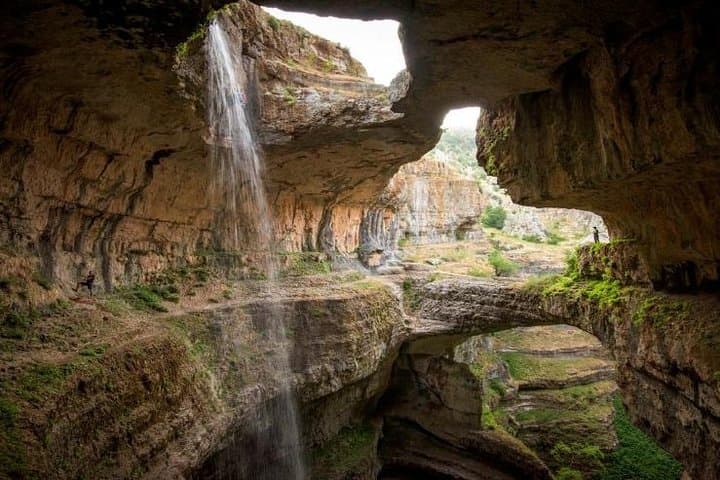
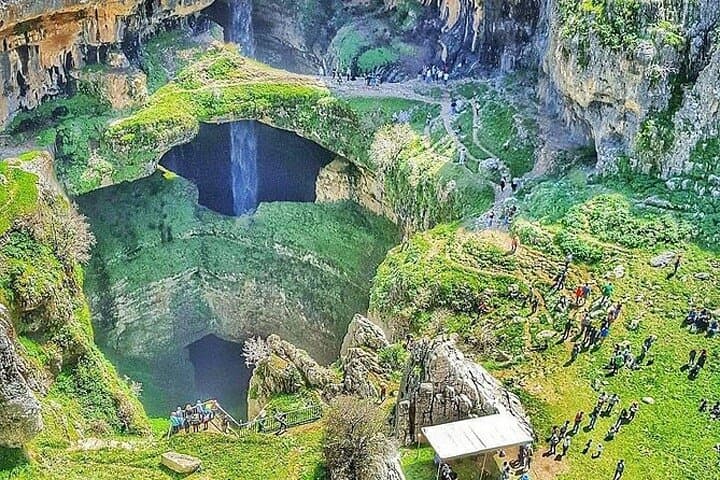
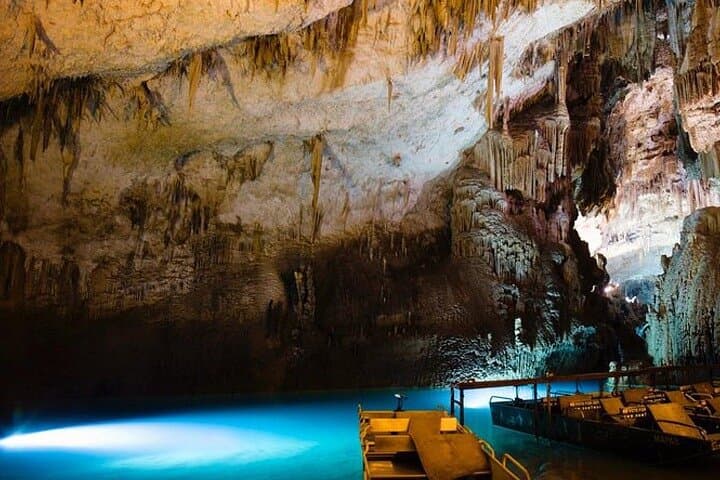
A morning drive from Beirut opens onto limestone ridgelines and olive terraces, the sea shrinking behind you while the air takes on a cooler, rock-scented edge. The first stop is Jeita Grotto: a cathedral of stone where bowed stalactites and drapery-like columns catch the light, and a lower grotto boat ride nudges you toward a lake black as ink. Later the road climbs to the Baatara Gorge, where water thunders through a 255‑meter chasm and pours behind three natural bridges—a dramatic geological groove carved into Jurassic limestone.
A morning drive from Beirut opens onto limestone ridgelines and olive terraces, the sea shrinking behind you while the air takes on a cooler, rock-scented edge. The first stop is Jeita Grotto: a cathedral of stone where bowed stalactites and drapery-like columns catch the light, and a lower grotto boat ride nudges you toward a lake black as ink. Later the road climbs to the Baatara Gorge, where water thunders through a 255‑meter chasm and pours behind three natural bridges—a dramatic geological groove carved into Jurassic limestone.
History and culture arrive in Byblos (Jbeil), one of the world’s oldest continuously inhabited ports. Walkable ruins—the Phoenician quay, Crusader castle and St. John’s church—sit beside a working harbor and a compact old souk where soap-makers and antiquities stalls still trade local craft.
Geology enthusiasts will note karst processes at work: limestone dissolution, underground rivers and seasonal snowmelt that feeds the Baatara drop. The grotto’s lower lake is managed to protect fragile formations; boats and walkways concentrate foot traffic.
Practical guidance: this is a full 8–9 hour day with moderate walking, uneven steps and some steep viewpoints. Bring a daypack, layered clothing (the grotto stays cool), sturdy shoes and a camera with good low-light capability. Expect separate entrance fees at major sights and limited mobility access at the cave and gorge viewpoints. Mornings are best for fewer crowds and crisper light at Byblos’ harbor; spring brings the most impressive waterfall from winter snowmelt.