THE ADVENTURE COLLECTIVE® · Independent discovery and booking for outdoor travel

Trade Hanoi’s bustle for open-air jeep rides, rice-paddy lanes and the ancient spiral ramparts of Co Loa Citadel. This half-day tour blends history, rural culture and hands-on local moments with easy logistics.
Trade Hanoi’s bustle for open-air jeep rides, rice-paddy lanes and the ancient spiral ramparts of Co Loa Citadel. This half-day tour blends history, rural culture and hands-on local moments with easy logistics.
You step into a Vietnam that still moves at the pace of seasons: a vintage open-air Jeep hums away from Hanoi’s Old Quarter and the asphalt gives way to a patchwork of rice paddies, dikes and low temples. The wind in the jeep teases loose straw hats; the fields almost dare you to slow down and look closer.
Verified experiences and guided adventures in the surrounding area.
Operated by Hanoi Local Tours · Hanoi, Hanoi
You step into a Vietnam that still moves at the pace of seasons: a vintage open-air Jeep hums away from Hanoi’s Old Quarter and the asphalt gives way to a patchwork of rice paddies, dikes and low temples. The wind in the jeep teases loose straw hats; the fields almost dare you to slow down and look closer.
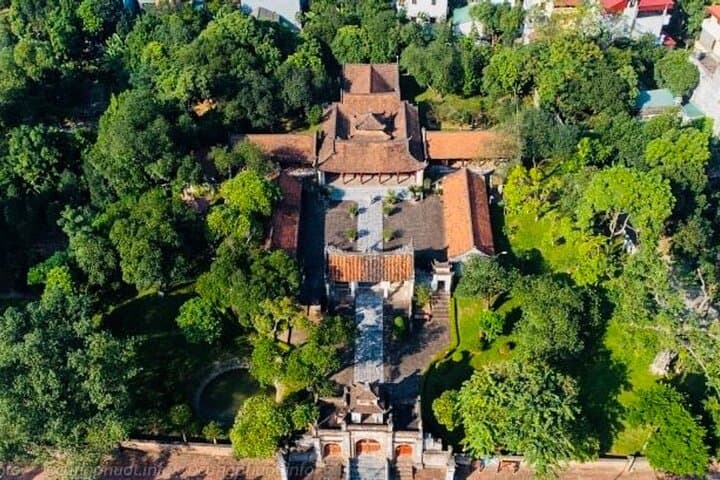
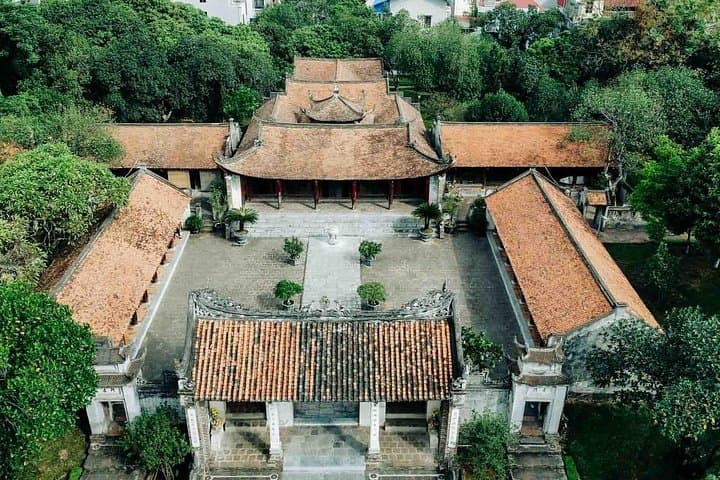
Co Loa Citadel is the focal point — an earthen fortress first occupied as a capital in the 3rd century BC. Its spiral ramparts rise as worked mounds of clay and grass, engineered to resist both flood and invader, leaving a readable imprint of early Vietnamese statecraft. The guide will trace the legend of King An Duong Vuong and the golden crossbow, while local temples keep votive offerings and ritual rhythms alive.
Geology here is simple and honest: alluvial plains fed by the Red River, soil that remembers centuries of rice; standing on the ramparts you can see how water shaped settlement patterns. Culture arrives in small moments — a noodle stall steaming at a crossroads, an old woman mending a net, a child steering a water buffalo down a muddy lane.
Practical guidance: plan for roughly 4–5 hours, wear sturdy shoes for uneven earthworks, and bring sun protection and a light rain layer during monsoon months. The tour includes hotel pickup from the Old Quarter, an English-speaking guide, local lunch and drinks. Move deliberately through the village stops: ask before photographing people, carry small bills for purchases, and allow the countryside to set its own tempo.
easy.
4–5 hours.
Light fitness—able to board an open jeep and walk short uneven trails (1–2 km) over earthworks.
Yes — pickup and drop-off are provided from hotels in and around Hanoi’s Old Quarter.
Admission to Co Loa and a local lunch with Hanoi egg coffee are included in the tour price.
Yes; the activity is easy but expect some short walks on uneven ground and limited shade—plan accordingly.
The operator provides a poncho if needed; standard cancellation rules apply with full refund if canceled at least 24 hours ahead.
Co Loa served as the first fortified capital of early Vietnamese kingdoms under King An Duong Vuong; its concentric earthen ramparts are a rare surviving plan from the 3rd century BC.
The citadel’s earthen structures are vulnerable to erosion and modern development—stick to marked paths, avoid climbing fragile sections and support local guides who promote site stewardship.
Hanoi Local Tours operates guided outdoor trips and adventures with an emphasis on safety, stewardship, and memorable experiences.


You step into a Vietnam that still moves at the pace of seasons: a vintage open-air Jeep hums away from Hanoi’s Old Quarter and the asphalt gives way to a patchwork of rice paddies, dikes and low temples. The wind in the jeep teases loose straw hats; the fields almost dare you to slow down and look closer.
You step into a Vietnam that still moves at the pace of seasons: a vintage open-air Jeep hums away from Hanoi’s Old Quarter and the asphalt gives way to a patchwork of rice paddies, dikes and low temples. The wind in the jeep teases loose straw hats; the fields almost dare you to slow down and look closer.
Co Loa Citadel is the focal point — an earthen fortress first occupied as a capital in the 3rd century BC. Its spiral ramparts rise as worked mounds of clay and grass, engineered to resist both flood and invader, leaving a readable imprint of early Vietnamese statecraft. The guide will trace the legend of King An Duong Vuong and the golden crossbow, while local temples keep votive offerings and ritual rhythms alive.
Geology here is simple and honest: alluvial plains fed by the Red River, soil that remembers centuries of rice; standing on the ramparts you can see how water shaped settlement patterns. Culture arrives in small moments — a noodle stall steaming at a crossroads, an old woman mending a net, a child steering a water buffalo down a muddy lane.
Practical guidance: plan for roughly 4–5 hours, wear sturdy shoes for uneven earthworks, and bring sun protection and a light rain layer during monsoon months. The tour includes hotel pickup from the Old Quarter, an English-speaking guide, local lunch and drinks. Move deliberately through the village stops: ask before photographing people, carry small bills for purchases, and allow the countryside to set its own tempo.