THE ADVENTURE COLLECTIVE® · Independent discovery and booking for outdoor travel

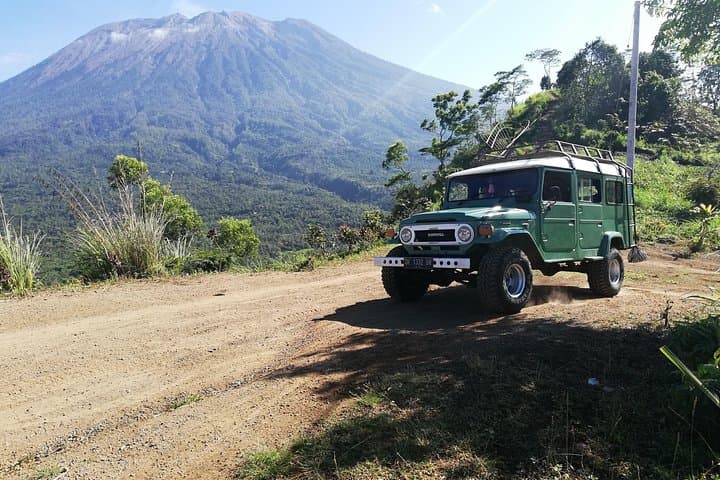
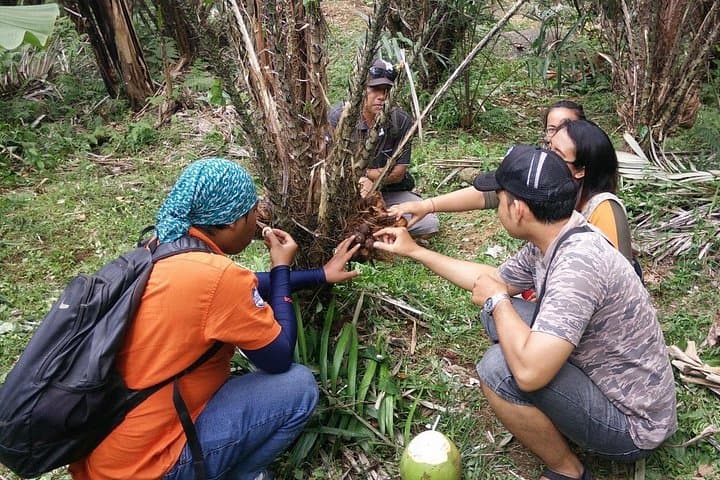
Hop into a classic 4WD and enter Bali’s largest salak plantation for village trails, fruit harvesting, arak sampling and a hilltop vista of Mt. Agung. This full-day jeep tour pairs off-road driving with hands-on farm visits and a local coffee break.
Hop into a classic 4WD and enter Bali’s largest salak plantation for village trails, fruit harvesting, arak sampling and a hilltop vista of Mt. Agung. This full-day jeep tour pairs off-road driving with hands-on farm visits and a local coffee break.
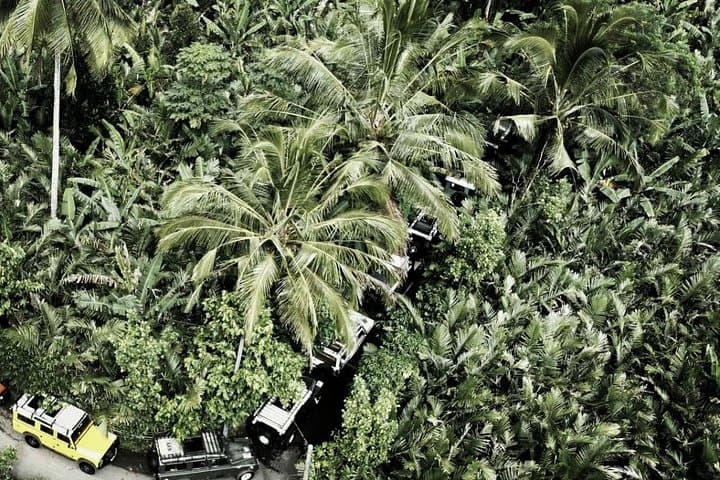
The jeep grumbles up a rutted village trail and the air shifts—thick with green, the sharp sweetness of salak fruit, and the distant, steady silhouette of Mount Agung. You step out where plantation rows slope like low terraces; palms shade the path while farmers move with practiced economy, and the land seems to breathe around you.
Verified experiences and guided adventures in the surrounding area.
Operated by Tour East Indonesia · Sidemen, Bali
The jeep grumbles up a rutted village trail and the air shifts—thick with green, the sharp sweetness of salak fruit, and the distant, steady silhouette of Mount Agung. You step out where plantation rows slope like low terraces; palms shade the path while farmers move with practiced economy, and the land seems to breathe around you.
Salak (snake fruit) has been cultivated in Bali for generations; the island’s volcanic soils and humid climate create the right conditions for dense, low orchards. Geologically, this eastern flank of Bali is shaped by Mount Agung’s eruptions and the slow build of terraced agriculture that channels rainfall into productive plots. Culturally, the tour passes through small hamlets where coffee is processed by hand and arak—locally fermented spirit—remains part of village life.
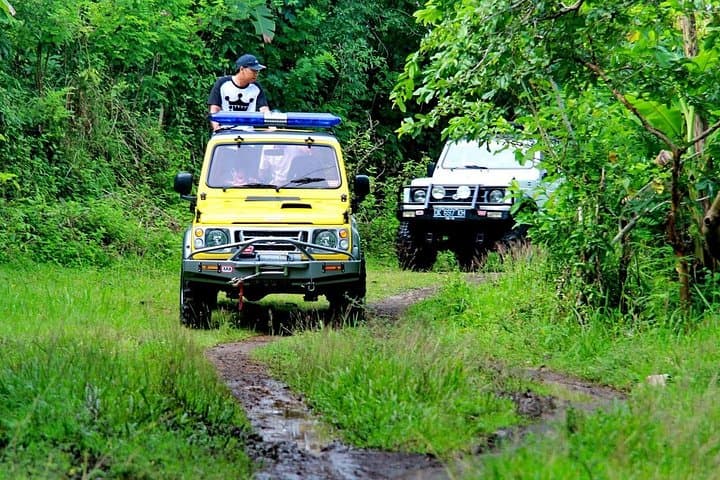
Expect a mix of off-road driving and short, moderately steep treks to pick fruit, visit family-run distilleries, and reach Bukit Surga for sweeping views of the eastern shore. The jeep ride can be bouncy; trails turn muddy after rain and insects are active in the understory. Guides are local and bilingual, and you’ll share a home-prepared coffee break and a simple local lunch.
Practical guidance: wear closed-toe shoes with grip, bring sun and rain protection, and carry at least 1–2 liters of water. Move respectfully around homes—ask before photographing people—and be prepared for uneven ground and several flights of steps at viewpoints. The full day runs roughly 7–8 hours with hotel pickup available from major southern Bali towns, making this a hands-on way to meet rural Balinese life while sampling one of the island’s most distinctive crops.
moderate.
7–8 hours.
Suitable for people in good general fitness who can handle short uphill sections, uneven terrain, and a bumpy jeep ride.
Yes—pickup and drop-off from major hotels in Kuta, Seminyak, Sanur, Jimbaran, Nusa Dua and select eastern towns is provided per the tour notes.
Walking consists of short treks on uneven plantation paths and some uphill sections; a good level of fitness is recommended.
Yes—the itinerary includes a coffee/tea break with traditional snacks, a chance to sample salak and local arak, plus a typical local lunch.
This tour is not recommended for pregnant travelers or people with spinal, heart, or serious cardiovascular conditions due to bumpy rides and physical demands.
Salak cultivation has long been part of eastern Bali’s rural economy; family plots and smallholder farms continue agricultural traditions tied to volcanic soils and water-management practices.
Fragile hillside soils are sensitive to erosion—stay on trails, avoid littering, and support local produce to help sustain village livelihoods and land-management efforts.
Tour East Indonesia operates guided outdoor trips and adventures with an emphasis on safety, stewardship, and memorable experiences.
The jeep grumbles up a rutted village trail and the air shifts—thick with green, the sharp sweetness of salak fruit, and the distant, steady silhouette of Mount Agung. You step out where plantation rows slope like low terraces; palms shade the path while farmers move with practiced economy, and the land seems to breathe around you.
The jeep grumbles up a rutted village trail and the air shifts—thick with green, the sharp sweetness of salak fruit, and the distant, steady silhouette of Mount Agung. You step out where plantation rows slope like low terraces; palms shade the path while farmers move with practiced economy, and the land seems to breathe around you.
Salak (snake fruit) has been cultivated in Bali for generations; the island’s volcanic soils and humid climate create the right conditions for dense, low orchards. Geologically, this eastern flank of Bali is shaped by Mount Agung’s eruptions and the slow build of terraced agriculture that channels rainfall into productive plots. Culturally, the tour passes through small hamlets where coffee is processed by hand and arak—locally fermented spirit—remains part of village life.
Expect a mix of off-road driving and short, moderately steep treks to pick fruit, visit family-run distilleries, and reach Bukit Surga for sweeping views of the eastern shore. The jeep ride can be bouncy; trails turn muddy after rain and insects are active in the understory. Guides are local and bilingual, and you’ll share a home-prepared coffee break and a simple local lunch.
Practical guidance: wear closed-toe shoes with grip, bring sun and rain protection, and carry at least 1–2 liters of water. Move respectfully around homes—ask before photographing people—and be prepared for uneven ground and several flights of steps at viewpoints. The full day runs roughly 7–8 hours with hotel pickup available from major southern Bali towns, making this a hands-on way to meet rural Balinese life while sampling one of the island’s most distinctive crops.