THE ADVENTURE COLLECTIVE® · Independent discovery and booking for outdoor travel

Explore Alentejo’s working cork forests on a 2-hour jeep tour from Évora. Learn about traditional cork harvesting, local ecology, and spot birds and boar while riding farm tracks through the montado.
Explore Alentejo’s working cork forests on a 2-hour jeep tour from Évora. Learn about traditional cork harvesting, local ecology, and spot birds and boar while riding farm tracks through the montado.
You bump along a chalky track as the jeep slips between low, twisted cork oaks; sunlight filtration creates a moving mosaic on the dry earth. The air smells faintly of resin, dust and wild herbs, and the guide points out the horizontal scars where bark was traditionally harvested.
Verified experiences and guided adventures in the surrounding area.
Operated by Corktrekking · Évora, Alentejo
You bump along a chalky track as the jeep slips between low, twisted cork oaks; sunlight filtration creates a moving mosaic on the dry earth. The air smells faintly of resin, dust and wild herbs, and the guide points out the horizontal scars where bark was traditionally harvested.
This short excursion sits in Alentejo’s montado—an agro-sylvo-pastoral landscape shaped by centuries of cork oak management. Geology here is a patchwork of schist and limestone; thin soils and a hot, dry climate favor hardy Quercus suber that define both the economy and local culture. Cork harvesting techniques, local wine farms, and the role of cork in Portuguese industry are woven into the commentary, while wildlife—bee-eaters, iberian hare, wild boar and raptors—appear between trees and on ridgelines.
Expect two hours of mostly seated travel with intermittent short stops for photos and explanations at a working cork farm. Terrain is rutted farm tracks and gentle hills rather than steep trails; the trip is suitable for most fitness levels but can be jostling on rough sections. Practical notes: bring sun protection and a light wind layer, wear closed-toe shoes for farm steps, and keep cameras ready—close-up cork harvesting techniques and birds of prey are common highlights.
The experience is compact and interpretive: ideal for travelers wanting a quick, on-the-ground introduction to Portugal’s cork landscape without a long hike. It’s an efficient way to learn history, see production methods and scan for wildlife in the Alentejo countryside.
easy.
2 hours.
Suitable for most fitness levels; mostly seated with short standing stops
Yes—tour notes indicate infants and small children can ride in a stroller or sit with guardians; confirm seating needs at booking.
Most departures are from Évora or nearby meeting points; the tour duration is about 2 hours total including transfer and short stops.
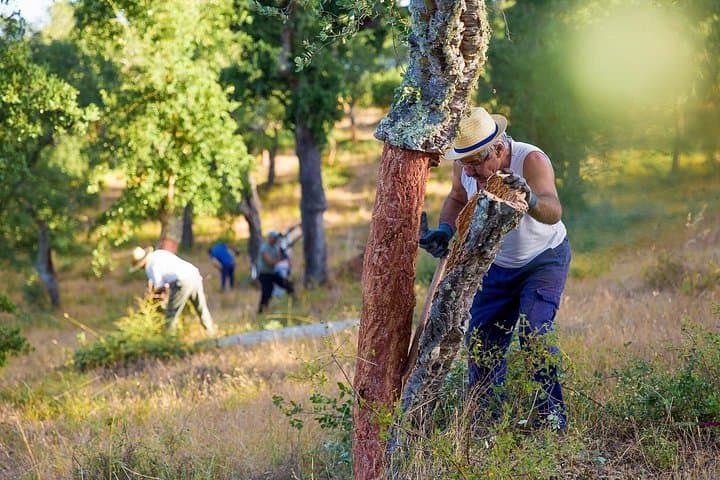
Guides typically demonstrate cork harvesting methods and explain the process; actual seasonal stripping occurs mainly late spring to early summer.
Vehicle access is provided but the terrain is uneven; travelers with mobility concerns should contact the operator to discuss vehicle boarding and seating arrangements.
The montado landscape has been managed for centuries for cork, olives and grazing; cork harvesting became a major economic product for Portugal starting in the 18th–19th centuries.
Sustainable cork management supports biodiversity and local economies; avoid disturbing regeneration zones and follow guide instructions to minimize impact.
Corktrekking operates guided outdoor trips and adventures with an emphasis on safety, stewardship, and memorable experiences.
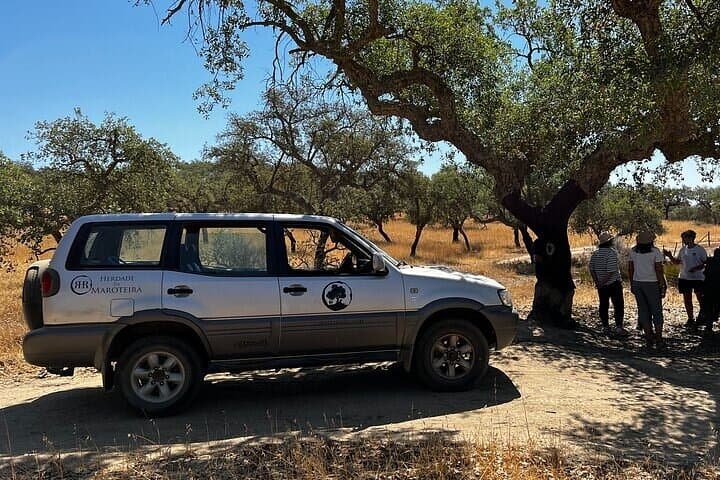
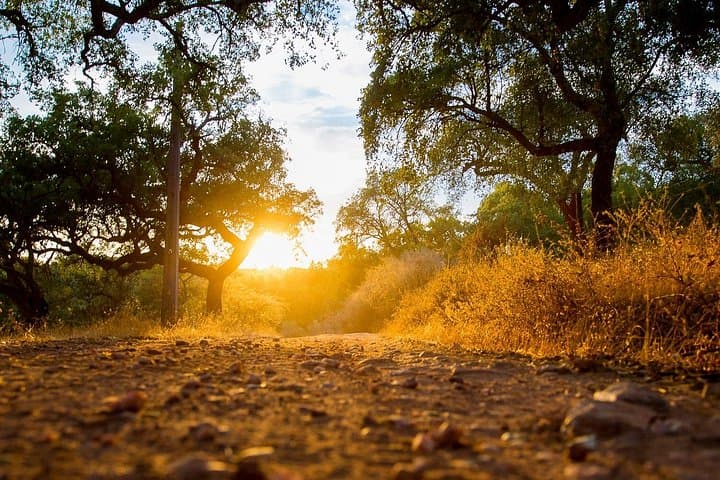
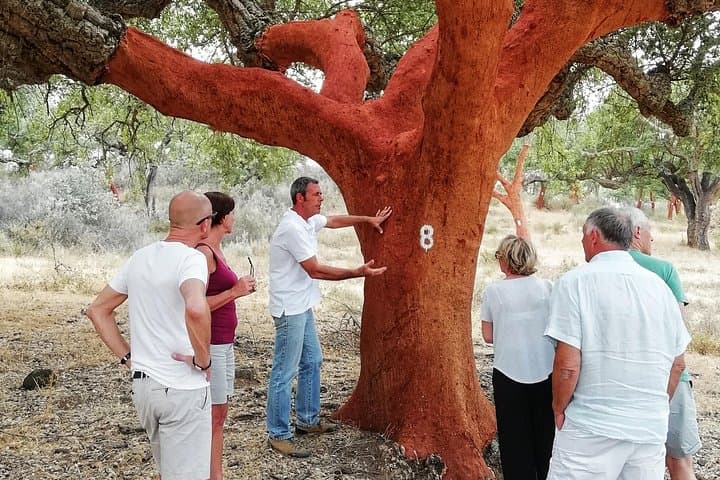
You bump along a chalky track as the jeep slips between low, twisted cork oaks; sunlight filtration creates a moving mosaic on the dry earth. The air smells faintly of resin, dust and wild herbs, and the guide points out the horizontal scars where bark was traditionally harvested.
You bump along a chalky track as the jeep slips between low, twisted cork oaks; sunlight filtration creates a moving mosaic on the dry earth. The air smells faintly of resin, dust and wild herbs, and the guide points out the horizontal scars where bark was traditionally harvested.
This short excursion sits in Alentejo’s montado—an agro-sylvo-pastoral landscape shaped by centuries of cork oak management. Geology here is a patchwork of schist and limestone; thin soils and a hot, dry climate favor hardy Quercus suber that define both the economy and local culture. Cork harvesting techniques, local wine farms, and the role of cork in Portuguese industry are woven into the commentary, while wildlife—bee-eaters, iberian hare, wild boar and raptors—appear between trees and on ridgelines.
Expect two hours of mostly seated travel with intermittent short stops for photos and explanations at a working cork farm. Terrain is rutted farm tracks and gentle hills rather than steep trails; the trip is suitable for most fitness levels but can be jostling on rough sections. Practical notes: bring sun protection and a light wind layer, wear closed-toe shoes for farm steps, and keep cameras ready—close-up cork harvesting techniques and birds of prey are common highlights.
The experience is compact and interpretive: ideal for travelers wanting a quick, on-the-ground introduction to Portugal’s cork landscape without a long hike. It’s an efficient way to learn history, see production methods and scan for wildlife in the Alentejo countryside.