THE ADVENTURE COLLECTIVE® · Independent discovery and booking for outdoor travel

Four hours of red sand, rock bridges and Bedouin tea: this guided jeep tour threads Wadi Rum’s signature viewpoints with short walks and cultural stops. Read on for what to expect, where to walk, and how to prepare.
Four hours of red sand, rock bridges and Bedouin tea: this guided jeep tour threads Wadi Rum’s signature viewpoints with short walks and cultural stops. Read on for what to expect, where to walk, and how to prepare.
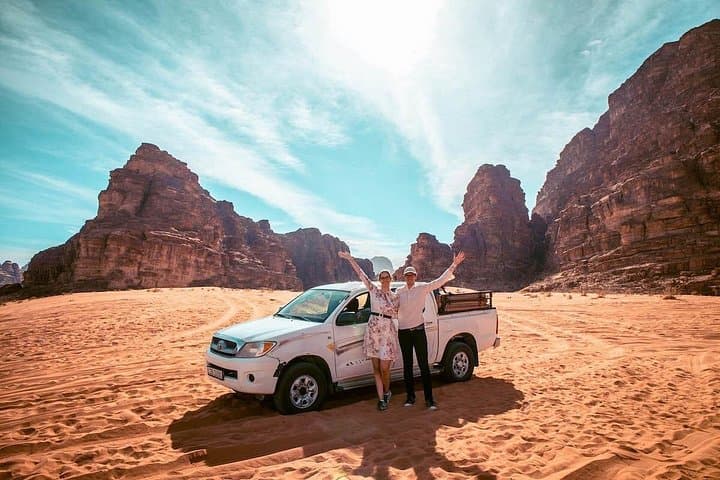
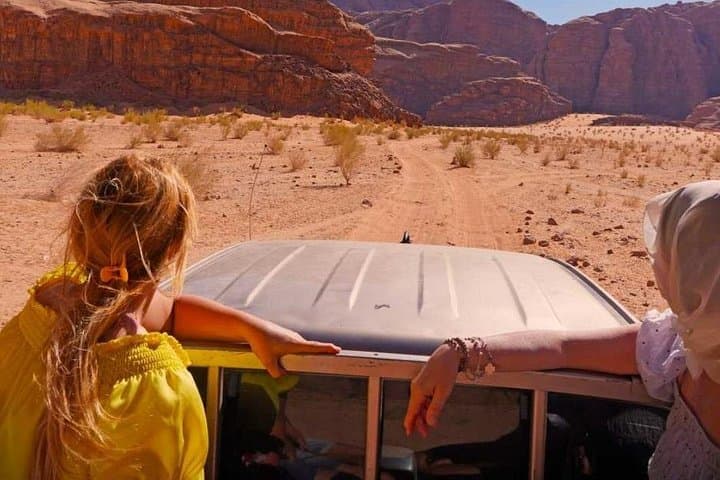
You slide from shade into open desert and the jeep answers with a soft grumble, sending sand spraying like coins into the sunset. Red dunes roll away in low waves, and sandstone towers loom — weathered arches and narrow canyons that the wind has been carving for millennia. The guide kills the engine; silence expands and the sand seems to dare you to listen.
Verified experiences and guided adventures in the surrounding area.
Operated by Mohammad · Wadi Rum Village, Ma'an Governorate
You slide from shade into open desert and the jeep answers with a soft grumble, sending sand spraying like coins into the sunset. Red dunes roll away in low waves, and sandstone towers loom — weathered arches and narrow canyons that the wind has been carving for millennia. The guide kills the engine; silence expands and the sand seems to dare you to listen.
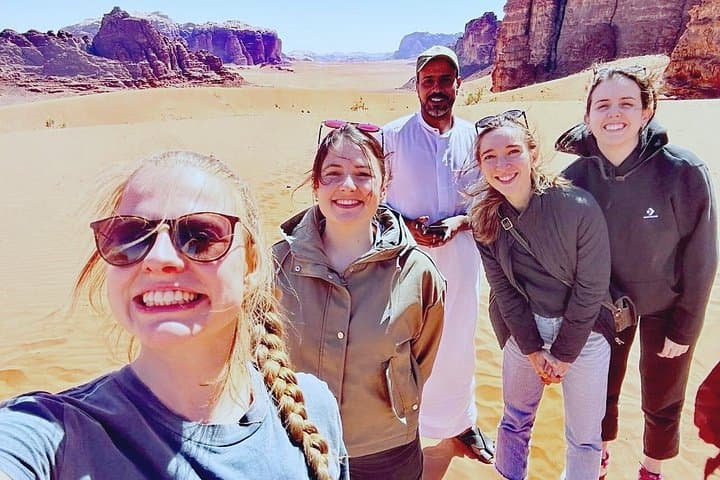
Wadi Rum is a landscape of deep geological time: Cambrian sandstone and granite sliced by erosion into bridges, mushrooms and sheer escarpments. Human marks are layered too — Nabatean and Thamudic inscriptions, and later the traces of T. E. Lawrence’s desert routes. Bedouin families still live and work here, offering tea, stories, and practical routes through the sand.
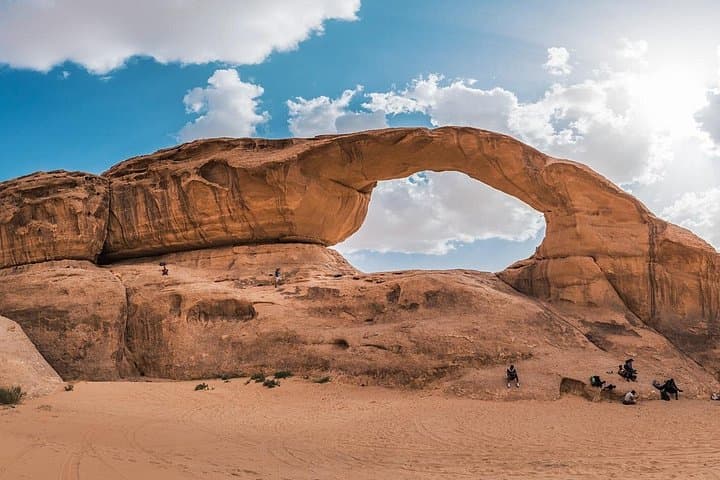
This standard four‑hour jeep loop focuses on photo stops and short walks: Lawrence’s House, Um Fruth Rock Bridge, Burrah Canyon, the Seven Pillars of Wisdom viewpoint and a sand-dune area for quick sandboarding. Expect several minutes to 30‑minute walks over soft sand and compacted rock; elevation changes are small but footing can be uneven. Guides drive the unmarked tracks and point out inscriptions and wildlife — keep an eye for Nubian ibex on rocky ribs and desert birds nesting in crevices.
Practical edge: travel mid‑morning or late afternoon to avoid midday heat, carry at least 1–2 liters of water, wear closed shoes for rock scrambles and a windproof layer for the cooler sand-borne gusts. Respect Bedouin property and stick to the route to protect fragile cryptobiotic soil. With basic preparation, a jeep tour delivers cinematic vistas, accessible cultural encounters and the precise kind of desert quiet that stays with you.
easy.
4 hours.
Suitable for most fitness levels; requires standing and short walks up to 30 minutes on uneven sand and rock.
The tour is approximately four hours with multiple short stops; walking ranges from brief photo strolls to one-off 20–30 minute walks over sand and rock.
Yes — infants can ride in strollers when off the jeep and must sit on laps during vehicle travel; follow the guide’s safety instructions.
Some tour packages include sandboard use at designated dune stops; bring a change of clothes if you plan to try it.
No prior experience is required; local guides handle navigation and will tailor the pace to group ability, though basic mobility for short hikes is recommended.
Wadi Rum carries layers of habitation and travel—from ancient petroglyphs and Nabatean routes to its role in Lawrence of Arabia’s campaigns—reflected in place names and local stories.
The desert’s cryptobiotic soils and sparse vegetation are sensitive to off-track travel; stay on guided routes, minimize litter, and conserve water to reduce impact.
Mohammad operates guided outdoor trips and adventures with an emphasis on safety, stewardship, and memorable experiences.
You slide from shade into open desert and the jeep answers with a soft grumble, sending sand spraying like coins into the sunset. Red dunes roll away in low waves, and sandstone towers loom — weathered arches and narrow canyons that the wind has been carving for millennia. The guide kills the engine; silence expands and the sand seems to dare you to listen.
You slide from shade into open desert and the jeep answers with a soft grumble, sending sand spraying like coins into the sunset. Red dunes roll away in low waves, and sandstone towers loom — weathered arches and narrow canyons that the wind has been carving for millennia. The guide kills the engine; silence expands and the sand seems to dare you to listen.
Wadi Rum is a landscape of deep geological time: Cambrian sandstone and granite sliced by erosion into bridges, mushrooms and sheer escarpments. Human marks are layered too — Nabatean and Thamudic inscriptions, and later the traces of T. E. Lawrence’s desert routes. Bedouin families still live and work here, offering tea, stories, and practical routes through the sand.
This standard four‑hour jeep loop focuses on photo stops and short walks: Lawrence’s House, Um Fruth Rock Bridge, Burrah Canyon, the Seven Pillars of Wisdom viewpoint and a sand-dune area for quick sandboarding. Expect several minutes to 30‑minute walks over soft sand and compacted rock; elevation changes are small but footing can be uneven. Guides drive the unmarked tracks and point out inscriptions and wildlife — keep an eye for Nubian ibex on rocky ribs and desert birds nesting in crevices.
Practical edge: travel mid‑morning or late afternoon to avoid midday heat, carry at least 1–2 liters of water, wear closed shoes for rock scrambles and a windproof layer for the cooler sand-borne gusts. Respect Bedouin property and stick to the route to protect fragile cryptobiotic soil. With basic preparation, a jeep tour delivers cinematic vistas, accessible cultural encounters and the precise kind of desert quiet that stays with you.