THE ADVENTURE COLLECTIVE® · Independent discovery and booking for outdoor travel

Leave the coastal bustle for a jeep ride into the valley where Champa brick towers emerge from the jungle. This half‑day tour from Hoi An or Da Nang pairs easy driving with walking among centuries‑old temple ruins.
Leave the coastal bustle for a jeep ride into the valley where Champa brick towers emerge from the jungle. This half‑day tour from Hoi An or Da Nang pairs easy driving with walking among centuries‑old temple ruins.
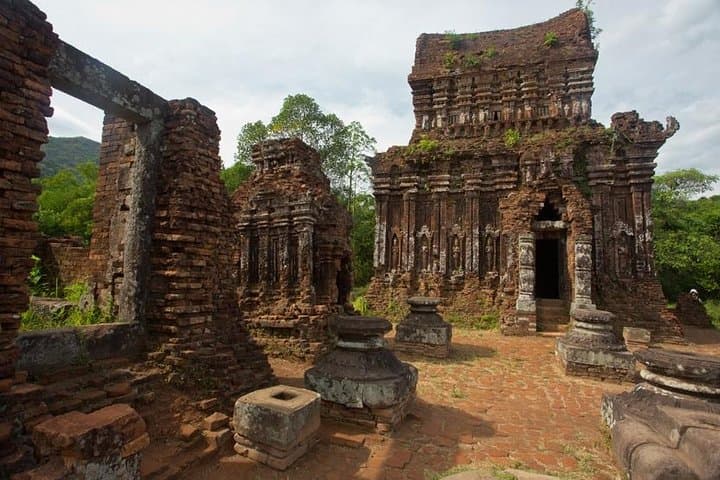
A morning begins on a country road outside Hoi An, the jeep's suspension bumping over rice-dyke tracks as the valley ahead opens like a held breath. Palm-fringed fields slide past, and the road funnels you toward a low basin where brick towers rise from the jungle. At My Son, the air carries the scent of wet earth and old mortar; the ruins sit quietly, as if still counting the years of rain.
Verified experiences and guided adventures in the surrounding area.
Operated by Hoi An Native Tours · Hoi An, Quang Nam
A morning begins on a country road outside Hoi An, the jeep's suspension bumping over rice-dyke tracks as the valley ahead opens like a held breath. Palm-fringed fields slide past, and the road funnels you toward a low basin where brick towers rise from the jungle. At My Son, the air carries the scent of wet earth and old mortar; the ruins sit quietly, as if still counting the years of rain.
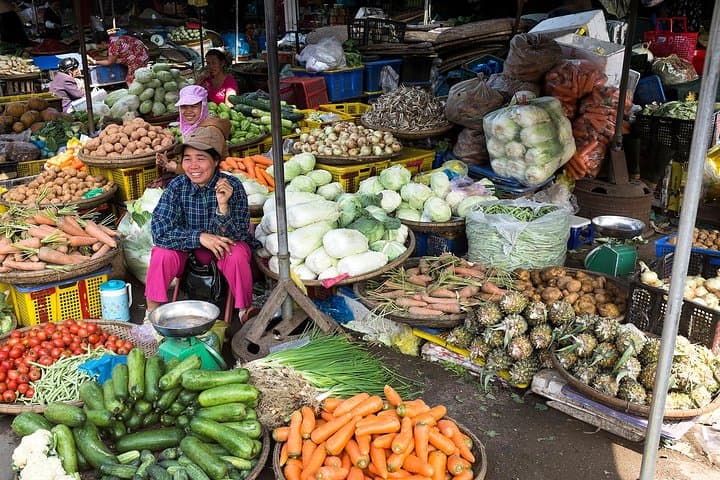
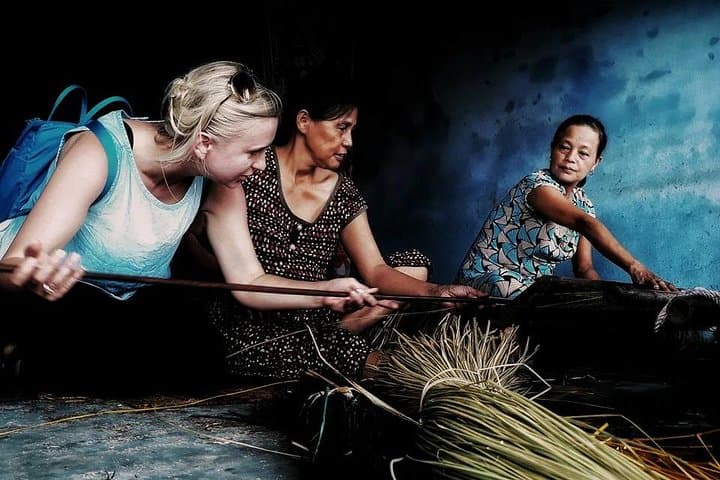
My Son was the religious heart of the Champa kingdoms from the 4th–14th centuries. Its brick temples, dedicated mainly to forms of Shiva, display centuries of carving and construction techniques unique to the region—brick bonded with a natural adhesive that has puzzled archaeologists since European contact. The site sits in a narrow valley between low limestone hills, which sheltered the complexes and shaped local agricultural patterns; Cham culture and craftsmanship remain visible in nearby villages and markets.
Practical guidance: the jeep tour is typically a half-day (about six hours inclusive of travel), with moderate walking on uneven paths and steps at the temple clusters. Wear sturdy, closed-toe shoes, a sun hat, and bring water—the tour usually includes bottled water and a simple lunch. Aim for a morning visit to avoid midday heat; the light is best for photography and the crowds are thinner. Respect active conservation—stay on marked paths, and observe signs where access is restricted. With its mix of roadside village life and layered history, a jeep trip to My Son is both an easy cultural immersion and an active, sensory walk through Vietnam's past.
easy.
6 hours.
Suitable for travelers with average mobility; involves short walks on uneven ground and occasional steps.
The full experience runs about six hours round-trip, including driving time from Hoi An or Da Nang, time at the site, and a short lunch stop.
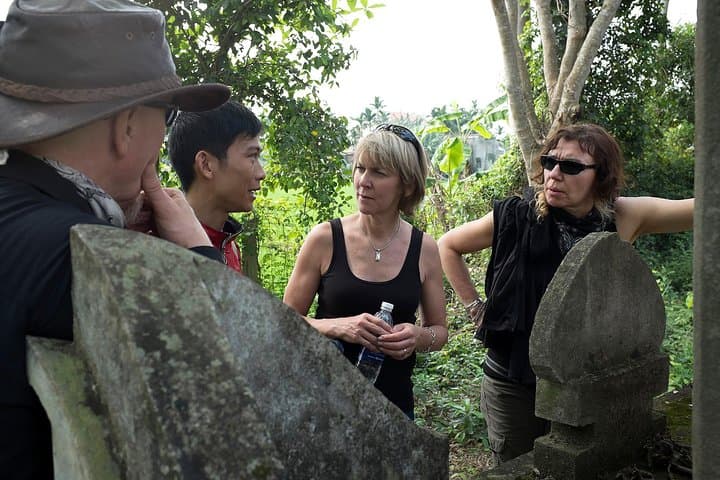
Entrance is often handled during the tour but policies vary; many jeep tours include a local guide at My Son—confirm with your operator before booking.
Parts of My Son have uneven surfaces and steps; some areas are reachable but full access is limited—check with the operator for tailored arrangements.
Comfortable closed-toe shoes, sun protection, insect repellent, and a refillable water bottle are recommended; modest clothing is respectful at religious sites.
My Son was a principal religious complex for the Champa kingdoms (4th–14th c.), with temples built and rebuilt using a distinctive brick-and-mortar technique.
Erosion and looting damaged many structures; current conservation focuses on stabilizing brickwork and managing visitor access to reduce wear.
Hoi An Native Tours operates guided outdoor trips and adventures with an emphasis on safety, stewardship, and memorable experiences.
A morning begins on a country road outside Hoi An, the jeep's suspension bumping over rice-dyke tracks as the valley ahead opens like a held breath. Palm-fringed fields slide past, and the road funnels you toward a low basin where brick towers rise from the jungle. At My Son, the air carries the scent of wet earth and old mortar; the ruins sit quietly, as if still counting the years of rain.
A morning begins on a country road outside Hoi An, the jeep's suspension bumping over rice-dyke tracks as the valley ahead opens like a held breath. Palm-fringed fields slide past, and the road funnels you toward a low basin where brick towers rise from the jungle. At My Son, the air carries the scent of wet earth and old mortar; the ruins sit quietly, as if still counting the years of rain.
My Son was the religious heart of the Champa kingdoms from the 4th–14th centuries. Its brick temples, dedicated mainly to forms of Shiva, display centuries of carving and construction techniques unique to the region—brick bonded with a natural adhesive that has puzzled archaeologists since European contact. The site sits in a narrow valley between low limestone hills, which sheltered the complexes and shaped local agricultural patterns; Cham culture and craftsmanship remain visible in nearby villages and markets.
Practical guidance: the jeep tour is typically a half-day (about six hours inclusive of travel), with moderate walking on uneven paths and steps at the temple clusters. Wear sturdy, closed-toe shoes, a sun hat, and bring water—the tour usually includes bottled water and a simple lunch. Aim for a morning visit to avoid midday heat; the light is best for photography and the crowds are thinner. Respect active conservation—stay on marked paths, and observe signs where access is restricted. With its mix of roadside village life and layered history, a jeep trip to My Son is both an easy cultural immersion and an active, sensory walk through Vietnam's past.