THE ADVENTURE COLLECTIVE® · Independent discovery and booking for outdoor travel

A private 4–5 hour jeep safari into Udawalawe National Park gives travelers a high-probability chance to see Asian elephants, plus productive birding and shoreline wildlife. Comfortable 4x4 transport and an English-speaking driver/guide make this a low-effort, high-reward wildlife outing.
A private 4–5 hour jeep safari into Udawalawe National Park gives travelers a high-probability chance to see Asian elephants, plus productive birding and shoreline wildlife. Comfortable 4x4 transport and an English-speaking driver/guide make this a low-effort, high-reward wildlife outing.
Dawn light slices across low grass and the heat already hints at the day ahead as a 4x4 rolls onto the rutted track into Udawalawe National Park. The jeep climbs a ridge and the plain opens: elephants move like deliberate islands, tails swaying, trunks probing riverbanks. Birds punctuate the scene—kites, herons and smaller passerines—while the reservoir’s edge glints where crocodiles sometimes sun themselves.
Verified experiences and guided adventures in the surrounding area.
Operated by Sigiritrip Tours · Udawalawe, Sabaragamuwa Province
Dawn light slices across low grass and the heat already hints at the day ahead as a 4x4 rolls onto the rutted track into Udawalawe National Park. The jeep climbs a ridge and the plain opens: elephants move like deliberate islands, tails swaying, trunks probing riverbanks. Birds punctuate the scene—kites, herons and smaller passerines—while the reservoir’s edge glints where crocodiles sometimes sun themselves.
Udawalawe was established in the early 1970s to protect the catchment of the reservoir and the migratory corridors for Asian elephants. Geologically, the park lies on ancient crystalline rock; its flat plains and the man-made reservoir shape the movement of wildlife more than elevation. Locally, communities around Udawalawe are a mix of farming and tourism services; the nearby Elephant Transit Home rehabilitates orphaned calves and offers insight into conservation efforts.
For travelers this private, 4–5 hour jeep safari means guided, close-range wildlife viewing from a comfortable vehicle rather than long hikes. Expect bumpy tracks, open savanna, and concentrated sightings near waterholes—best in the drier months when animals gather.
Bring binoculars and neutral clothing, and plan for sun, dust and sudden rain. Drivers/guides know where the animals move but sightings are never guaranteed; patience and quiet pay off. Photography is straightforward from the vehicle, but respect distances and follow the guide’s instructions to avoid stressing animals. With attentive guide work and basic preparations, a jeep safari here offers some of Sri Lanka’s most reliable elephant viewing combined with strong birding and a clear view of the country’s human-wildlife balance.
easy.
4–5 hours.
Minimal fitness required; ability to climb into a raised 4x4 and tolerate bumpy roads is enough
The tour runs about 4–5 hours; departures are usually early morning or late afternoon to coincide with peak wildlife activity.
Udawalawe has one of the highest concentrations of Asian elephants in Sri Lanka, so sightings are very likely but not guaranteed—wildlife is unpredictable.
The jeep is suitable for most ages and the operator lists wheelchair accessibility and infant seats; check with the provider about specific mobility needs.
Wear neutral, lightweight clothing, closed shoes for getting in and out of the jeep, sun protection, and binoculars; bring water and a small snack.
Udawalawe National Park was created in 1972 to protect the catchment area and a key migratory corridor for elephants after construction of Udawalawe Reservoir.
Conservation focuses on managing human–elephant conflict and protecting corridors; visitors are asked to minimize noise and avoid off-track driving to reduce stress on wildlife.
Sigiritrip Tours operates guided outdoor trips and adventures with an emphasis on safety, stewardship, and memorable experiences.
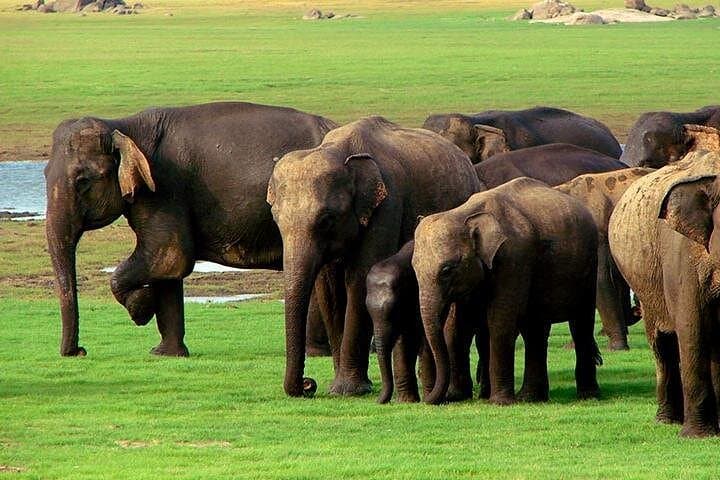
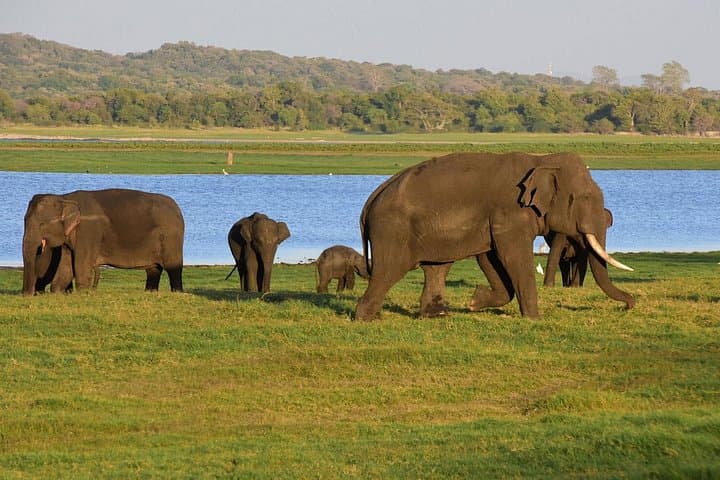
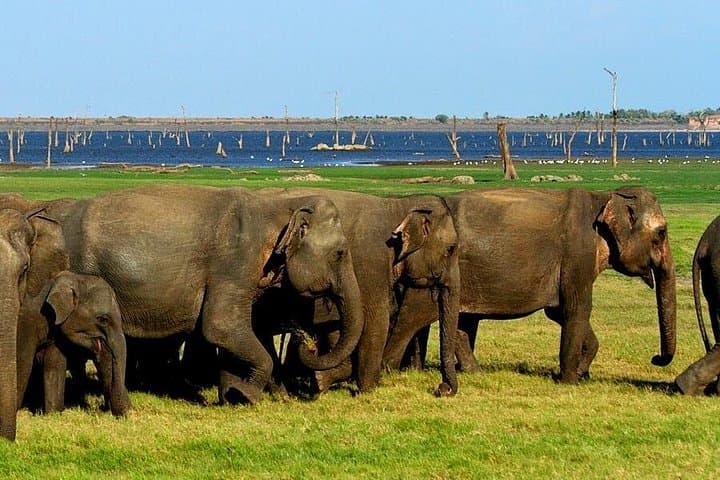
Dawn light slices across low grass and the heat already hints at the day ahead as a 4x4 rolls onto the rutted track into Udawalawe National Park. The jeep climbs a ridge and the plain opens: elephants move like deliberate islands, tails swaying, trunks probing riverbanks. Birds punctuate the scene—kites, herons and smaller passerines—while the reservoir’s edge glints where crocodiles sometimes sun themselves.
Dawn light slices across low grass and the heat already hints at the day ahead as a 4x4 rolls onto the rutted track into Udawalawe National Park. The jeep climbs a ridge and the plain opens: elephants move like deliberate islands, tails swaying, trunks probing riverbanks. Birds punctuate the scene—kites, herons and smaller passerines—while the reservoir’s edge glints where crocodiles sometimes sun themselves.
Udawalawe was established in the early 1970s to protect the catchment of the reservoir and the migratory corridors for Asian elephants. Geologically, the park lies on ancient crystalline rock; its flat plains and the man-made reservoir shape the movement of wildlife more than elevation. Locally, communities around Udawalawe are a mix of farming and tourism services; the nearby Elephant Transit Home rehabilitates orphaned calves and offers insight into conservation efforts.
For travelers this private, 4–5 hour jeep safari means guided, close-range wildlife viewing from a comfortable vehicle rather than long hikes. Expect bumpy tracks, open savanna, and concentrated sightings near waterholes—best in the drier months when animals gather.
Bring binoculars and neutral clothing, and plan for sun, dust and sudden rain. Drivers/guides know where the animals move but sightings are never guaranteed; patience and quiet pay off. Photography is straightforward from the vehicle, but respect distances and follow the guide’s instructions to avoid stressing animals. With attentive guide work and basic preparations, a jeep safari here offers some of Sri Lanka’s most reliable elephant viewing combined with strong birding and a clear view of the country’s human-wildlife balance.