THE ADVENTURE COLLECTIVE® · Independent discovery and booking for outdoor travel

Witness elephant herds with Mount Kilimanjaro looming behind on a full‑day jeep safari from Nairobi. This practical guide explains what you’ll see, the drive time, and how to prepare for a long but accessible wildlife day.
Witness elephant herds with Mount Kilimanjaro looming behind on a full‑day jeep safari from Nairobi. This practical guide explains what you’ll see, the drive time, and how to prepare for a long but accessible wildlife day.
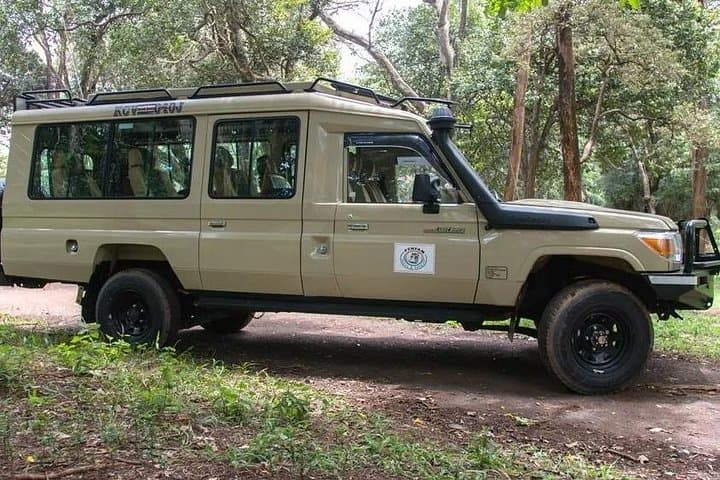
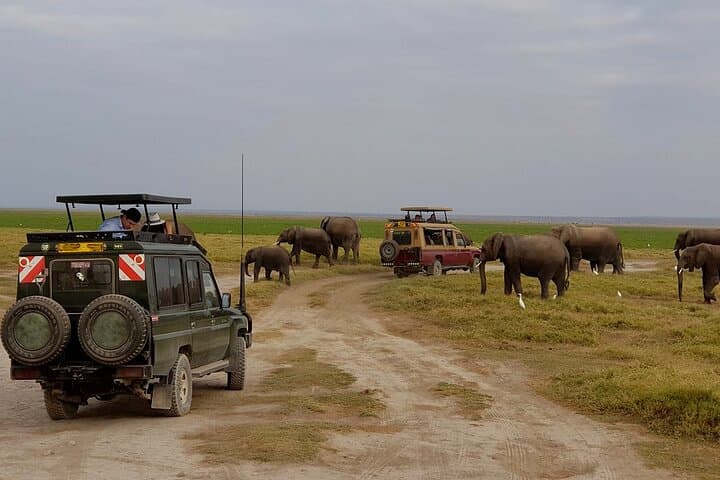
Daybreak in the Kenyan lowlands arrives sharp and dry: a jeep bumps along a red dirt track, the horizon lit behind a distant silhouette—Mount Kilimanjaro rising cold and white above a warm, golden plain. On a full‑day jeep safari to Amboseli National Park the rhythm is driven by sightlines—lone acacia crowns, flocks of wattled lapwing skittering away, and herds of elephants moving with the slow certainty of the place.
Verified experiences and guided adventures in the surrounding area.
Operated by VALLEY ROCKS TOURS · Amboseli, Kajiado County
Daybreak in the Kenyan lowlands arrives sharp and dry: a jeep bumps along a red dirt track, the horizon lit behind a distant silhouette—Mount Kilimanjaro rising cold and white above a warm, golden plain. On a full‑day jeep safari to Amboseli National Park the rhythm is driven by sightlines—lone acacia crowns, flocks of wattled lapwing skittering away, and herds of elephants moving with the slow certainty of the place.
Amboseli sits where volcanic ash and seasonal marshes meet open savanna. The park’s saline flats and swamp pockets support rich grazing and attract elephants, buffalo, giraffe, zebra and big cats. The Maasai have grazed this country for generations; their bomas and colorful shukas remain a visible cultural presence along the route. Geologically, Kilimanjaro—an extinct stratovolcano—dominates views and shapes local drainage; its glaciers are a stark contrast to the lowland scrub.
Practical planning matters: this is an 11‑hour day from Nairobi (roughly 240 km each way by road), with multiple game drives and a lunch stop at a lodge. Expect long stretches in open 4x4s, punctuated by slow, patient watching. Bring sun protection, binoculars, a charged camera, and layers for early morning chill. Follow your guide’s instructions around wildlife—keep distance, avoid noise, and don’t feed animals.
The reward is simple and immediate: elephants against a snow‑topped Kilimanjaro, the light shifting over wetlands, and the steady, low beat of a wild place that still feels large and alive.
easy.
10–12 hours.
Low fitness required; suitable for most people who can sit in a vehicle for extended periods and handle bumpy roads.
The road transfer is roughly 3.5–5 hours each way depending on traffic and weather; the full tour day is about 11 hours including game drives and lunch.
No tour can guarantee specific animal encounters, but Amboseli’s open plains and wetlands consistently produce elephants, giraffe, zebra and frequent big‑cat sightings when conditions are right.
Vehicles and pickup services are wheelchair accessible per the provider, but wildlife viewing often requires stepping into and out of a raised 4x4; notify the operator ahead to arrange assistance.
This tour typically includes hotel pickup/drop‑off, private transport in a jeep, a driver‑guide, bottled water and a lodge lunch; confirm specifics when booking.
Amboseli has long been a grazing and cultural landscape for the Maasai; the park was designated to protect the unique wetland‑savanna ecosystem and resident elephant populations.
The park faces pressures from climate change on Kilimanjaro’s glaciers and local water resources; supporting responsible operators and staying on designated roads reduces impact.
VALLEY ROCKS TOURS operates guided outdoor trips and adventures with an emphasis on safety, stewardship, and memorable experiences.


Daybreak in the Kenyan lowlands arrives sharp and dry: a jeep bumps along a red dirt track, the horizon lit behind a distant silhouette—Mount Kilimanjaro rising cold and white above a warm, golden plain. On a full‑day jeep safari to Amboseli National Park the rhythm is driven by sightlines—lone acacia crowns, flocks of wattled lapwing skittering away, and herds of elephants moving with the slow certainty of the place.
Daybreak in the Kenyan lowlands arrives sharp and dry: a jeep bumps along a red dirt track, the horizon lit behind a distant silhouette—Mount Kilimanjaro rising cold and white above a warm, golden plain. On a full‑day jeep safari to Amboseli National Park the rhythm is driven by sightlines—lone acacia crowns, flocks of wattled lapwing skittering away, and herds of elephants moving with the slow certainty of the place.
Amboseli sits where volcanic ash and seasonal marshes meet open savanna. The park’s saline flats and swamp pockets support rich grazing and attract elephants, buffalo, giraffe, zebra and big cats. The Maasai have grazed this country for generations; their bomas and colorful shukas remain a visible cultural presence along the route. Geologically, Kilimanjaro—an extinct stratovolcano—dominates views and shapes local drainage; its glaciers are a stark contrast to the lowland scrub.
Practical planning matters: this is an 11‑hour day from Nairobi (roughly 240 km each way by road), with multiple game drives and a lunch stop at a lodge. Expect long stretches in open 4x4s, punctuated by slow, patient watching. Bring sun protection, binoculars, a charged camera, and layers for early morning chill. Follow your guide’s instructions around wildlife—keep distance, avoid noise, and don’t feed animals.
The reward is simple and immediate: elephants against a snow‑topped Kilimanjaro, the light shifting over wetlands, and the steady, low beat of a wild place that still feels large and alive.