THE ADVENTURE COLLECTIVE® · Independent discovery and booking for outdoor travel

Track Bengal tigers across sandy tracks and seasonal lakes on a guided jeep safari through Ranthambore National Park. This full-day trip from Jaipur mixes patient game-watching, local history, and practical safety protocols to put you close to India’s iconic wildlife.
Track Bengal tigers across sandy tracks and seasonal lakes on a guided jeep safari through Ranthambore National Park. This full-day trip from Jaipur mixes patient game-watching, local history, and practical safety protocols to put you close to India’s iconic wildlife.
You pull away from Jaipur before dawn, the city’s heat giving way to a pale desert light as the road narrows toward the scrub and teak forests of Ranthambore.
Verified experiences and guided adventures in the surrounding area.
Operated by Sun Leisure World India · Sawai Madhopur, Rajasthan
You pull away from Jaipur before dawn, the city’s heat giving way to a pale desert light as the road narrows toward the scrub and teak forests of Ranthambore.
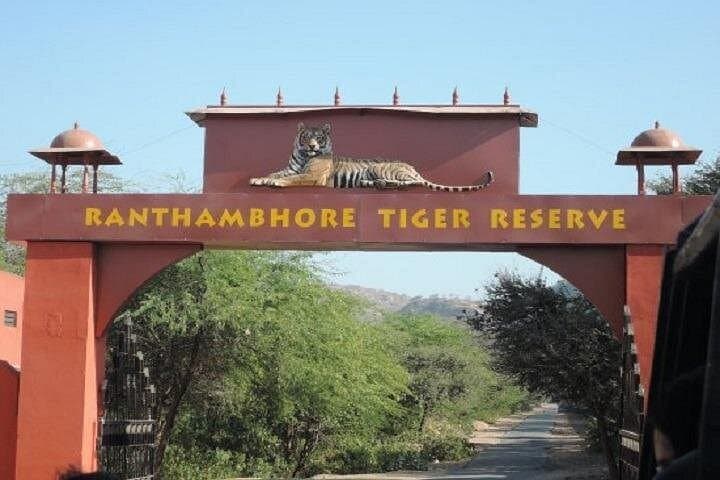
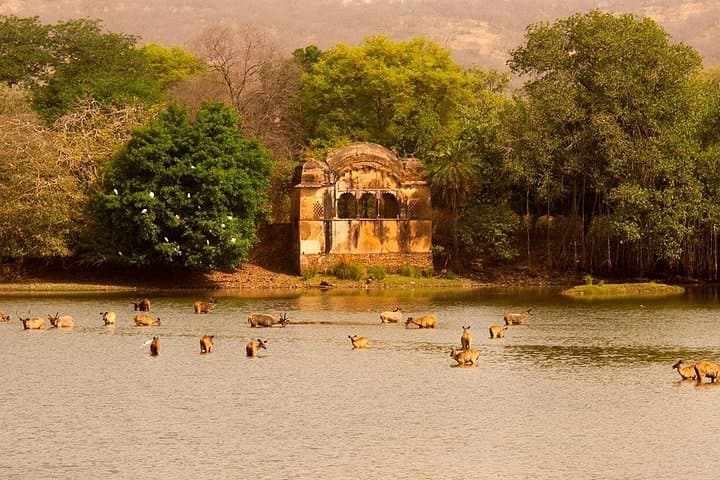
By midafternoon the jeep rumbles onto sandy tracks that cut through dry riverbeds and rocky outcrops. The forest breathes around you — dry leaves crack under wheels, and termite mounds dot open meadows where sambar and chital graze. Ranthambore was once a royal hunting reserve for the Maharajas of Jaipur; today it’s central to India’s Project Tiger and holds one of the subcontinent’s most reliable tiger populations. Ancient granite outcrops and the ruined fort above the park add a human layer to the landscape, while seasonal lakes—Padam and Malik Talao—shape wildlife movements.
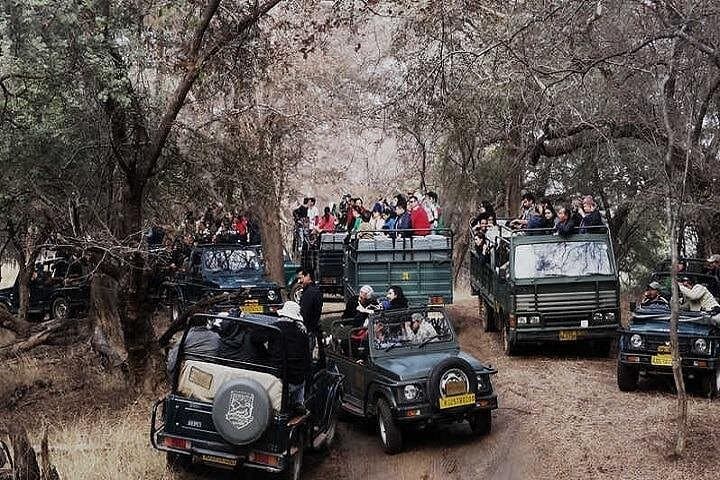
Expect a game-drive rhythm: long, patient watches from a raised jeep, sudden bursts of motion when a tiger or boar appears, and quiet stretches listening for calls of peafowl and junglefowl. Local guides read pugmarks and recent scrapes; they’ll advise when to stay still and when to reposition.
Practical guidance: dress in muted colors and soft fabrics, bring binoculars and a telephoto lens, and follow park rules — keep windows partly closed, remain seated, and don’t feed or attract animals. The park primarily operates October–June; monsoon months see partial closures. Meals are typically in nearby towns; bottled water and a park permit are standard inclusions on organized tours.
This is a day of patient observation and sudden rewards — a wildlife encounter delivered with the practicality of a guided jeep safari.
easy.
10 hours (approx).
Suitable for most fitness levels — involves long periods seated in a vehicle and short walks at stops
October–June offers the most consistent access; peak sightings often occur in the dry months when animals congregate near waterholes, while July–September sees partial closures due to monsoon.
Yes — park entry and jeep permits are required and usually handled by tour operators; confirm zone availability when booking.
Vehicles must maintain a respectful distance; guides and park rules prevent close approaches to reduce stress on animals and ensure visitor safety.
The tour is generally family-friendly but not recommended for pregnant travelers; check park guidance and operator policies before booking.
Ranthambore was a royal hunting ground for Jaipur’s maharajas; the ruins of Ranthambore Fort overlook routes animals still use today.
Part of India’s Project Tiger network, the reserve balances tourism with strict regulations; follow park rules, avoid single-use plastics, and keep a safe distance to minimize impact.
Sun Leisure World India operates guided outdoor trips and adventures with an emphasis on safety, stewardship, and memorable experiences.
You pull away from Jaipur before dawn, the city’s heat giving way to a pale desert light as the road narrows toward the scrub and teak forests of Ranthambore.
You pull away from Jaipur before dawn, the city’s heat giving way to a pale desert light as the road narrows toward the scrub and teak forests of Ranthambore.
By midafternoon the jeep rumbles onto sandy tracks that cut through dry riverbeds and rocky outcrops. The forest breathes around you — dry leaves crack under wheels, and termite mounds dot open meadows where sambar and chital graze. Ranthambore was once a royal hunting reserve for the Maharajas of Jaipur; today it’s central to India’s Project Tiger and holds one of the subcontinent’s most reliable tiger populations. Ancient granite outcrops and the ruined fort above the park add a human layer to the landscape, while seasonal lakes—Padam and Malik Talao—shape wildlife movements.
Expect a game-drive rhythm: long, patient watches from a raised jeep, sudden bursts of motion when a tiger or boar appears, and quiet stretches listening for calls of peafowl and junglefowl. Local guides read pugmarks and recent scrapes; they’ll advise when to stay still and when to reposition.
Practical guidance: dress in muted colors and soft fabrics, bring binoculars and a telephoto lens, and follow park rules — keep windows partly closed, remain seated, and don’t feed or attract animals. The park primarily operates October–June; monsoon months see partial closures. Meals are typically in nearby towns; bottled water and a park permit are standard inclusions on organized tours.
This is a day of patient observation and sudden rewards — a wildlife encounter delivered with the practicality of a guided jeep safari.