THE ADVENTURE COLLECTIVE® · Independent discovery and booking for outdoor travel

Drive a rugged, high-altitude route into Upper Mustang and arrive at Lo Manthang — a walled kingdom of caves, gompas, and arid canyons. This 13-day jeep itinerary trades long treks for remote access, cultural depth, and dramatic geology.
Drive a rugged, high-altitude route into Upper Mustang and arrive at Lo Manthang — a walled kingdom of caves, gompas, and arid canyons. This 13-day jeep itinerary trades long treks for remote access, cultural depth, and dramatic geology.
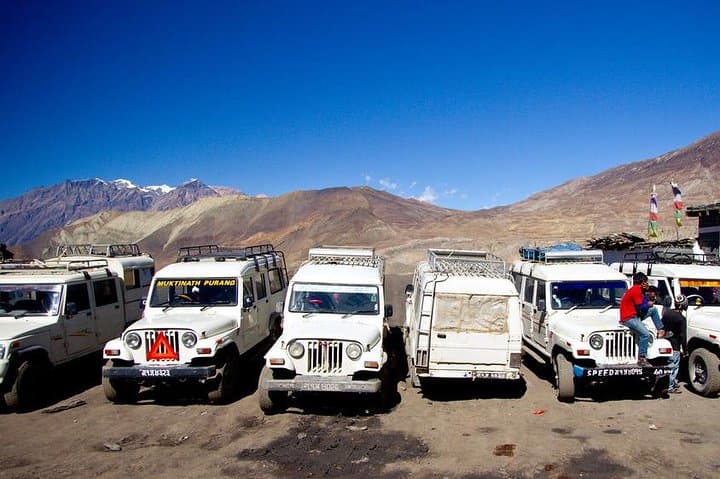
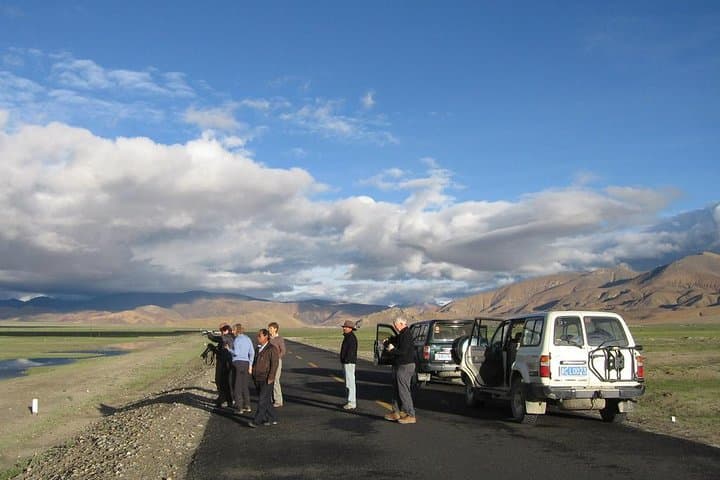
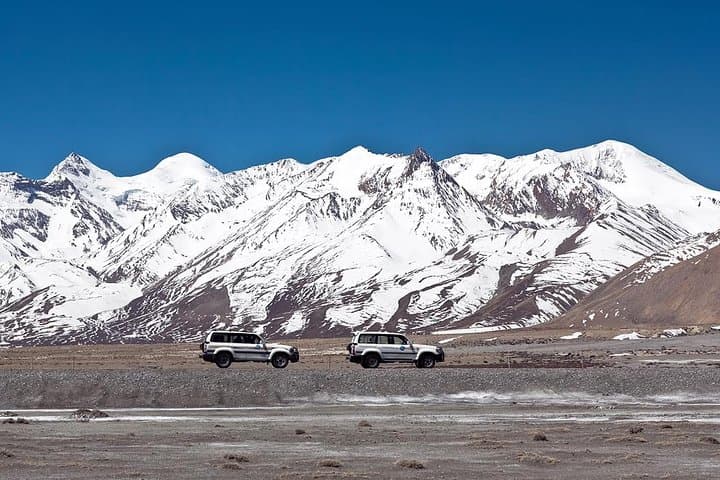
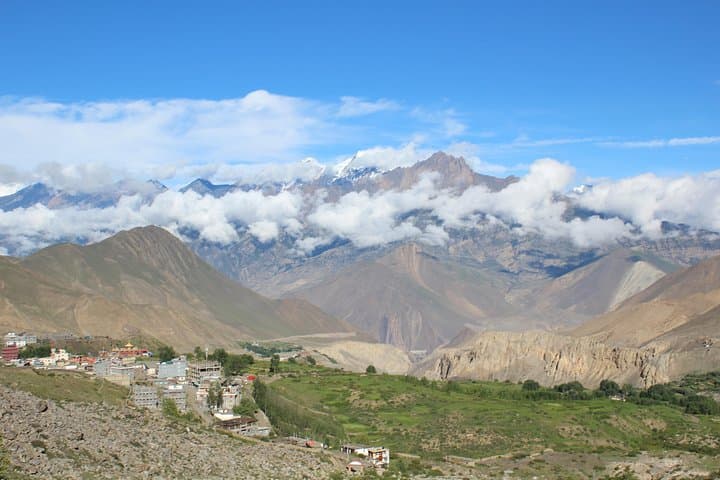
You kick up dust on a high plain where wind-carved cliffs stand like stacked pages of red and ochre; prayer flags snap overhead as the jeep groans over washboard. The road to Upper Mustang feels like a slow reveal — barren valleys giving way to walled villages, caves perched on cliff faces, and at last Lo Manthang, the compact capital with whitewashed gompas and a ruined palace that holds the history of a Himalayan kingdom.
Verified experiences and guided adventures in the surrounding area.
Operated by Shishu Tours & Travel · Lo Manthang, Gandaki Province
You kick up dust on a high plain where wind-carved cliffs stand like stacked pages of red and ochre; prayer flags snap overhead as the jeep groans over washboard. The road to Upper Mustang feels like a slow reveal — barren valleys giving way to walled villages, caves perched on cliff faces, and at last Lo Manthang, the compact capital with whitewashed gompas and a ruined palace that holds the history of a Himalayan kingdom.
Geologically, Mustang sits in the rain shadow of the Annapurna range: wind and seasonal flash floods have sculpted steep canyons and exposed layers of sandstone and silt. Culturally it reads like a borderland of Tibet and Nepal — mani walls, chortens and centuries-old monasteries mark a living Buddhist landscape. Upper Mustang was a restricted kingdom until the late 20th century; its isolation preserved caves and traditional ways of life, and pockets of people still occupy cliff dwellings often called the “sky people.”
Practically, this itinerary is an overland route ideal for travelers short on trekking time but keen on remote landscapes. Expect long days in a 4x4, gradual altitude gain toward Lo Manthang (around 3,700–3,900 m), and teahouse-style lodging on route. Permits are required and substantial — the trip includes the Restricted Area Permit — and acclimatization must be respected: schedule rest, hydrate, and move slowly on foot if you feel breathless.
Bring sun protection for dry glare, warm layers for cold nights, and contingency plans for vehicle delays; the payoff is sudden: howling wind, empty valleys, and a walled town where time feels thin and the sky reads like an open map.
moderate.
13 days.
Suitable for travelers with basic fitness who can tolerate long vehicle days and moderate walking at altitude.
Yes — Upper Mustang is a restricted area; a specific Restricted Area Permit (fee varies) plus standard trekking permits and conservation area fees are required.
The road trip itself is low-impact but involves long vehicle days and travel at high altitude; basic fitness and good acclimatization are important.
Teahouse-style lodges and simple guesthouses are common along the route; in Lo Manthang expect basic but comfortable rooms with shared facilities.
Spring (April–May) and autumn (September–November) offer the most stable weather and clearer views; winters are cold and roads may be impassable.
Lo Manthang was the walled capital of a small Himalayan kingdom with strong Tibetan cultural links; the area remained restricted to foreigners until recent decades, preserving traditional life and cave dwellings.
Upper Mustang’s fragile, arid environment is vulnerable to erosion and overuse; stick to trails, avoid collecting artifacts, and follow local waste disposal rules to reduce impact.
Shishu Tours & Travel operates guided outdoor trips and adventures with an emphasis on safety, stewardship, and memorable experiences.
You kick up dust on a high plain where wind-carved cliffs stand like stacked pages of red and ochre; prayer flags snap overhead as the jeep groans over washboard. The road to Upper Mustang feels like a slow reveal — barren valleys giving way to walled villages, caves perched on cliff faces, and at last Lo Manthang, the compact capital with whitewashed gompas and a ruined palace that holds the history of a Himalayan kingdom.
You kick up dust on a high plain where wind-carved cliffs stand like stacked pages of red and ochre; prayer flags snap overhead as the jeep groans over washboard. The road to Upper Mustang feels like a slow reveal — barren valleys giving way to walled villages, caves perched on cliff faces, and at last Lo Manthang, the compact capital with whitewashed gompas and a ruined palace that holds the history of a Himalayan kingdom.
Geologically, Mustang sits in the rain shadow of the Annapurna range: wind and seasonal flash floods have sculpted steep canyons and exposed layers of sandstone and silt. Culturally it reads like a borderland of Tibet and Nepal — mani walls, chortens and centuries-old monasteries mark a living Buddhist landscape. Upper Mustang was a restricted kingdom until the late 20th century; its isolation preserved caves and traditional ways of life, and pockets of people still occupy cliff dwellings often called the “sky people.”
Practically, this itinerary is an overland route ideal for travelers short on trekking time but keen on remote landscapes. Expect long days in a 4x4, gradual altitude gain toward Lo Manthang (around 3,700–3,900 m), and teahouse-style lodging on route. Permits are required and substantial — the trip includes the Restricted Area Permit — and acclimatization must be respected: schedule rest, hydrate, and move slowly on foot if you feel breathless.
Bring sun protection for dry glare, warm layers for cold nights, and contingency plans for vehicle delays; the payoff is sudden: howling wind, empty valleys, and a walled town where time feels thin and the sky reads like an open map.