THE ADVENTURE COLLECTIVE® · Independent discovery and booking for outdoor travel

Drive into Curaçao’s rugged west to explore Bandabou’s sandy plains, sea-sculpted bocas, Kueba di Brua, and Christoffel’s Savonet Museum—then cool off with a snorkel in crystal water. This full-day 4x4 safari combines off-road thrills with cultural stops and beach time.
Drive into Curaçao’s rugged west to explore Bandabou’s sandy plains, sea-sculpted bocas, Kueba di Brua, and Christoffel’s Savonet Museum—then cool off with a snorkel in crystal water. This full-day 4x4 safari combines off-road thrills with cultural stops and beach time.
You feel the jeep shift as it leaves the paved road behind—sand sprays, salt air fills the cab and the island opens into the raw Bandabou coast. The route heads west across San Pedro’s plains, up rocky tracks that climb toward the northern bocas where waves crash against black limestone cliffs.
Verified experiences and guided adventures in the surrounding area.
Operated by Curacao Activities · Willemstad, Curaçao
You feel the jeep shift as it leaves the paved road behind—sand sprays, salt air fills the cab and the island opens into the raw Bandabou coast. The route heads west across San Pedro’s plains, up rocky tracks that climb toward the northern bocas where waves crash against black limestone cliffs.
This loop threads living history: plantation ruins, the Kueba di Brua (witch’s cave) with its folk legends, and Museum Savonet inside Christoffel National Park, which interprets the island’s Arawak and plantation-era past. Geology is obvious here—flat coral limestone to the south gives way to uplifted reef and jagged coastal bluffs on the north coast; sinkholes and caves punctuate the route where porous rock met the sea.
Culturally the drive travels through small fishing settlements and scattered farms; guides will weave local stories about salt harvesting, the island’s biodiversity, and how Curaçaoans shaped the landscape.
Practical side: expect a full-day outing (about 6–7 hours) with multiple stops—short walks, a cave visit, museum time, and a beach swim/snorkel. Vehicles are 4x4 jeeps on uneven sandy and rocky tracks; bring sun protection, a swim kit, and sturdy footwear you don’t mind getting dusty. Snorkel gear is provided, but basic snorkeling confidence helps.
Timing matters—take the tour in morning light for cooler driving and clearer snorkel conditions. Respect marine life: no touching coral or turtles, and follow your guide’s instructions when entering surf. The safari offers a mix of adrenaline, coastal scenery, and grounded history—Curaçao’s west side in raw, kinetic motion.
moderate.
6–7 hours.
Suitable for travelers with basic mobility; you should be comfortable entering/exiting a 4x4, short uneven walks, and light swimming.
Willemstad is the usual base; pickups are often arranged from central hotels or a designated meeting point in the city.
The tour is marketed for all fitness levels but requires getting in and out of a jeep and some short uneven walks—check with the operator about mobility limitations.
Snorkeling equipment is provided, but you may bring a personal mask if you prefer a custom fit; basic snorkeling ability is recommended.
Full refund is available if you cancel at least 24 hours before departure; tours may be canceled for bad weather or insufficient travelers per provider policy.
Museum Savonet, located in Christoffel National Park, interprets the island’s indigenous Arawak roots and plantation-era economy tied to salt and agriculture.
The area is ecologically sensitive—avoid touching coral or wildlife, use reef-safe sunscreen, and follow guide rules; park fees help fund local conservation efforts.
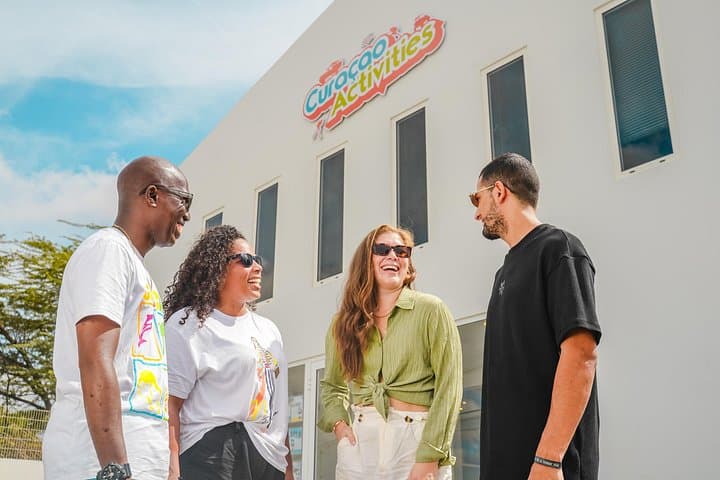
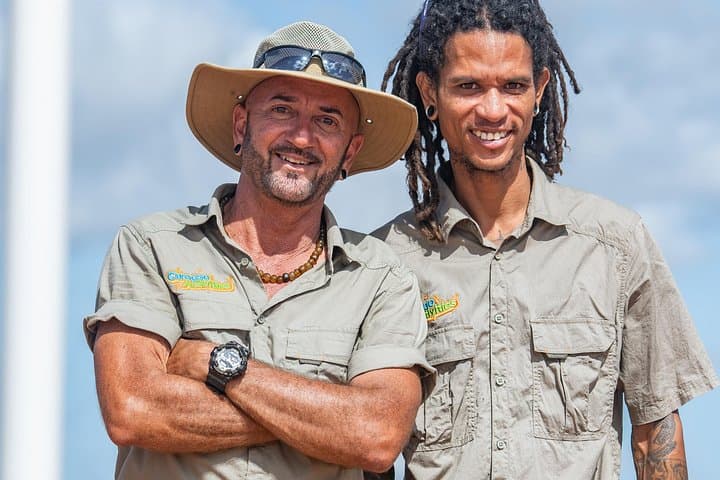
Curacao Activities operates guided outdoor trips and adventures with an emphasis on safety, stewardship, and memorable experiences.
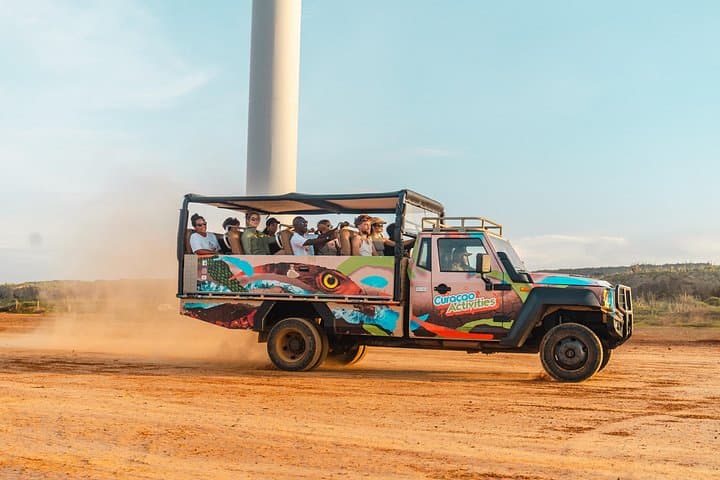
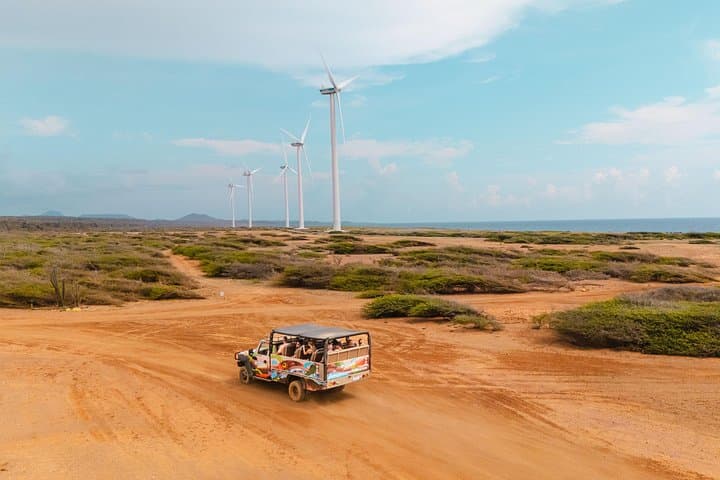
You feel the jeep shift as it leaves the paved road behind—sand sprays, salt air fills the cab and the island opens into the raw Bandabou coast. The route heads west across San Pedro’s plains, up rocky tracks that climb toward the northern bocas where waves crash against black limestone cliffs.
You feel the jeep shift as it leaves the paved road behind—sand sprays, salt air fills the cab and the island opens into the raw Bandabou coast. The route heads west across San Pedro’s plains, up rocky tracks that climb toward the northern bocas where waves crash against black limestone cliffs.
This loop threads living history: plantation ruins, the Kueba di Brua (witch’s cave) with its folk legends, and Museum Savonet inside Christoffel National Park, which interprets the island’s Arawak and plantation-era past. Geology is obvious here—flat coral limestone to the south gives way to uplifted reef and jagged coastal bluffs on the north coast; sinkholes and caves punctuate the route where porous rock met the sea.
Culturally the drive travels through small fishing settlements and scattered farms; guides will weave local stories about salt harvesting, the island’s biodiversity, and how Curaçaoans shaped the landscape.
Practical side: expect a full-day outing (about 6–7 hours) with multiple stops—short walks, a cave visit, museum time, and a beach swim/snorkel. Vehicles are 4x4 jeeps on uneven sandy and rocky tracks; bring sun protection, a swim kit, and sturdy footwear you don’t mind getting dusty. Snorkel gear is provided, but basic snorkeling confidence helps.
Timing matters—take the tour in morning light for cooler driving and clearer snorkel conditions. Respect marine life: no touching coral or turtles, and follow your guide’s instructions when entering surf. The safari offers a mix of adrenaline, coastal scenery, and grounded history—Curaçao’s west side in raw, kinetic motion.