THE ADVENTURE COLLECTIVE® · Independent discovery and booking for outdoor travel

Walk Al-Balad’s coral-stone lanes from mosque courtyards to bustling souqs on this 3–4 hour historical tour of Jeddah’s Old Town. Expect close-up architecture, local coffee, and hands-on market culture with a knowledgeable guide.
Walk Al-Balad’s coral-stone lanes from mosque courtyards to bustling souqs on this 3–4 hour historical tour of Jeddah’s Old Town. Expect close-up architecture, local coffee, and hands-on market culture with a knowledgeable guide.
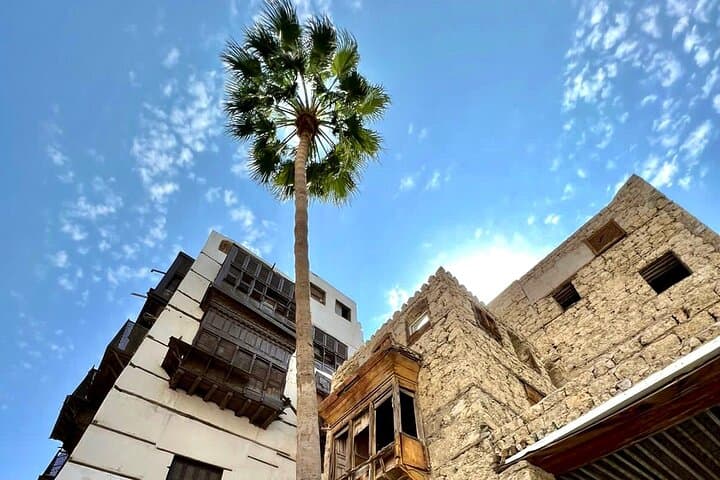
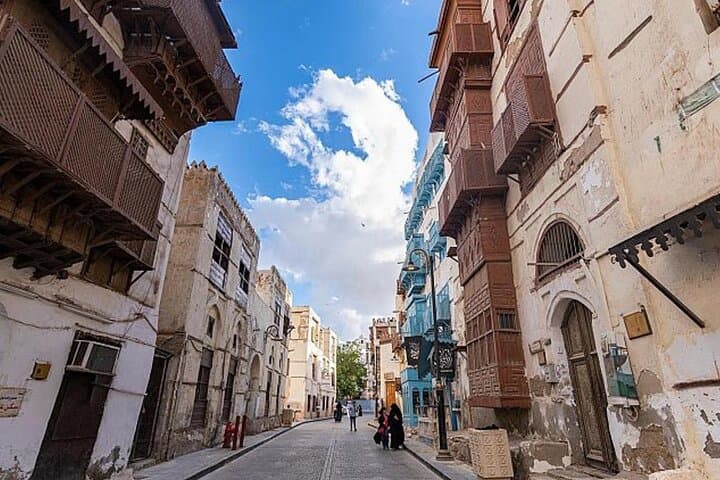
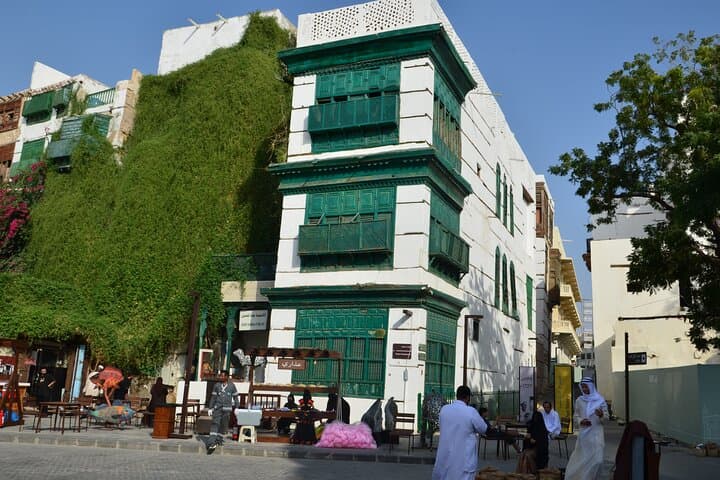
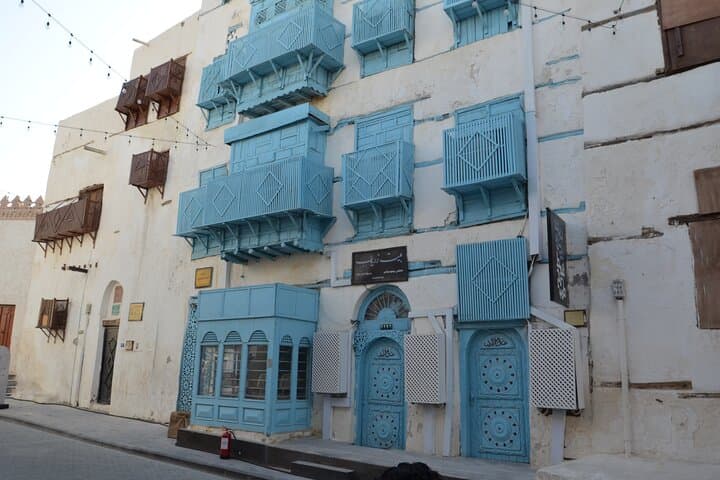
The lane narrows and the city’s stone breathes around you — wind from the nearby Red Sea threads through wooden windows and brings the smell of spices and brewing cardamom coffee. In Al-Balad, Jeddah’s Old Town, coral-stone houses rise with latticed wooden screens and carved doorways; each turn reveals a courtyard, a doorway, a vendor carefully arranging brass and beads.
Verified experiences and guided adventures in the surrounding area.
Operated by Adil · Jeddah, Makkah Province
The lane narrows and the city’s stone breathes around you — wind from the nearby Red Sea threads through wooden windows and brings the smell of spices and brewing cardamom coffee. In Al-Balad, Jeddah’s Old Town, coral-stone houses rise with latticed wooden screens and carved doorways; each turn reveals a courtyard, a doorway, a vendor carefully arranging brass and beads.
This district has been a mercantile crossroads for centuries. Built from coral and lime, the houses and wind towers reflect Hijazi architectural responses to sea humidity and desert heat. Places on the itinerary — Al-Shafi'i Mosque, Nassif House, Matbouli House Museum and the long gold souq off Al Dahab Street — trace Ottoman and pre-oil trade eras and the pilgrim routes that shaped Jeddah’s commerce and culture.
Expect close-quarters walking on uneven flagstones, narrow alleys that funnel sound, and active marketplaces where bargaining is part of the rhythm. Taste local coffee and tea; sample simple street bites and watch craftsmen at work on traditional jewelry and clothing. Photography is rewarding but respect private homes and prayer times.
Practical guidance: schedule this in late afternoon when temperatures dip and the call to prayer adds texture to the souq; carry at least 1L water, sun protection, and modest clothing covering shoulders and knees. Wear grippy, flat shoes for cobbles and short stairs. Guides typically handle admission details; ask about quieter exits if you need a less crowded route. The tour is accessible to most fitness levels but includes standing, short climbs, and tight passageways.
easy.
3–4 hours.
Suitable for most fitness levels; requires walking on uneven cobbles and brief standing periods.
The tour runs about 3–4 hours, covering key sites in Al-Balad with short stops for coffee and market exploration.
Yes—this is an easy-paced walking tour, but expect uneven surfaces and narrow alleys; let the operator know if mobility assistance is needed.
Most mosque visits are external or short stops; confirm if interior access is planned and follow local modesty rules during prayers.
Guides commonly speak Arabic and English on public listings; confirm language availability at booking.
Al-Balad grew as Jeddah’s port and gateway to Mecca; many merchant houses and structures date back several hundred years and reflect Hijazi urban traditions.
Preservation of coral-stone buildings is ongoing — visitors should avoid touching fragile carvings and follow guide instructions to limit wear on narrow lanes.
Adil operates guided outdoor trips and adventures with an emphasis on safety, stewardship, and memorable experiences.
The lane narrows and the city’s stone breathes around you — wind from the nearby Red Sea threads through wooden windows and brings the smell of spices and brewing cardamom coffee. In Al-Balad, Jeddah’s Old Town, coral-stone houses rise with latticed wooden screens and carved doorways; each turn reveals a courtyard, a doorway, a vendor carefully arranging brass and beads.
The lane narrows and the city’s stone breathes around you — wind from the nearby Red Sea threads through wooden windows and brings the smell of spices and brewing cardamom coffee. In Al-Balad, Jeddah’s Old Town, coral-stone houses rise with latticed wooden screens and carved doorways; each turn reveals a courtyard, a doorway, a vendor carefully arranging brass and beads.
This district has been a mercantile crossroads for centuries. Built from coral and lime, the houses and wind towers reflect Hijazi architectural responses to sea humidity and desert heat. Places on the itinerary — Al-Shafi'i Mosque, Nassif House, Matbouli House Museum and the long gold souq off Al Dahab Street — trace Ottoman and pre-oil trade eras and the pilgrim routes that shaped Jeddah’s commerce and culture.
Expect close-quarters walking on uneven flagstones, narrow alleys that funnel sound, and active marketplaces where bargaining is part of the rhythm. Taste local coffee and tea; sample simple street bites and watch craftsmen at work on traditional jewelry and clothing. Photography is rewarding but respect private homes and prayer times.
Practical guidance: schedule this in late afternoon when temperatures dip and the call to prayer adds texture to the souq; carry at least 1L water, sun protection, and modest clothing covering shoulders and knees. Wear grippy, flat shoes for cobbles and short stairs. Guides typically handle admission details; ask about quieter exits if you need a less crowded route. The tour is accessible to most fitness levels but includes standing, short climbs, and tight passageways.