THE ADVENTURE COLLECTIVE® · Independent discovery and booking for outdoor travel

Spend two days on Jebel Shams: a road trip from Muscat, a night under the stars by the rim, then a demanding 24 km summit hike with dramatic canyon views. Ideal for fit hikers who want high-altitude terrain, geology and traditional mountain culture.
Spend two days on Jebel Shams: a road trip from Muscat, a night under the stars by the rim, then a demanding 24 km summit hike with dramatic canyon views. Ideal for fit hikers who want high-altitude terrain, geology and traditional mountain culture.
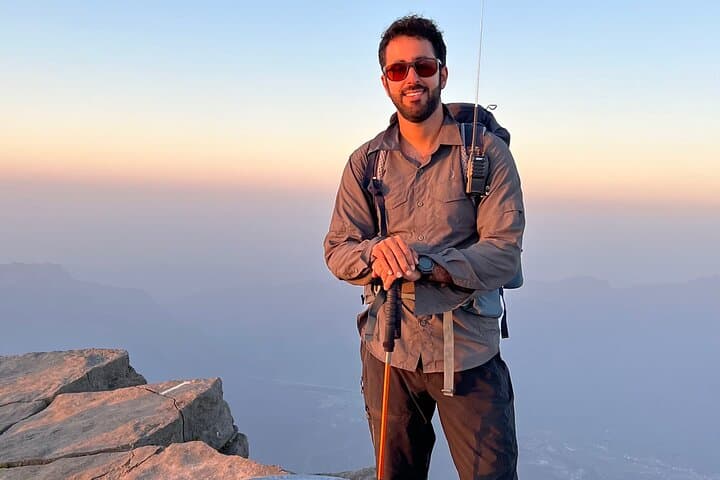
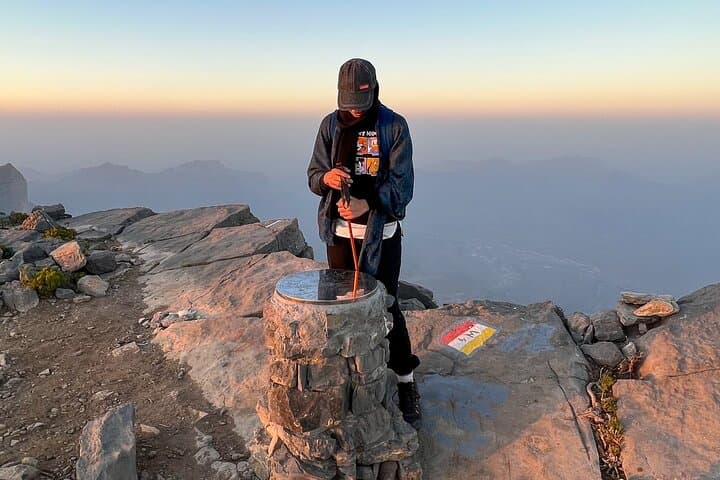
The first light on the Hajar ridgeline strips the night sky into pale blue, and the cliffs of Jebel Shams push a cool wind that seems to dare you forward. On this two-day guided outing the group drives from Muscat, pauses in Al Hamra for supplies, then sets camp near the rim to sleep under a hard, clear desert sky.
Verified experiences and guided adventures in the surrounding area.
Operated by WikiTours Adventures · Al Hamra, Ad Dakhiliyah
The first light on the Hajar ridgeline strips the night sky into pale blue, and the cliffs of Jebel Shams push a cool wind that seems to dare you forward. On this two-day guided outing the group drives from Muscat, pauses in Al Hamra for supplies, then sets camp near the rim to sleep under a hard, clear desert sky.
Geology here reads like an open book: folded and eroded sedimentary layers carved into steep cliffs and terraces over millions of years. The summit—one of Oman’s highest points—looks out over Wadi Ghul, a canyon so raw it feels like the mountain itself exhales. Local villages in the valley reflect an agricultural past: stone houses, terraced palms, and centuries-old irrigation know-how still evident in the landscape.
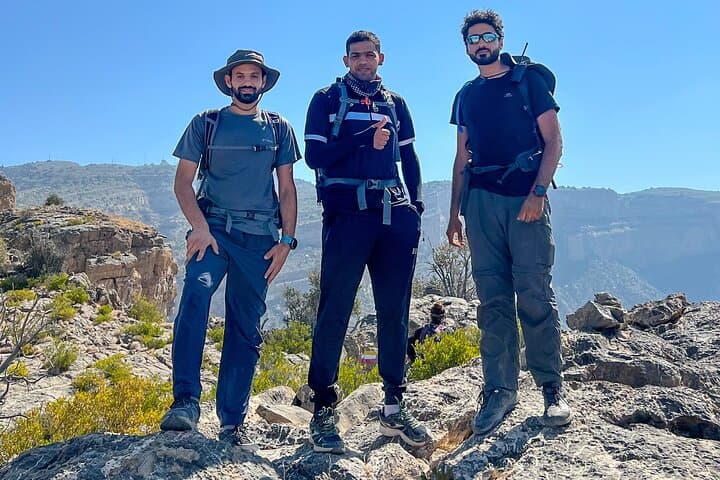
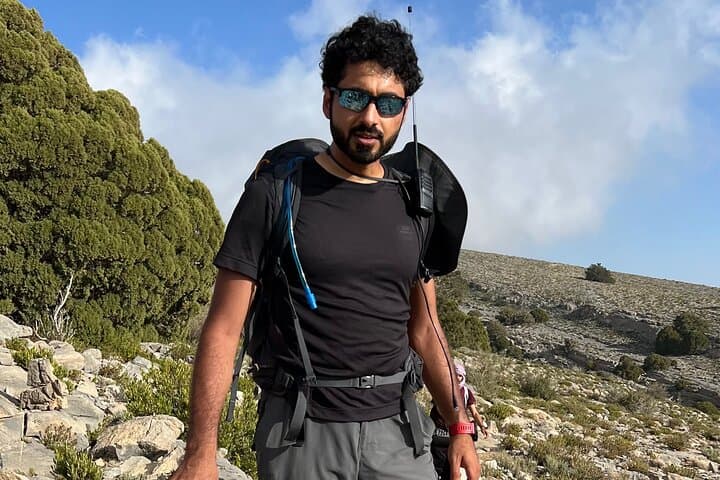
Expect a demanding 24 km round-trip on mixed terrain—rocky trails, loose scree and steep pitches—with significant elevation gain to summit near 3,000 m. The provider supplies a tent, sleeping bag and meals; transport is by air-conditioned vehicle. Breaks are frequent but this is a high-fitness route not suited to walkers new to sustained alpine hiking.
Practicalities: start early on day two to avoid midday sun, carry 3–4 litres of water with electrolytes, wear stiff-soled boots and layered clothing for large temperature swings, and pack a reliable headlamp for pre-dawn movement. Leave no trace at the camp, monitor weather updates, and be prepared to alter plans if conditions change—guides will adjust pace and route for safety.
This trip balances raw mountain exposure with cultural moments in the mountain villages and a clear, uncompromising taste of Oman’s high country.
challenging.
2 days (14–16 hours hiking total).
High level of cardiovascular fitness and endurance for long, sustained uphill hiking at altitude
The guided itinerary covers about 24 km round-trip with substantial elevation gain to a summit near 3,000 m; expect 10–14 hours of active hiking on the second day depending on pace and breaks.
The operator supplies an air-conditioned vehicle, standard tent, sleeping bag, dinner and breakfast; bring personal clothing layers, boots, a daypack, water, snacks, and any required medications.
No; the tour is labelled physically hard and requires high fitness—those with spinal or serious cardiac issues should not attempt it.
Full refund if cancelled at least 24 hours before departure; operators may cancel for bad weather or low travelers and will update conditions before booking.
The Hajar Mountains hold millennia of human occupation—stone villages and terraced farming in valleys reflect long-standing mountain livelihoods.
Water is scarce and vegetation fragile at high elevations—practice leave-no-trace, avoid single-use plastics, and stick to established campsites to reduce erosion.
WikiTours Adventures operates guided outdoor trips and adventures with an emphasis on safety, stewardship, and memorable experiences.
The first light on the Hajar ridgeline strips the night sky into pale blue, and the cliffs of Jebel Shams push a cool wind that seems to dare you forward. On this two-day guided outing the group drives from Muscat, pauses in Al Hamra for supplies, then sets camp near the rim to sleep under a hard, clear desert sky.
The first light on the Hajar ridgeline strips the night sky into pale blue, and the cliffs of Jebel Shams push a cool wind that seems to dare you forward. On this two-day guided outing the group drives from Muscat, pauses in Al Hamra for supplies, then sets camp near the rim to sleep under a hard, clear desert sky.
Geology here reads like an open book: folded and eroded sedimentary layers carved into steep cliffs and terraces over millions of years. The summit—one of Oman’s highest points—looks out over Wadi Ghul, a canyon so raw it feels like the mountain itself exhales. Local villages in the valley reflect an agricultural past: stone houses, terraced palms, and centuries-old irrigation know-how still evident in the landscape.
Expect a demanding 24 km round-trip on mixed terrain—rocky trails, loose scree and steep pitches—with significant elevation gain to summit near 3,000 m. The provider supplies a tent, sleeping bag and meals; transport is by air-conditioned vehicle. Breaks are frequent but this is a high-fitness route not suited to walkers new to sustained alpine hiking.
Practicalities: start early on day two to avoid midday sun, carry 3–4 litres of water with electrolytes, wear stiff-soled boots and layered clothing for large temperature swings, and pack a reliable headlamp for pre-dawn movement. Leave no trace at the camp, monitor weather updates, and be prepared to alter plans if conditions change—guides will adjust pace and route for safety.
This trip balances raw mountain exposure with cultural moments in the mountain villages and a clear, uncompromising taste of Oman’s high country.