THE ADVENTURE COLLECTIVE® · Independent discovery and booking for outdoor travel

Drive from Muscat into the cool Hajar highlands to explore Birkat Al Mauz, terraced fruit orchards and the Saiq Plateau—home to rose cultivation and traditional falaj irrigation. This compact day tour balances short walks, cultural stops and sweeping mountain views.
Drive from Muscat into the cool Hajar highlands to explore Birkat Al Mauz, terraced fruit orchards and the Saiq Plateau—home to rose cultivation and traditional falaj irrigation. This compact day tour balances short walks, cultural stops and sweeping mountain views.
You leave Muscat at first light and the highway slides under the tires as the Hajar range steps forward. The road tightens into switchbacks and, within an hour or two, the air cools; clouds cling to the ridges and the mountain seems to push back at the heat below. Birkat Al Mauz arrives as an oasis of palms and old stone homes, its falaj channels whispering through gardens before the climb continues to the Saiq Plateau.
Verified experiences and guided adventures in the surrounding area.
Operated by السحر العربي للسياحه Magic Arabia · Nizwa, Ad Dakhiliyah
You leave Muscat at first light and the highway slides under the tires as the Hajar range steps forward. The road tightens into switchbacks and, within an hour or two, the air cools; clouds cling to the ridges and the mountain seems to push back at the heat below. Birkat Al Mauz arrives as an oasis of palms and old stone homes, its falaj channels whispering through gardens before the climb continues to the Saiq Plateau.
Geology here is raw: folded limestone and ophiolite outcrops shaped by uplift and erosion, producing steep wadi walls and bench terraces where humans have carved arable niches. Centuries-old falaj irrigation and terraced fields make the slopes farmable, and the plateau’s milder climate supports apricots, peaches, pomegranates and the scented roses used for rose water production. Local villages maintain traditional stone architecture and agricultural rhythms; vendors may pause the day to hand-sift rose petals or offer small jars of distilled rose water.
Expect paved roads that narrow and a few steep, unprotected viewpoints where a 4WD’s stability matters. The tour typically runs 8 hours round-trip from Muscat, with short walks between viewpoints and village lanes rather than long treks—bring sturdy shoes for uneven village paths. Hydrate for the altitude change, layer for a 10–15°C temperature swing, and carry cash for small purchases. Photography is welcomed but ask before shooting people. The day combines geology, culture and hands-on agricultural heritage in an accessible package—an efficient way to experience the cooler side of Oman’s Hajar Mountains.
moderate.
8 hours (full day).
Moderate fitness for short hikes, uneven village paths and time spent standing at viewpoints
Expect roughly 2–3 hours each way depending on traffic and stops; the full experience is an 8-hour day tour.
Yes—children can join but must be accompanied by an adult; note the minimum booking policy and that steep roadside viewpoints have limited barriers.
A boxed lunch (sandwich and fruit) plus snacks and bottled water are typically included; bring extra snacks if you prefer more variety.
Yes—tour operators require a current valid passport on the day of travel; confirm any visa requirements before arrival.
The plateau’s villages developed around falaj irrigation systems and terrace agriculture that have supported mountain communities for centuries; rose cultivation became important in the 20th century.
The highland ecosystems are fragile—stay on paths, avoid disturbing terraces, and take all litter with you to protect water sources.
السحر العربي للسياحه Magic Arabia operates guided outdoor trips and adventures with an emphasis on safety, stewardship, and memorable experiences.
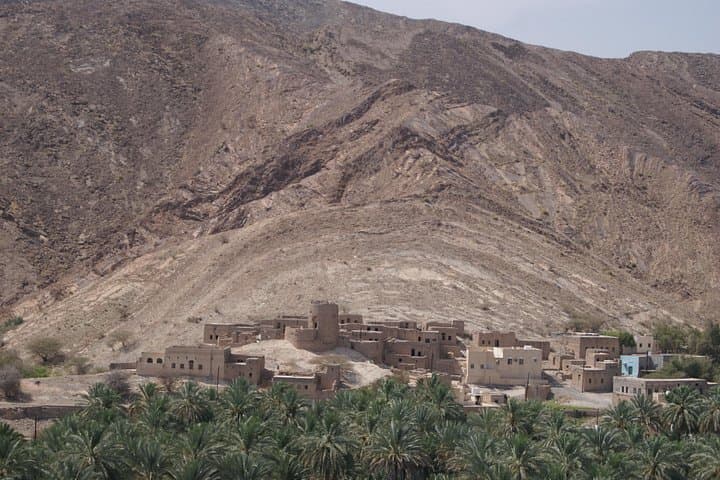
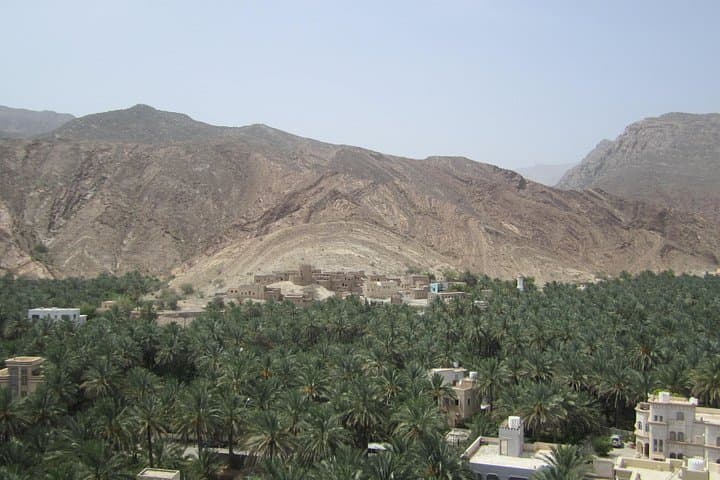
You leave Muscat at first light and the highway slides under the tires as the Hajar range steps forward. The road tightens into switchbacks and, within an hour or two, the air cools; clouds cling to the ridges and the mountain seems to push back at the heat below. Birkat Al Mauz arrives as an oasis of palms and old stone homes, its falaj channels whispering through gardens before the climb continues to the Saiq Plateau.
You leave Muscat at first light and the highway slides under the tires as the Hajar range steps forward. The road tightens into switchbacks and, within an hour or two, the air cools; clouds cling to the ridges and the mountain seems to push back at the heat below. Birkat Al Mauz arrives as an oasis of palms and old stone homes, its falaj channels whispering through gardens before the climb continues to the Saiq Plateau.
Geology here is raw: folded limestone and ophiolite outcrops shaped by uplift and erosion, producing steep wadi walls and bench terraces where humans have carved arable niches. Centuries-old falaj irrigation and terraced fields make the slopes farmable, and the plateau’s milder climate supports apricots, peaches, pomegranates and the scented roses used for rose water production. Local villages maintain traditional stone architecture and agricultural rhythms; vendors may pause the day to hand-sift rose petals or offer small jars of distilled rose water.
Expect paved roads that narrow and a few steep, unprotected viewpoints where a 4WD’s stability matters. The tour typically runs 8 hours round-trip from Muscat, with short walks between viewpoints and village lanes rather than long treks—bring sturdy shoes for uneven village paths. Hydrate for the altitude change, layer for a 10–15°C temperature swing, and carry cash for small purchases. Photography is welcomed but ask before shooting people. The day combines geology, culture and hands-on agricultural heritage in an accessible package—an efficient way to experience the cooler side of Oman’s Hajar Mountains.