THE ADVENTURE COLLECTIVE® · Independent discovery and booking for outdoor travel

Drive from Muscat into the cool Hajar highlands for an 8-hour private tour through Birkat Al Mouz, Jebel Akhdar’s Saiq Plateau and the cliffside Al Suwara (Al Suwjara) village. Explore ancient aflaj irrigation, mountain terraces and traditional stone houses with a local guide.
Drive from Muscat into the cool Hajar highlands for an 8-hour private tour through Birkat Al Mouz, Jebel Akhdar’s Saiq Plateau and the cliffside Al Suwara (Al Suwjara) village. Explore ancient aflaj irrigation, mountain terraces and traditional stone houses with a local guide.
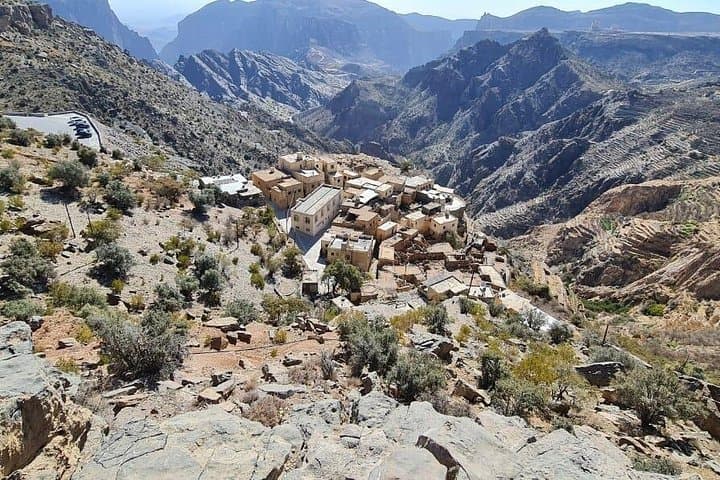
You step out of Muscat’s lowland heat into a road that climbs the spine of the Hajar range, the air growing cooler as parked terraces and stone houses come into view. Birkat Al Mouz appears at the mountain’s foot — old mud-brick homes watching a network of narrow aflaj channels that still move water the way villagers have directed it for centuries.
Verified experiences and guided adventures in the surrounding area.
Operated by Sunshine Tours Oman · Nizwa, Ad Dakhiliyah Governorate
You step out of Muscat’s lowland heat into a road that climbs the spine of the Hajar range, the air growing cooler as parked terraces and stone houses come into view. Birkat Al Mouz appears at the mountain’s foot — old mud-brick homes watching a network of narrow aflaj channels that still move water the way villagers have directed it for centuries.
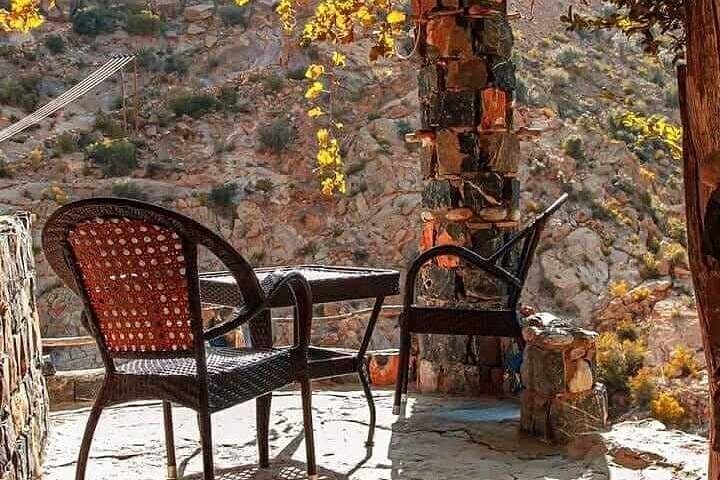
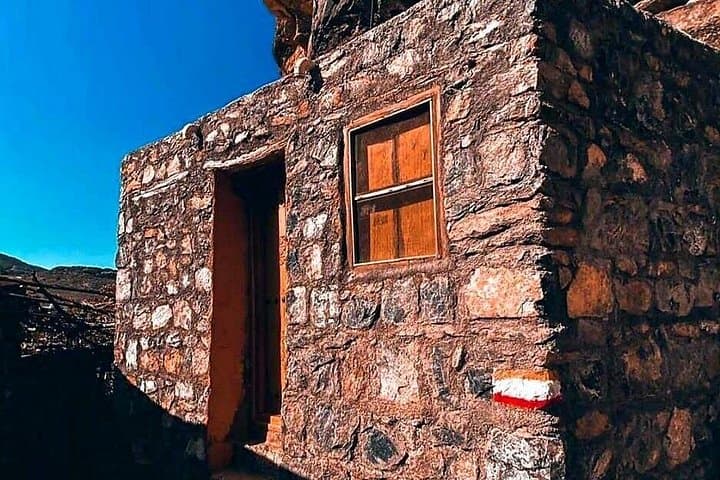
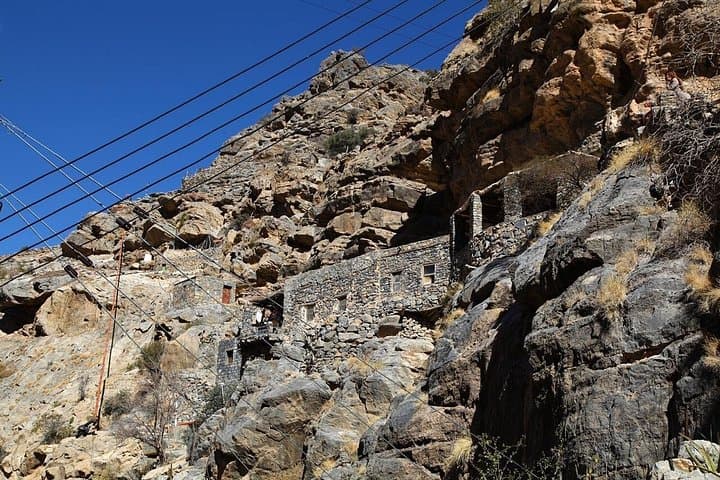
This day tour threads history and geology: the Aflaj irrigation systems here reflect water engineering with roots in ancient Qanat techniques, while Jebel Akhdar’s limestone cliffs and Saiq Plateau (around 2,000 m) create a cooler microclimate where pomegranate trees, roses and fruit terraces thrive. Al Suwara (Al Suwjara) Village is a live example of vernacular stone architecture—old homes perched on a ledge reached by wooden bridges and steep steps; the Cliff Guest House offers close-range views of the canyon’s drop.
Expect a mix of short walks, viewpoint stops (including Diana Point), and time inside a restored village where local families maintain traditional cooking and crafts. The road includes switchbacks and gravel sections best handled in a 4x4.
Practical guidance: wear sturdy shoes for uneven steps, bring sun protection and at least 2 liters of water, and carry local cash for small purchases. Allow time for altitude adjustment on the plateau and move deliberately on exposed paths. The route is suitable for most fitness levels but not recommended for travelers with serious back or cardiovascular issues; pregnant travelers should avoid strenuous sections. Respect private homes, follow guides’ directions on trails, and leave no trace to protect this fragile mountain landscape.
moderate.
8 hours.
Suitable for travelers in light to moderate physical condition who can manage short steep sections and stairs; minimal sustained exertion required.
The tour runs about 8 hours with several short walks and viewpoint stops; pacing is relaxed but includes some steep steps and short climbs.
Much of the ascent uses paved switchbacks, but higher sections and access to viewpoints can be gravel; the tour uses a 4x4 for comfort and safety.
Basic facilities and village cafés exist at Al Suwara and on the Saiq Plateau; bring snacks and water for flexibility.
Elevation reaches around 2,000 meters—most visitors acclimate fine, but move slowly if you feel short of breath and stay hydrated.
The region’s terraces and the Aflaj irrigation system reflect centuries of agricultural adaptation; Al Suwara’s cliff village dates back over 500 years with stone construction methods preserved on-site.
Jebel Akhdar’s highland ecosystems are fragile—stick to paths, avoid disturbing terraces and minimize water use to support local conservation efforts.
Sunshine Tours Oman operates guided outdoor trips and adventures with an emphasis on safety, stewardship, and memorable experiences.
You step out of Muscat’s lowland heat into a road that climbs the spine of the Hajar range, the air growing cooler as parked terraces and stone houses come into view. Birkat Al Mouz appears at the mountain’s foot — old mud-brick homes watching a network of narrow aflaj channels that still move water the way villagers have directed it for centuries.
You step out of Muscat’s lowland heat into a road that climbs the spine of the Hajar range, the air growing cooler as parked terraces and stone houses come into view. Birkat Al Mouz appears at the mountain’s foot — old mud-brick homes watching a network of narrow aflaj channels that still move water the way villagers have directed it for centuries.
This day tour threads history and geology: the Aflaj irrigation systems here reflect water engineering with roots in ancient Qanat techniques, while Jebel Akhdar’s limestone cliffs and Saiq Plateau (around 2,000 m) create a cooler microclimate where pomegranate trees, roses and fruit terraces thrive. Al Suwara (Al Suwjara) Village is a live example of vernacular stone architecture—old homes perched on a ledge reached by wooden bridges and steep steps; the Cliff Guest House offers close-range views of the canyon’s drop.
Expect a mix of short walks, viewpoint stops (including Diana Point), and time inside a restored village where local families maintain traditional cooking and crafts. The road includes switchbacks and gravel sections best handled in a 4x4.
Practical guidance: wear sturdy shoes for uneven steps, bring sun protection and at least 2 liters of water, and carry local cash for small purchases. Allow time for altitude adjustment on the plateau and move deliberately on exposed paths. The route is suitable for most fitness levels but not recommended for travelers with serious back or cardiovascular issues; pregnant travelers should avoid strenuous sections. Respect private homes, follow guides’ directions on trails, and leave no trace to protect this fragile mountain landscape.