THE ADVENTURE COLLECTIVE® · Independent discovery and booking for outdoor travel

Walk the UNESCO-listed Jatiluwih rice terraces with a private guide and discover Bali’s subak irrigation, temple shrines and working countryside on an accessible two-hour trek. Expect panoramic ridge views, intimate cultural stops and a village lunch.
Walk the UNESCO-listed Jatiluwih rice terraces with a private guide and discover Bali’s subak irrigation, temple shrines and working countryside on an accessible two-hour trek. Expect panoramic ridge views, intimate cultural stops and a village lunch.
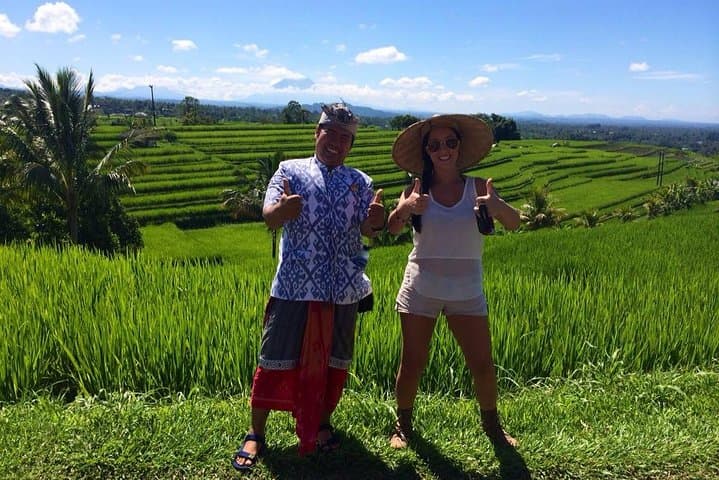
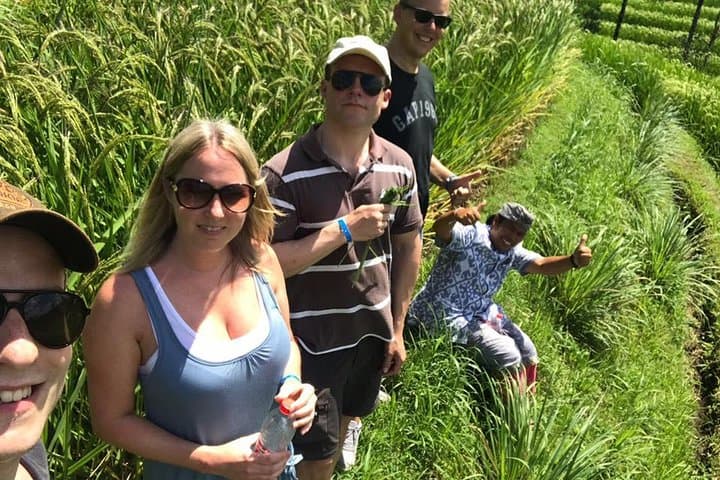
You step from the shade of a fragrant roadside warung onto a narrow dirt track and the terraces open like a stepped ocean, each flooded bench reflecting the sky. The air holds the clean scent of wet earth and young rice; local farmers move with deliberate rhythm, guiding wooden plows or tending seedlings. The walk threads between fields, small irrigation canals and mossy shrine stones, with a distant line of mountains opening through morning mist.
Verified experiences and guided adventures in the surrounding area.
Operated by Agus Bali Private Tours · Jatiluwih, Bali
You step from the shade of a fragrant roadside warung onto a narrow dirt track and the terraces open like a stepped ocean, each flooded bench reflecting the sky. The air holds the clean scent of wet earth and young rice; local farmers move with deliberate rhythm, guiding wooden plows or tending seedlings. The walk threads between fields, small irrigation canals and mossy shrine stones, with a distant line of mountains opening through morning mist.
Jatiluwih is part of Bali’s historic subak system — a cooperative irrigation network managed by communities for centuries and recognized by UNESCO for its cultural landscape. The terraces follow volcanic contours, carved into slopes of old lava flows and andesite soils; water flows here are engineered as much by law and custom as by channels. Along the route you’ll pass modest family temples and see rice varieties at different growth stages, a living lesson in agrarian ritual and geology.
Practical guidance: the core trek is about 2 hours on mostly flat-to-rolling packed-earth paths with occasional stone steps and narrow ridgelines. Expect exposed sun and potentially slick mud after rain; bring a brimmed hat, good-grip shoes, and water. The guide will stop frequently to explain subak, point out irrigation gates and introduce local customs — be respectful at shrines and avoid walking through planted paddy plots.
Timing matters: early morning light and cooler temps make for better photos and quieter trails. Finish at a village warung for a simple lunch of local flavors, then return to your pickup with a clearer sense of how landscape, culture and community shape Bali’s rice country.
moderate.
6–8 hours total (including transfer and lunch); ~2 hours walking.
Moderate fitness: able to walk uneven dirt trails with short rises for a couple of hours
The guided trek through the terraces is about two hours with multiple short stops for explanations and photos.
Yes if they have reasonable mobility; the route is not technical but requires balance on narrow paths and occasional steps.
The tour typically includes private vehicle pickup from selected hotels; confirm pickup details at booking.
Basic village facilities and warungs provide toilets, but bring hand sanitizer and small change for use.
Jatiluwih’s terraces are part of Bali’s traditional subak cooperative irrigation system, inscribed by UNESCO for its cultural landscape and centuries-old water management practices.
The subak system depends on community stewardship; stick to paths, minimize plastic waste and support local vendors to contribute to sustainable tourism.
Agus Bali Private Tours operates guided outdoor trips and adventures with an emphasis on safety, stewardship, and memorable experiences.
You step from the shade of a fragrant roadside warung onto a narrow dirt track and the terraces open like a stepped ocean, each flooded bench reflecting the sky. The air holds the clean scent of wet earth and young rice; local farmers move with deliberate rhythm, guiding wooden plows or tending seedlings. The walk threads between fields, small irrigation canals and mossy shrine stones, with a distant line of mountains opening through morning mist.
You step from the shade of a fragrant roadside warung onto a narrow dirt track and the terraces open like a stepped ocean, each flooded bench reflecting the sky. The air holds the clean scent of wet earth and young rice; local farmers move with deliberate rhythm, guiding wooden plows or tending seedlings. The walk threads between fields, small irrigation canals and mossy shrine stones, with a distant line of mountains opening through morning mist.
Jatiluwih is part of Bali’s historic subak system — a cooperative irrigation network managed by communities for centuries and recognized by UNESCO for its cultural landscape. The terraces follow volcanic contours, carved into slopes of old lava flows and andesite soils; water flows here are engineered as much by law and custom as by channels. Along the route you’ll pass modest family temples and see rice varieties at different growth stages, a living lesson in agrarian ritual and geology.
Practical guidance: the core trek is about 2 hours on mostly flat-to-rolling packed-earth paths with occasional stone steps and narrow ridgelines. Expect exposed sun and potentially slick mud after rain; bring a brimmed hat, good-grip shoes, and water. The guide will stop frequently to explain subak, point out irrigation gates and introduce local customs — be respectful at shrines and avoid walking through planted paddy plots.
Timing matters: early morning light and cooler temps make for better photos and quieter trails. Finish at a village warung for a simple lunch of local flavors, then return to your pickup with a clearer sense of how landscape, culture and community shape Bali’s rice country.