THE ADVENTURE COLLECTIVE® · Independent discovery and booking for outdoor travel

Spend a private day from Ubud visiting Taman Ayun, Sangeh Monkey Forest, Ulun Danu Beratan, and the UNESCO-listed Jatiluwih rice terraces—history, culture, and dramatic agricultural landscapes in one loop.
Spend a private day from Ubud visiting Taman Ayun, Sangeh Monkey Forest, Ulun Danu Beratan, and the UNESCO-listed Jatiluwih rice terraces—history, culture, and dramatic agricultural landscapes in one loop.
You step out of the minivan as mist peels off the mountain slopes and the first terrace lines of Jatiluwih spread before you like a deliberately ordered map. The rice paddies slope away in neat benches, water glinting and the irrigation channels—part of Bali’s ancient subak system—moving with an almost willful purpose.
Verified experiences and guided adventures in the surrounding area.
Operated by Sindu Bali Driver · Ubud, Bali
You step out of the minivan as mist peels off the mountain slopes and the first terrace lines of Jatiluwih spread before you like a deliberately ordered map. The rice paddies slope away in neat benches, water glinting and the irrigation channels—part of Bali’s ancient subak system—moving with an almost willful purpose.
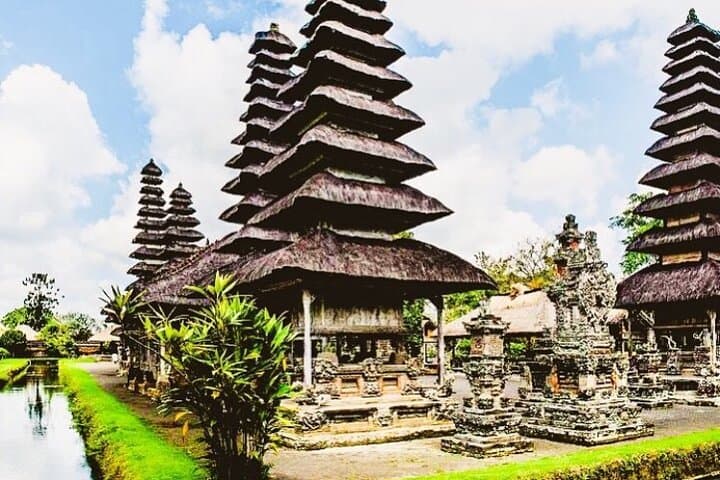
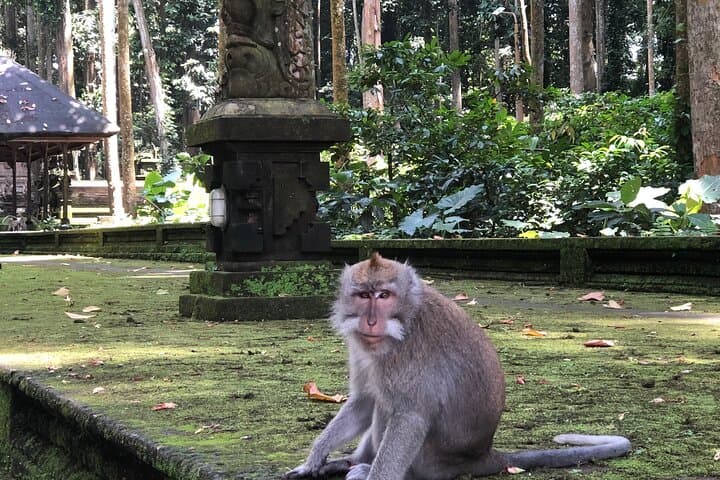
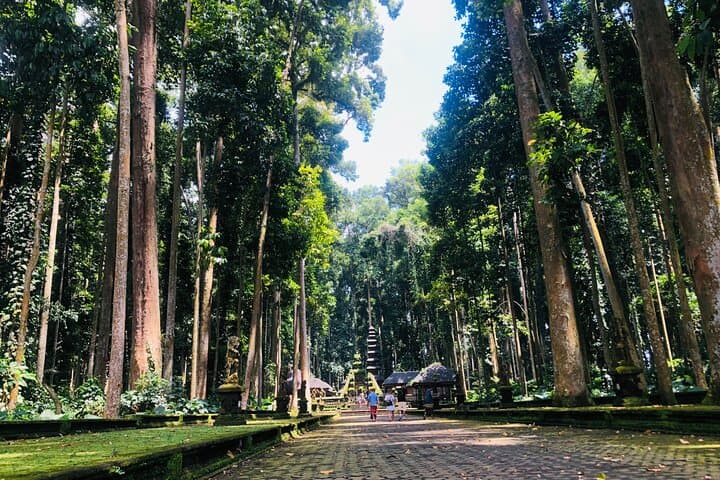
The tour threads through Taman Ayun, where 17th-century stone courtyards recall the Mengwi kingdom’s ritual life, then slips into Sangeh’s grove where macaques patrol the roots of towering nutmeg trees and the temple stones hold centuries of local lore.
At Ulun Danu Beratan the lake claims the shrine: low clouds and green peaks frame the multi-tiered meru and water lilies, and the temple sits as if held by the lake’s slow, patient current.
History here is practical—irrigation laws, royal family temples, and community-managed rice fields that earned Jatiluwih UNESCO status for its living agricultural system. Geology is visible in the way volcanic slopes shape microclimates across short distances; culture appears in sarongs and offerings at temple thresholds.
Practicalities: this is a private, full-day outing (about 10 hours) with driver-guide transport and bottled water included; expect moderate walking over packed soil, stone steps, and roadside viewpoints. Bring sturdy shoes, a temple sarong (provided but bring a quick layer), sun protection, and some cash for small entrance fees and local snacks.
Timing matters—early light at Jatiluwih and late-afternoon calm at Beratan give the best photos and quieter temple visits.
moderate.
10 hours.
Moderately fit: able to walk short uneven trails and climb stone steps several times during the day
Most small entrance fees and parking at sites are often not included; the tour listing notes the driver and guide are included but check specifics on tickets.
Yes if they can manage short walks and steps; the tour is private and can be paced, but travelers with limited mobility should notify the operator in advance.
A sarong is required for temple visits; the tour indicates sarongs are provided, but bringing your own ensures a comfortable fit.
There are basic restaurants and restrooms at tourist stops; bring small change for toilets in rural areas and expect simple local meals if included.
The itinerary traces Mengwi kingdom sites and the subak communal irrigation system—Jatiluwih’s terraces reflect centuries of coordinated water management recognized by UNESCO.
Jatiluwih’s UNESCO status highlights community stewardship; visitors are asked to stay on paths to protect terraces and follow local rules at temples to minimize impact.
Sindu Bali Driver operates guided outdoor trips and adventures with an emphasis on safety, stewardship, and memorable experiences.
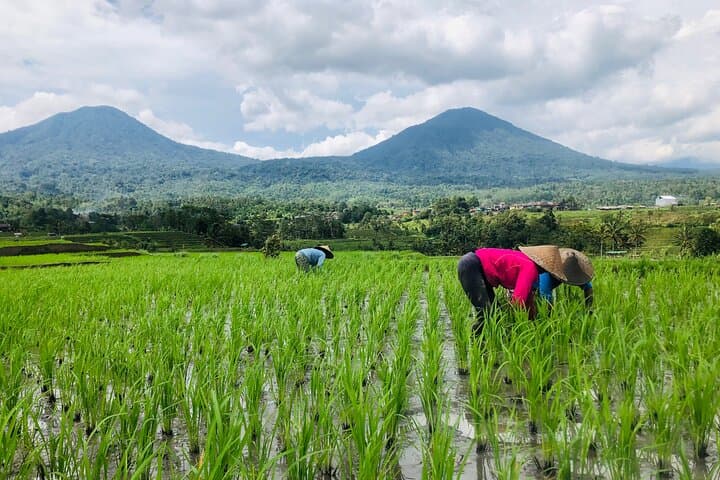
You step out of the minivan as mist peels off the mountain slopes and the first terrace lines of Jatiluwih spread before you like a deliberately ordered map. The rice paddies slope away in neat benches, water glinting and the irrigation channels—part of Bali’s ancient subak system—moving with an almost willful purpose.
You step out of the minivan as mist peels off the mountain slopes and the first terrace lines of Jatiluwih spread before you like a deliberately ordered map. The rice paddies slope away in neat benches, water glinting and the irrigation channels—part of Bali’s ancient subak system—moving with an almost willful purpose.
The tour threads through Taman Ayun, where 17th-century stone courtyards recall the Mengwi kingdom’s ritual life, then slips into Sangeh’s grove where macaques patrol the roots of towering nutmeg trees and the temple stones hold centuries of local lore.
At Ulun Danu Beratan the lake claims the shrine: low clouds and green peaks frame the multi-tiered meru and water lilies, and the temple sits as if held by the lake’s slow, patient current.
History here is practical—irrigation laws, royal family temples, and community-managed rice fields that earned Jatiluwih UNESCO status for its living agricultural system. Geology is visible in the way volcanic slopes shape microclimates across short distances; culture appears in sarongs and offerings at temple thresholds.
Practicalities: this is a private, full-day outing (about 10 hours) with driver-guide transport and bottled water included; expect moderate walking over packed soil, stone steps, and roadside viewpoints. Bring sturdy shoes, a temple sarong (provided but bring a quick layer), sun protection, and some cash for small entrance fees and local snacks.
Timing matters—early light at Jatiluwih and late-afternoon calm at Beratan give the best photos and quieter temple visits.