THE ADVENTURE COLLECTIVE® · Independent discovery and booking for outdoor travel

Wander the UNESCO-listed Jatiluwih rice terraces at your own pace with a local audio guide. This self-guided walking tour pairs mapped routes and narrated insights about Subak irrigation, local rice varieties, and Balinese farming customs.
Wander the UNESCO-listed Jatiluwih rice terraces at your own pace with a local audio guide. This self-guided walking tour pairs mapped routes and narrated insights about Subak irrigation, local rice varieties, and Balinese farming customs.
You step off the narrow village road and the terraces open—shelves of green folding down the slope, water channels bright as veins. Wind moves across the paddies and the faint rhythm of distant hoes marks the workday; the air carries coconut and wet earth. An audio narrator—your local guide Ibu Febri—begins to speak through your headphones, pointing out rice strains, rituals, and the Subak canals that make these fields breathe.
Verified experiences and guided adventures in the surrounding area.
Operated by VoiceMap Audio Tours · Jatiluwih, Bali
You step off the narrow village road and the terraces open—shelves of green folding down the slope, water channels bright as veins. Wind moves across the paddies and the faint rhythm of distant hoes marks the workday; the air carries coconut and wet earth. An audio narrator—your local guide Ibu Febri—begins to speak through your headphones, pointing out rice strains, rituals, and the Subak canals that make these fields breathe.
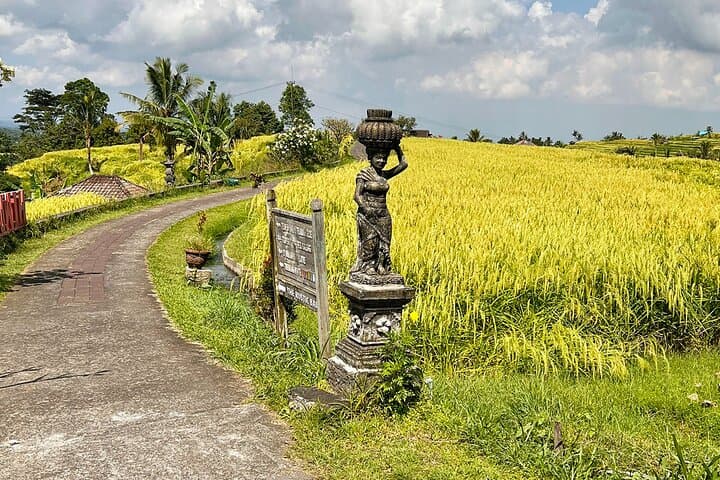
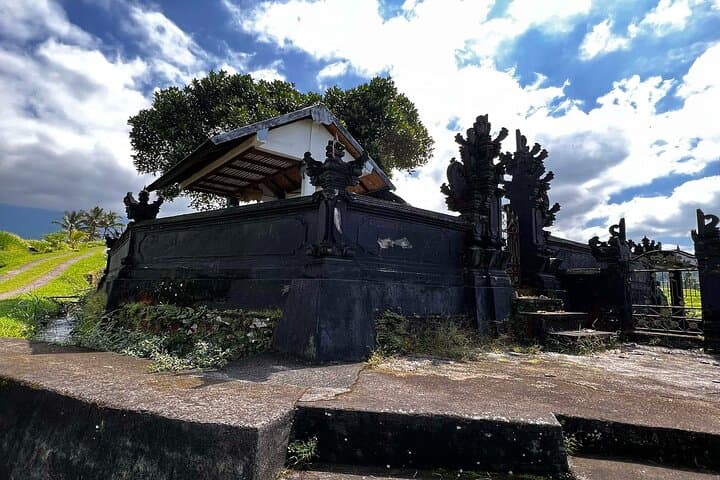
This landscape is part geology, part human engineering: volcanic soils from Bali’s peaks feed the terraces while the Subak cooperative irrigation system, practiced for centuries, earned UNESCO recognition in 2012. You’ll learn about Dewi Sri, the rice goddess, and how planting calendars and communal water rules shape village life. Along the way small warungs, coconut palms and statues dedicated to local deities punctuate the view.
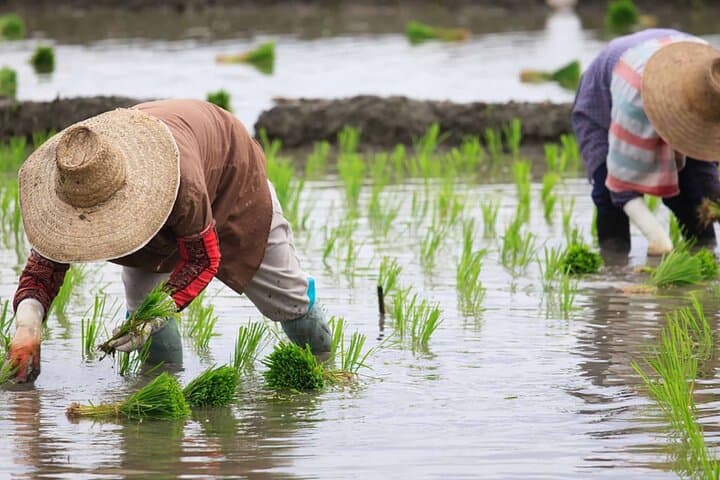
The route follows marked local tracks—the Blue and Red loops—across hilly terrain. Expect gentle climbs and packed earth paths that can be slippery after rain. The experience is as much cultural: listening to stories about harvest cycles and tasting roadside snacks helps connect the scenery to daily life.
Practical guidance: install the VoiceMap app, enter your unique code, and download offline maps before you go. Plan 60–90 minutes for a complete loop but allow extra time to linger at viewpoints and photograph terraces. Wear sturdy shoes, bring sun protection and water, and respect farmers by staying on designated paths. There’s no entry included with the audio tour—check local access points and small fees when arriving. Early morning or late afternoon offers the best light and cooler walking conditions.
moderate.
1–1.5 hours.
Suitable for most people with basic walking fitness; expect short climbs and uneven surfaces.
This audio tour does not include physical entry fees; some entry points or viewpoints may charge a small local fee—bring cash (small denominations).
Install VoiceMap on Android or iOS, enter the unique code sent after booking, and download the tour for offline use; the app uses GPS to play segments automatically when you reach points of interest.
Yes—routes are family-friendly, but supervision is recommended near water channels and steep drops; mobility limitations may make some sections difficult.
The dry months (June–September) offer clearer skies and firmer paths; early morning or late afternoon gives the best light and cooler temperatures.
The Subak irrigation system reflects centuries of cooperative water management in Bali and was inscribed by UNESCO as a cultural landscape in 2012.
Stick to paths, avoid trampling seedlings, and support local businesses; small visitor fees often contribute to community maintenance and preservation.
VoiceMap Audio Tours operates guided outdoor trips and adventures with an emphasis on safety, stewardship, and memorable experiences.
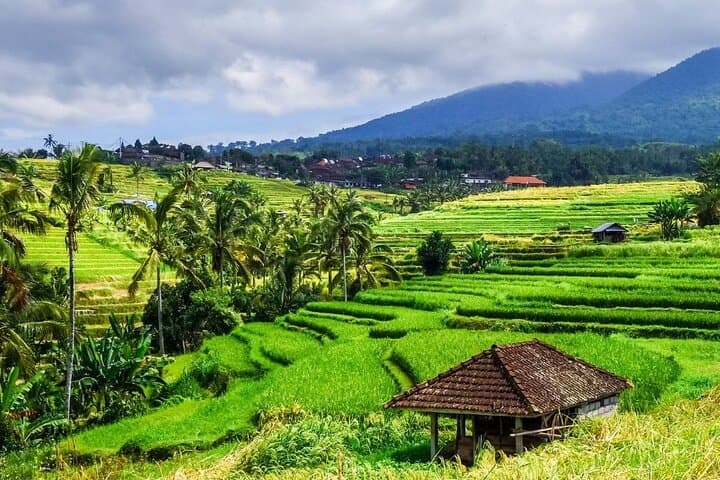
You step off the narrow village road and the terraces open—shelves of green folding down the slope, water channels bright as veins. Wind moves across the paddies and the faint rhythm of distant hoes marks the workday; the air carries coconut and wet earth. An audio narrator—your local guide Ibu Febri—begins to speak through your headphones, pointing out rice strains, rituals, and the Subak canals that make these fields breathe.
You step off the narrow village road and the terraces open—shelves of green folding down the slope, water channels bright as veins. Wind moves across the paddies and the faint rhythm of distant hoes marks the workday; the air carries coconut and wet earth. An audio narrator—your local guide Ibu Febri—begins to speak through your headphones, pointing out rice strains, rituals, and the Subak canals that make these fields breathe.
This landscape is part geology, part human engineering: volcanic soils from Bali’s peaks feed the terraces while the Subak cooperative irrigation system, practiced for centuries, earned UNESCO recognition in 2012. You’ll learn about Dewi Sri, the rice goddess, and how planting calendars and communal water rules shape village life. Along the way small warungs, coconut palms and statues dedicated to local deities punctuate the view.
The route follows marked local tracks—the Blue and Red loops—across hilly terrain. Expect gentle climbs and packed earth paths that can be slippery after rain. The experience is as much cultural: listening to stories about harvest cycles and tasting roadside snacks helps connect the scenery to daily life.
Practical guidance: install the VoiceMap app, enter your unique code, and download offline maps before you go. Plan 60–90 minutes for a complete loop but allow extra time to linger at viewpoints and photograph terraces. Wear sturdy shoes, bring sun protection and water, and respect farmers by staying on designated paths. There’s no entry included with the audio tour—check local access points and small fees when arriving. Early morning or late afternoon offers the best light and cooler walking conditions.