THE ADVENTURE COLLECTIVE® · Independent discovery and booking for outdoor travel

Pedal quiet lanes from Batukaru to Jatiluwih on an electric mountain bike, then explore off-trail rice terraces by foot. This full-day program combines easy powered cycling, an authentic Balinese lunch and a 2–2.5 hour trek through UNESCO-protected fields.
Pedal quiet lanes from Batukaru to Jatiluwih on an electric mountain bike, then explore off-trail rice terraces by foot. This full-day program combines easy powered cycling, an authentic Balinese lunch and a 2–2.5 hour trek through UNESCO-protected fields.
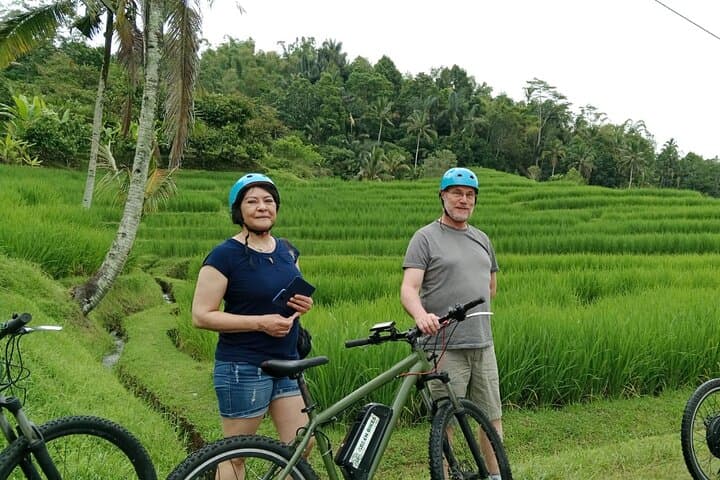
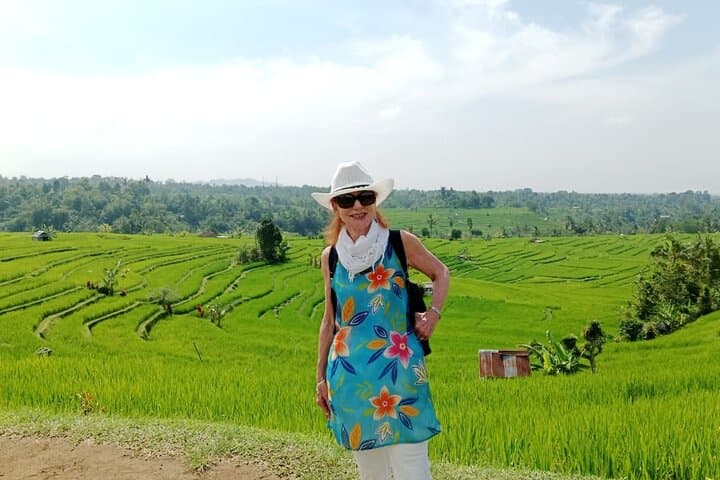
You start the day with cool mountain air tugging at the collar as an electric bike hums to life at the foot of Batukaru temple. Narrow lanes slip past bamboo stands and small villages; the valley opens and the rice terraces of Jatiluwih spread like stepped green waves, each contour holding water and purpose.
Verified experiences and guided adventures in the surrounding area.
Operated by Green Bikes Bali · Jatiluwih, Bali
You start the day with cool mountain air tugging at the collar as an electric bike hums to life at the foot of Batukaru temple. Narrow lanes slip past bamboo stands and small villages; the valley opens and the rice terraces of Jatiluwih spread like stepped green waves, each contour holding water and purpose.
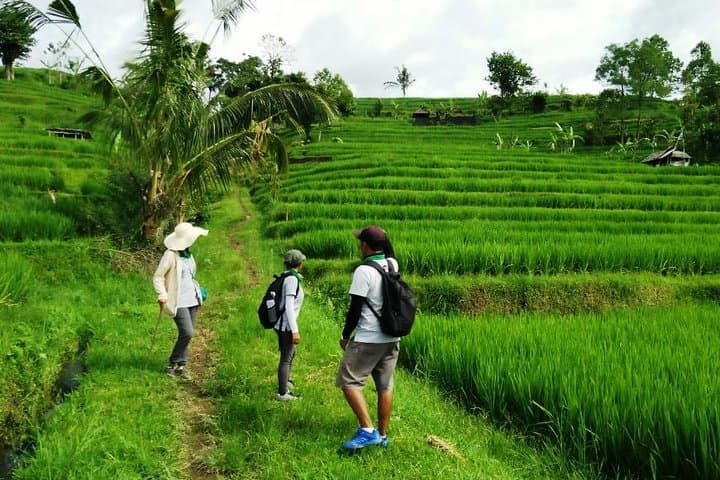
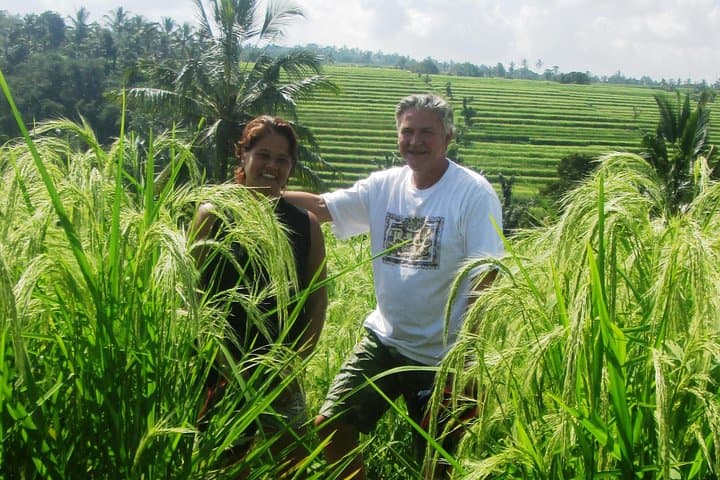
Geology here is recent volcanic soil from Bali’s extinct cones; the terraces sit in a shallow caldera fed by streams that farmers divert with the island’s ancient subak irrigation system — a communal practice recognized by UNESCO. Local guides, born in these villages, explain crop cycles, rice types and the social rules that keep terraces productive. You’ll pass family plots where farmers work with simple tools and exchange greetings that feel like permission to slow down.
After a two-hour e-bike roll on quiet country roads you’ll eat nasi campur in a cafe with field views. The afternoon trek pushes off the tourist trails: narrow footpaths dropping into gullies, footbridges over small rivers and a close-up look at irrigation channels and roadside flora. The route is uneven but avoidably steep in places; the reward is long-shelf views across the valley and the steady sound of water moving through human-made channels.
Practical tips: start early to avoid midday heat and bring sun protection and sturdy shoes for the trek. The ebikes smooth climbs but still need basic handling; guides provide helmets and local knowledge. Respect planted fields, follow the guide’s route and pack out any trash — the terraces are productive land, not a photo prop.
moderate.
7 hours.
Suitable for travelers with decent mobility; expect light-to-moderate aerobic effort during climbs and 2–2.5 hours of walking on uneven terrain.
Yes—these are pedal-assist mountain e-bikes designed for beginners; guides give a brief orientation and assistance if needed.
The 2–2.5 hour trek includes uneven paths and some short descents/ascents; it’s moderate but manageable for most people who can walk for several hours.
Traditional nasi campur is offered; operators typically accommodate common requests if notified in advance—declare dietary needs at booking.
Drive times vary but expect roughly 1–1.5 hours each way from central Ubud depending on traffic and exact pickup point.
The terraces are part of Bali’s subak system—an irrigation and social institution dating back centuries, recognized by UNESCO for its cultural landscape.
The site faces pressure from tourism and changing land use; staying on trails, supporting local guides and dining locally helps preserve both landscape and livelihoods.
Green Bikes Bali operates guided outdoor trips and adventures with an emphasis on safety, stewardship, and memorable experiences.
You start the day with cool mountain air tugging at the collar as an electric bike hums to life at the foot of Batukaru temple. Narrow lanes slip past bamboo stands and small villages; the valley opens and the rice terraces of Jatiluwih spread like stepped green waves, each contour holding water and purpose.
You start the day with cool mountain air tugging at the collar as an electric bike hums to life at the foot of Batukaru temple. Narrow lanes slip past bamboo stands and small villages; the valley opens and the rice terraces of Jatiluwih spread like stepped green waves, each contour holding water and purpose.
Geology here is recent volcanic soil from Bali’s extinct cones; the terraces sit in a shallow caldera fed by streams that farmers divert with the island’s ancient subak irrigation system — a communal practice recognized by UNESCO. Local guides, born in these villages, explain crop cycles, rice types and the social rules that keep terraces productive. You’ll pass family plots where farmers work with simple tools and exchange greetings that feel like permission to slow down.
After a two-hour e-bike roll on quiet country roads you’ll eat nasi campur in a cafe with field views. The afternoon trek pushes off the tourist trails: narrow footpaths dropping into gullies, footbridges over small rivers and a close-up look at irrigation channels and roadside flora. The route is uneven but avoidably steep in places; the reward is long-shelf views across the valley and the steady sound of water moving through human-made channels.
Practical tips: start early to avoid midday heat and bring sun protection and sturdy shoes for the trek. The ebikes smooth climbs but still need basic handling; guides provide helmets and local knowledge. Respect planted fields, follow the guide’s route and pack out any trash — the terraces are productive land, not a photo prop.