THE ADVENTURE COLLECTIVE® · Independent discovery and booking for outdoor travel

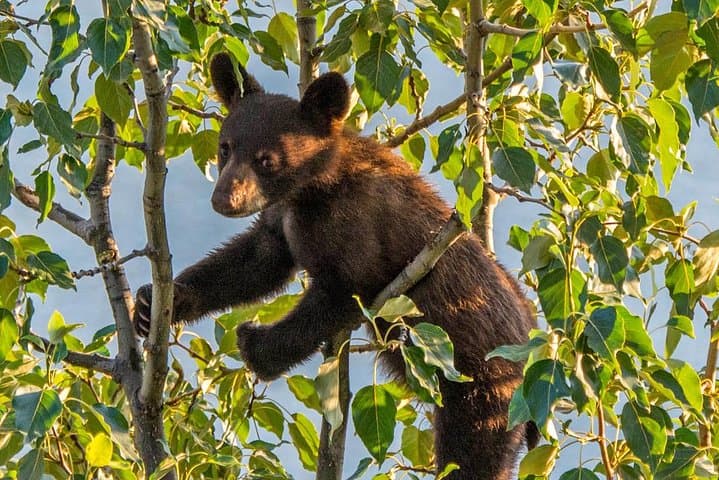
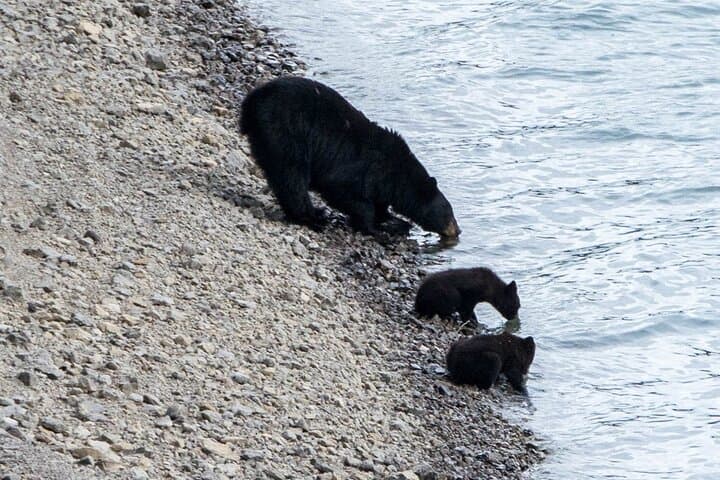
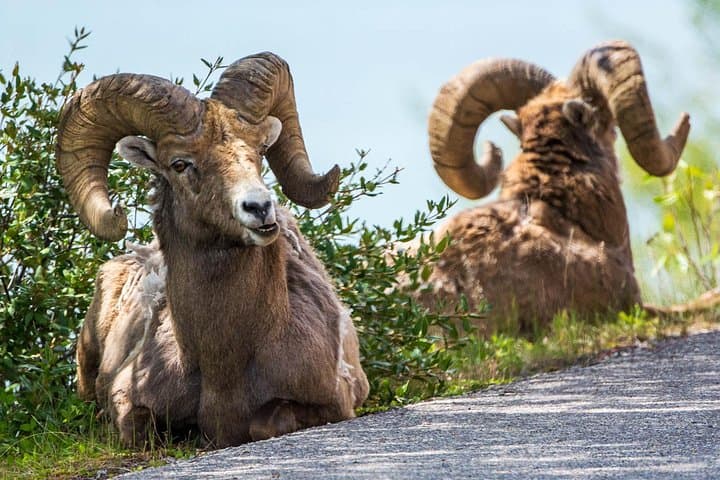
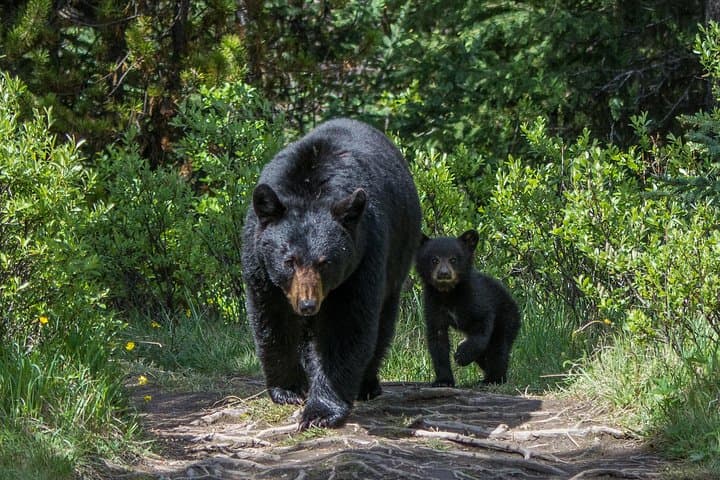
Ride a small minibus through Jasper National Park at dusk and watch valley edges and river bends for elk, bears and bighorn sheep. Local guides pair fieldcraft with conservation insight to increase sighting chances while keeping disturbance low.
Ride a small minibus through Jasper National Park at dusk and watch valley edges and river bends for elk, bears and bighorn sheep. Local guides pair fieldcraft with conservation insight to increase sighting chances while keeping disturbance low.
Dusk arrives like a soft command in the Columbia Icefield’s foothills: long shadows stretch from dark conifers, and the river below dares you to listen. On the Jasper Evening Wildlife Tour, a compact minibus becomes both vantage and classroom, windows framing mountain ridges while guides scan meadows and road shoulders for movement.
Verified experiences and guided adventures in the surrounding area.
Operated by Maligne Adventures · Jasper, Alberta
Dusk arrives like a soft command in the Columbia Icefield’s foothills: long shadows stretch from dark conifers, and the river below dares you to listen. On the Jasper Evening Wildlife Tour, a compact minibus becomes both vantage and classroom, windows framing mountain ridges while guides scan meadows and road shoulders for movement.
Jasper National Park, created in 1907, sits on ancient sedimentary layers carved by glaciers — cliffs, moraines, and broad river valleys that channel wildlife into predictable seasonal corridors. The Bow and Athabasca river networks shape where animals graze and travel; elk and bighorn sheep follow riparian edges, bears patrol berry patches, and moose linger in willow-rich wetlands.
Local guides blend natural history with park stewardship: expect clear explanations about species behavior, cautionary distance rules, and insight on Indigenous relationships to the land. Nights here are quiet by design, the dark protecting both visitors and wildlife.
Practically, the tour is vehicle-led and low-impact: most viewing happens from inside the minibus with occasional short stops. Bring a telephoto or a lens 200–400mm for meaningful photos, and layer clothing—temperatures drop rapidly after sunset. Binoculars, a charged camera, and patience pay off; sightings are frequent but never guaranteed. Guides choose routes daily based on animal movement, weather, and park closures, maximizing odds while minimizing disturbance.
For travelers who prefer a hands-off, interpretive evening in alpine country, the Jasper Evening Wildlife Tour is efficient, informative, and respectful — a clear window into why these mountains remain wild.
easy.
3 hours.
Minimal fitness required—mostly vehicle-based with occasional short walks; suitable for most ages.
Guides select routes daily to maximize sightings and about 95% of tours report seeing wildlife, but sightings are not guaranteed because animals move freely.
Yes—children are welcome but the tour is recommended for those age 5 and up due to infrequent stops and quiet, interpretive format.
Yes—hotel pickup and drop-off from selected Jasper locations are included; pickup time is confirmed after booking.
Guides occasionally allow short, guided stops at safe viewpoints; exiting the bus is at the guide’s discretion to ensure safety and minimize disturbance.
Jasper National Park was established in 1907 and preserves glacially carved valleys and important habitat corridors for western Canadian wildlife.
Guides follow park regulations to minimize disturbance—keep distance from animals, never feed wildlife, and practice Leave No Trace when outside the vehicle.
Maligne Adventures operates guided outdoor trips and adventures with an emphasis on safety, stewardship, and memorable experiences.
Dusk arrives like a soft command in the Columbia Icefield’s foothills: long shadows stretch from dark conifers, and the river below dares you to listen. On the Jasper Evening Wildlife Tour, a compact minibus becomes both vantage and classroom, windows framing mountain ridges while guides scan meadows and road shoulders for movement.
Dusk arrives like a soft command in the Columbia Icefield’s foothills: long shadows stretch from dark conifers, and the river below dares you to listen. On the Jasper Evening Wildlife Tour, a compact minibus becomes both vantage and classroom, windows framing mountain ridges while guides scan meadows and road shoulders for movement.
Jasper National Park, created in 1907, sits on ancient sedimentary layers carved by glaciers — cliffs, moraines, and broad river valleys that channel wildlife into predictable seasonal corridors. The Bow and Athabasca river networks shape where animals graze and travel; elk and bighorn sheep follow riparian edges, bears patrol berry patches, and moose linger in willow-rich wetlands.
Local guides blend natural history with park stewardship: expect clear explanations about species behavior, cautionary distance rules, and insight on Indigenous relationships to the land. Nights here are quiet by design, the dark protecting both visitors and wildlife.
Practically, the tour is vehicle-led and low-impact: most viewing happens from inside the minibus with occasional short stops. Bring a telephoto or a lens 200–400mm for meaningful photos, and layer clothing—temperatures drop rapidly after sunset. Binoculars, a charged camera, and patience pay off; sightings are frequent but never guaranteed. Guides choose routes daily based on animal movement, weather, and park closures, maximizing odds while minimizing disturbance.
For travelers who prefer a hands-off, interpretive evening in alpine country, the Jasper Evening Wildlife Tour is efficient, informative, and respectful — a clear window into why these mountains remain wild.