THE ADVENTURE COLLECTIVE® · Independent discovery and booking for outdoor travel

Spend 10–15 minutes with a calligrapher in Tokyo transforming kanji into a natural henna tattoo. Fast, customizable, and skin-friendly — a memorable cultural souvenir for travelers and anime fans alike.
Spend 10–15 minutes with a calligrapher in Tokyo transforming kanji into a natural henna tattoo. Fast, customizable, and skin-friendly — a memorable cultural souvenir for travelers and anime fans alike.
You step off a busy Tokyo street into a compact studio where the air hums with conversation and the soft, earthy scent of natural henna. A calligrapher lays out ink-dark examples of kanji, then mixes a paste that will sit cool on your skin. In 5–15 minutes a single character — Power, Love, or a playful anime-style kanji — appears in precise strokes that echo centuries of brushwork.
Verified experiences and guided adventures in the surrounding area.
Operated by Wa-PEN : try Calligraphy and Make the best Souvenir · Tokyo, Tokyo
You step off a busy Tokyo street into a compact studio where the air hums with conversation and the soft, earthy scent of natural henna. A calligrapher lays out ink-dark examples of kanji, then mixes a paste that will sit cool on your skin. In 5–15 minutes a single character — Power, Love, or a playful anime-style kanji — appears in precise strokes that echo centuries of brushwork.
Henna itself traces back to South Asian and Middle Eastern traditions, while kanji is imported Chinese characters that became central to Japanese written culture; this experience is a contemporary fusion: traditional calligraphic sensibility applied with temporary dye.
Tokyo occupies the flat Kanto Plain but the cultural landscape is layered — small shrines, izakaya alleys and modern arcades converge near the studio, offering quick cultural detours before or after your session.
Practical guidance: book a 15-minute slot in advance and bring a reference image or the kanji you want. Skin should be clean and free of lotion; the artist will advise areas that display well and hold henna longer (inner forearm, shoulder blade). Aftercare is straightforward: keep the paste dry and intact for at least 4–6 hours, avoid scrubbing, and use provided care oil to extend color for up to two weeks.
Be transparent about allergies — natural henna differs from “black henna” — and ask about ingredients. This is a low-effort, high-reward cultural add-on to a Tokyo itinerary, ideal for travelers who want a personalized souvenir without permanence.
easy.
15 minutes.
No physical fitness required; suitable for all ages and mobility levels
Expect the stain to peak at 48–72 hours and last about 1–2 weeks depending on skin type and care.
Natural henna is typically safe, but request a patch test if you have sensitive skin or allergies.
Yes—artists can transliterate names into kanji or recommend characters that capture desired meanings.
Yes; sessions are short so many studios can accommodate small groups but confirm capacity when booking.
Henna pigments originate from South Asia and the Middle East; combining them with kanji is a modern cultural crossover reflecting Tokyo’s eclectic street-culture scene.
Many studios use natural, plant-based henna and avoid PPD-containing “black henna”; choose providers who disclose ingredients and minimize single-use plastics.
Wa-PEN : try Calligraphy and Make the best Souvenir operates guided outdoor trips and adventures with an emphasis on safety, stewardship, and memorable experiences.
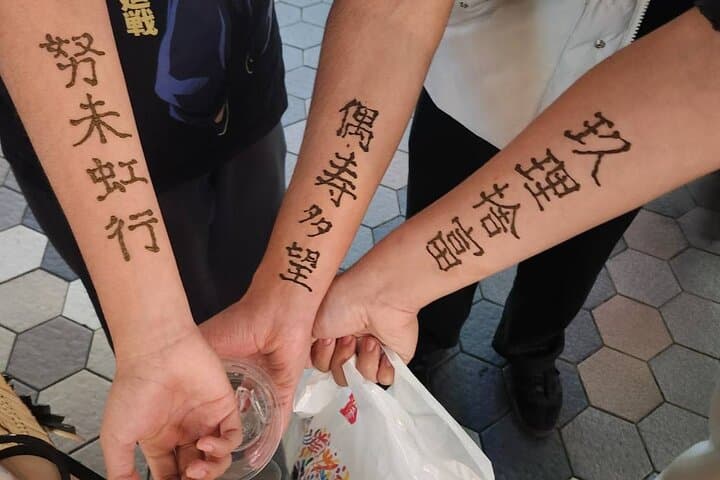
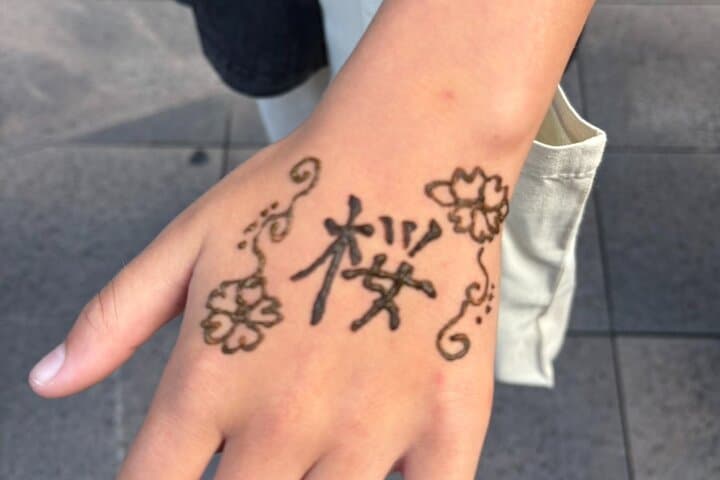
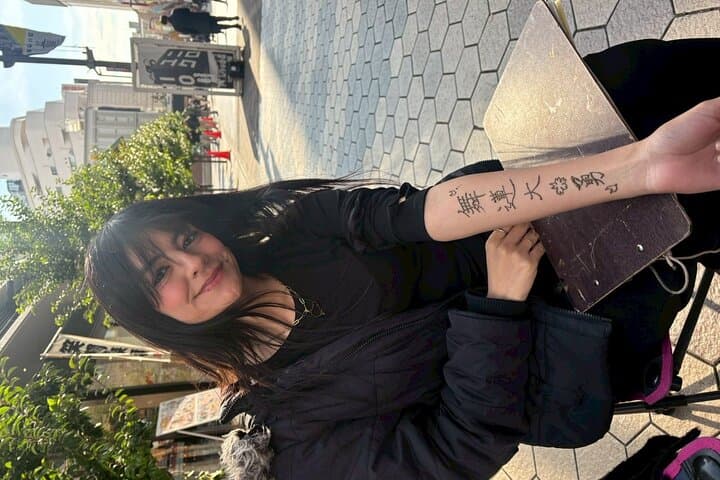
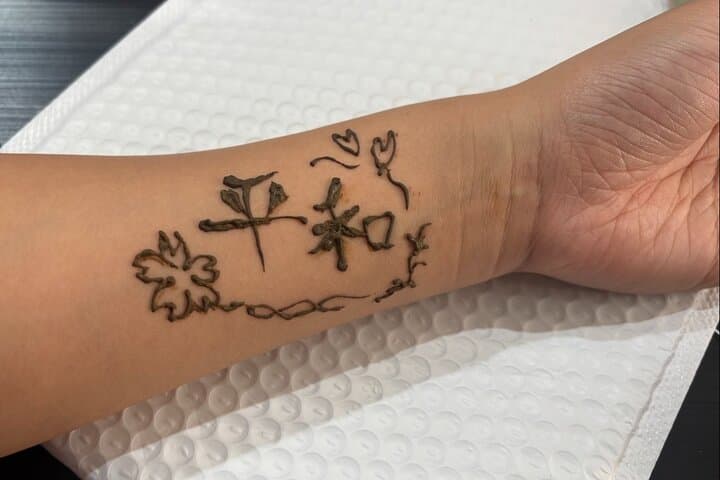
You step off a busy Tokyo street into a compact studio where the air hums with conversation and the soft, earthy scent of natural henna. A calligrapher lays out ink-dark examples of kanji, then mixes a paste that will sit cool on your skin. In 5–15 minutes a single character — Power, Love, or a playful anime-style kanji — appears in precise strokes that echo centuries of brushwork.
You step off a busy Tokyo street into a compact studio where the air hums with conversation and the soft, earthy scent of natural henna. A calligrapher lays out ink-dark examples of kanji, then mixes a paste that will sit cool on your skin. In 5–15 minutes a single character — Power, Love, or a playful anime-style kanji — appears in precise strokes that echo centuries of brushwork.
Henna itself traces back to South Asian and Middle Eastern traditions, while kanji is imported Chinese characters that became central to Japanese written culture; this experience is a contemporary fusion: traditional calligraphic sensibility applied with temporary dye.
Tokyo occupies the flat Kanto Plain but the cultural landscape is layered — small shrines, izakaya alleys and modern arcades converge near the studio, offering quick cultural detours before or after your session.
Practical guidance: book a 15-minute slot in advance and bring a reference image or the kanji you want. Skin should be clean and free of lotion; the artist will advise areas that display well and hold henna longer (inner forearm, shoulder blade). Aftercare is straightforward: keep the paste dry and intact for at least 4–6 hours, avoid scrubbing, and use provided care oil to extend color for up to two weeks.
Be transparent about allergies — natural henna differs from “black henna” — and ask about ingredients. This is a low-effort, high-reward cultural add-on to a Tokyo itinerary, ideal for travelers who want a personalized souvenir without permanence.