THE ADVENTURE COLLECTIVE® · Independent discovery and booking for outdoor travel

Walk Jamestown’s coastal streets to trace physical remnants of the Trans‑Atlantic Slave Trade, local Ga history, and lively market culture. This 3–5 hour guided tour includes transfers and a stop at Kwame Nkrumah Park and the Arts Centre for context and shopping.
Walk Jamestown’s coastal streets to trace physical remnants of the Trans‑Atlantic Slave Trade, local Ga history, and lively market culture. This 3–5 hour guided tour includes transfers and a stop at Kwame Nkrumah Park and the Arts Centre for context and shopping.
A first step off the air-conditioned vehicle and the Atlantic wind pushes you toward a grid of narrow streets where fishermen haul nets and colonial brickwork leans into the sea. Jamestown’s streets are both theater and archive: bright paint on clapboard houses, rusted railings, and the squat silhouette of the lighthouse marking the coastline. The tour moves on foot, letting the harbor’s callus and the city’s pulse set the pace.
Verified experiences and guided adventures in the surrounding area.
Operated by Pridor Plus Tours · Accra, Greater Accra Region
A first step off the air-conditioned vehicle and the Atlantic wind pushes you toward a grid of narrow streets where fishermen haul nets and colonial brickwork leans into the sea. Jamestown’s streets are both theater and archive: bright paint on clapboard houses, rusted railings, and the squat silhouette of the lighthouse marking the coastline. The tour moves on foot, letting the harbor’s callus and the city’s pulse set the pace.
Historically, Jamestown was a focal point of European trading posts and the Trans‑Atlantic Slave Trade; vestiges of that era—fortified warehouses, old jetties, and oral histories from the Ga people—sit alongside post‑independence memorials. Geologically, you’ll notice the low, sandy coastal plain and hard-packed laterite pathways shaped by tidal action and urban runoff. Cultural life is immediate: drumming from a nearby compound, fishermen mending nets, and hawkers at the Arts Centre selling beads and carved stools.
Practical guidance: expect 3–5 hours of walking on uneven pavement, some short stair sections, and coastal breezes that can shift quickly. The operator provides bottled water and transfers in an air-conditioned vehicle, but wear sturdy closed-toe shoes, bring sun protection, and carry small change for markets and tips. The subject matter includes difficult history—allow time to reflect and ask questions. Morning departures avoid the midday heat and give better light for photography. Mobility is limited in spots with cobbles and steps, and the route is best for travelers with at least a moderate fitness level. With context and care, the Jamestown walk is a restrained, revealing way to read Accra’s layered coastline.
moderate.
3–5 hours.
Moderate — able to walk 3–5 miles over uneven surfaces, climb short flights of stairs, and stand for extended periods.
Yes — the tour includes pick-up and drop-off in an air‑conditioned vehicle; confirm your pickup point when booking.
The route involves uneven streets and stairs; children and seniors who are steady on their feet can join but should consider slower paces and rest breaks.
Admissions noted in the itinerary—such as the Kwame Nkrumah Park—are included as described, but verify specific sites when booking.
Guide languages vary by operator and departure; check available language options during booking and request accommodations if needed.
Jamestown was a focal point for European forts and coastal trade; its docks and warehouses were integral to the Trans‑Atlantic Slave Trade and later colonial commerce.
Coastal erosion, urban development, and litter affect heritage sites and shoreline habitats; supporting local guides and markets helps fund preservation and community programs.
Pridor Plus Tours operates guided outdoor trips and adventures with an emphasis on safety, stewardship, and memorable experiences.
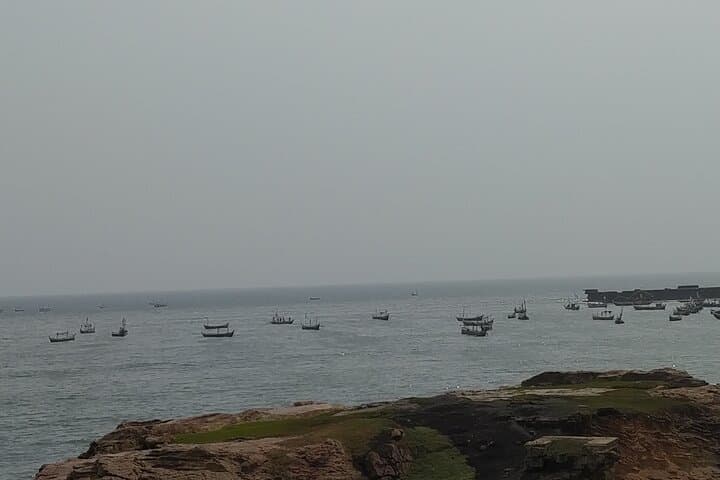
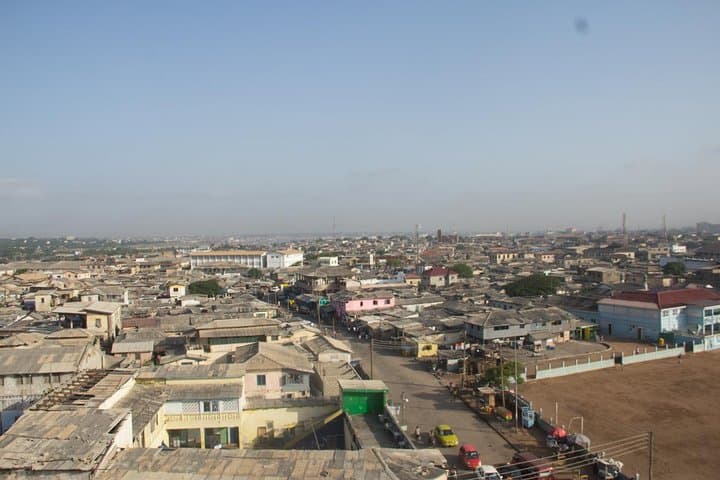
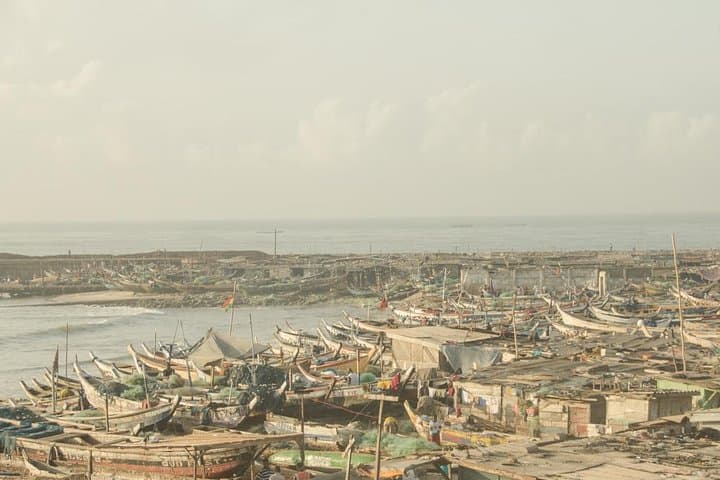
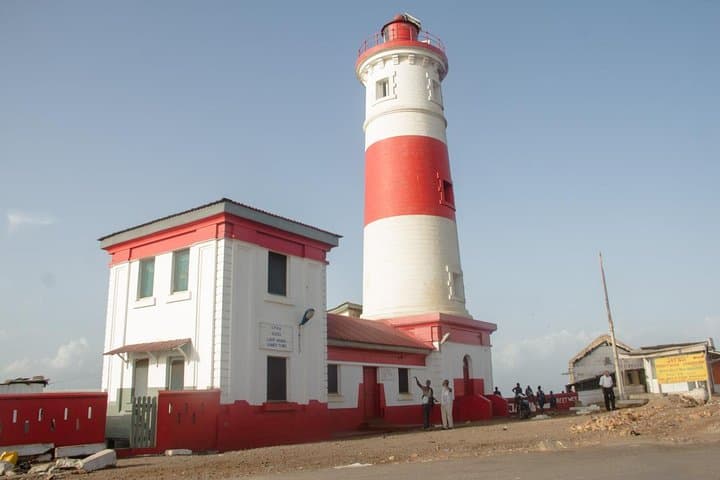
A first step off the air-conditioned vehicle and the Atlantic wind pushes you toward a grid of narrow streets where fishermen haul nets and colonial brickwork leans into the sea. Jamestown’s streets are both theater and archive: bright paint on clapboard houses, rusted railings, and the squat silhouette of the lighthouse marking the coastline. The tour moves on foot, letting the harbor’s callus and the city’s pulse set the pace.
A first step off the air-conditioned vehicle and the Atlantic wind pushes you toward a grid of narrow streets where fishermen haul nets and colonial brickwork leans into the sea. Jamestown’s streets are both theater and archive: bright paint on clapboard houses, rusted railings, and the squat silhouette of the lighthouse marking the coastline. The tour moves on foot, letting the harbor’s callus and the city’s pulse set the pace.
Historically, Jamestown was a focal point of European trading posts and the Trans‑Atlantic Slave Trade; vestiges of that era—fortified warehouses, old jetties, and oral histories from the Ga people—sit alongside post‑independence memorials. Geologically, you’ll notice the low, sandy coastal plain and hard-packed laterite pathways shaped by tidal action and urban runoff. Cultural life is immediate: drumming from a nearby compound, fishermen mending nets, and hawkers at the Arts Centre selling beads and carved stools.
Practical guidance: expect 3–5 hours of walking on uneven pavement, some short stair sections, and coastal breezes that can shift quickly. The operator provides bottled water and transfers in an air-conditioned vehicle, but wear sturdy closed-toe shoes, bring sun protection, and carry small change for markets and tips. The subject matter includes difficult history—allow time to reflect and ask questions. Morning departures avoid the midday heat and give better light for photography. Mobility is limited in spots with cobbles and steps, and the route is best for travelers with at least a moderate fitness level. With context and care, the Jamestown walk is a restrained, revealing way to read Accra’s layered coastline.