THE ADVENTURE COLLECTIVE® · Independent discovery and booking for outdoor travel

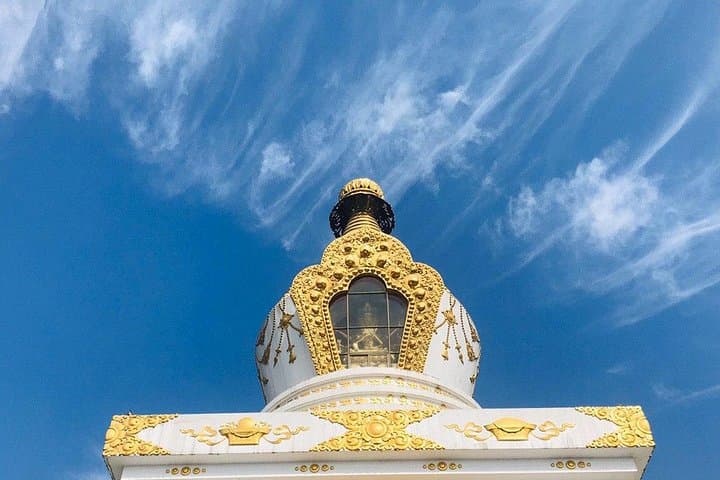
A short, steep hike to Jamachen Vijaya Stupa crowns Budhanilkantha Hill with valley vistas and temple calm. This half-day outing pairs easy trekking with one of Kathmandu’s most iconic religious sites.
A short, steep hike to Jamachen Vijaya Stupa crowns Budhanilkantha Hill with valley vistas and temple calm. This half-day outing pairs easy trekking with one of Kathmandu’s most iconic religious sites.
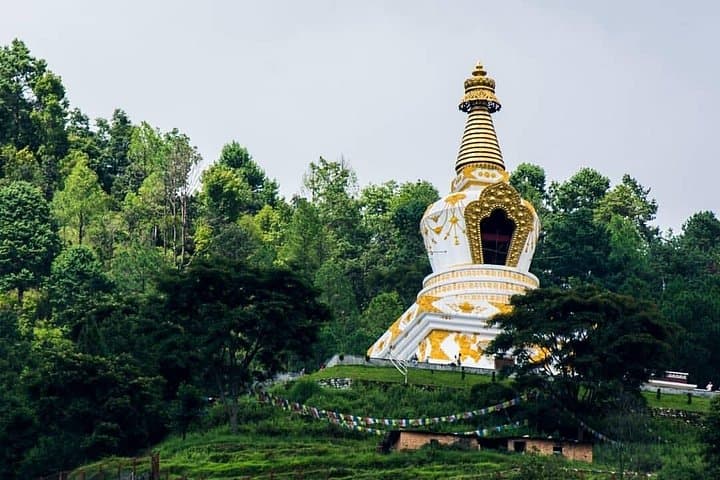
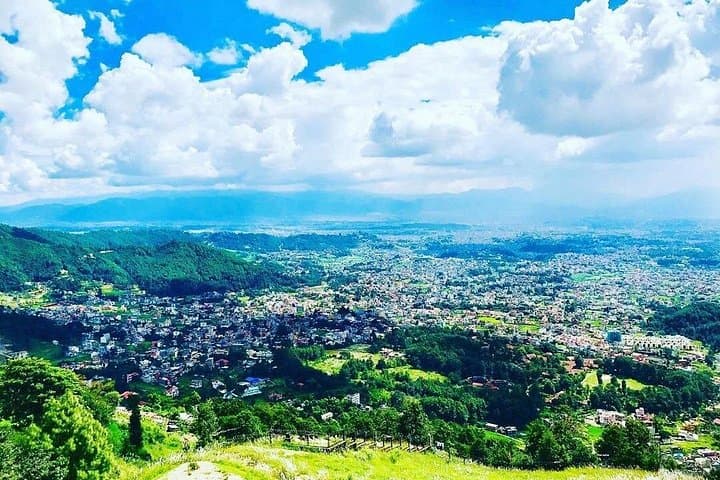
You leave Kathmandu’s hum and climb—first by quiet lane, then by a narrow tread that angles up Budhanilkantha Hill. The air thins and the city grid recedes; the valley opens beneath you like a living map. Prayer flags snap at the ridge and the stupa’s white dome catches the sun, drawing you toward a place built for pause.
Verified experiences and guided adventures in the surrounding area.
Operated by Liberty Holidays · Kathmandu, Bagmati Province
You leave Kathmandu’s hum and climb—first by quiet lane, then by a narrow tread that angles up Budhanilkantha Hill. The air thins and the city grid recedes; the valley opens beneath you like a living map. Prayer flags snap at the ridge and the stupa’s white dome catches the sun, drawing you toward a place built for pause.
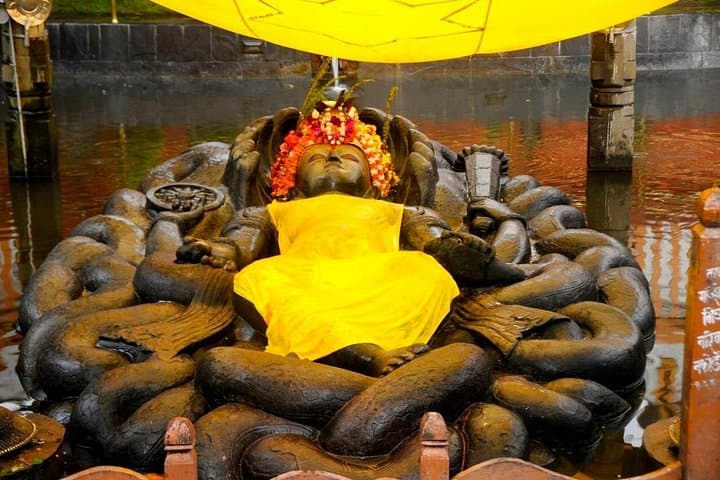
The Jamachen Vijaya Stupa is a recent addition to a long religious landscape. Below it sits Budhanilkantha Temple, home to the half-submerged, sleeping Vishnu carved from a single stone—an icon with roots in medieval devotion and local legend. Geologically, the hill is part of the Kathmandu basin’s rim: terraced earth and exposed clay underfoot that can turn sticky after rain. Culturally, the route stitches everyday pilgrimage with informal neighborhood life—shops, small shrines, and worshippers offering flowers.
Expect a short but steep hike with switchbacks and occasional stone steps; the final crest rewards you with panorama and quiet chants inside the stupa’s cool interior. Binoculars bring distant peaks and rooftop prayer wheels into focus; a camera captures tonal shifts of the valley. Respect the temple routines—quiet voices, removed shoes, and modest dress.
Practically: go in the morning for clearer air and fewer visitors, wear supportive shoes for uneven stone and packed earth, carry water and sunscreen, and allow time to sit in the stupa’s hush. The route is manageable for most walkers but includes some uneven steps—take them slowly and let the place set your pace.
easy.
3–4 hours.
Suitable for anyone with basic walking fitness; involves short steep sections and uneven steps
From the nearest road access the walk is a short hike of roughly 20–40 minutes depending on pace, with a final steep section of stone steps.
The tour lists ‘applicable entry fee’ in inclusions—confirm with the operator whether any temple donations or local fees are covered.
Yes—physically it’s suitable for most ages, but expect uneven steps; those with mobility limits should take extra care or discuss alternatives with the guide.
Typical visiting hours are 08:00–12:00 and 14:00–17:00; plan visits during open hours and avoid prayer times if you prefer quieter sightseeing.
Budhanilkantha temple centers on a vaulted Sleeping Vishnu statue with medieval origins; Jamachen Vijaya Stupa is a modern monument that extends the site’s spiritual landscape.
The hill is a fragile urban green space—stay on trails, avoid littering, and don't feed wildlife to reduce human-wildlife conflicts.
Liberty Holidays operates guided outdoor trips and adventures with an emphasis on safety, stewardship, and memorable experiences.
You leave Kathmandu’s hum and climb—first by quiet lane, then by a narrow tread that angles up Budhanilkantha Hill. The air thins and the city grid recedes; the valley opens beneath you like a living map. Prayer flags snap at the ridge and the stupa’s white dome catches the sun, drawing you toward a place built for pause.
You leave Kathmandu’s hum and climb—first by quiet lane, then by a narrow tread that angles up Budhanilkantha Hill. The air thins and the city grid recedes; the valley opens beneath you like a living map. Prayer flags snap at the ridge and the stupa’s white dome catches the sun, drawing you toward a place built for pause.
The Jamachen Vijaya Stupa is a recent addition to a long religious landscape. Below it sits Budhanilkantha Temple, home to the half-submerged, sleeping Vishnu carved from a single stone—an icon with roots in medieval devotion and local legend. Geologically, the hill is part of the Kathmandu basin’s rim: terraced earth and exposed clay underfoot that can turn sticky after rain. Culturally, the route stitches everyday pilgrimage with informal neighborhood life—shops, small shrines, and worshippers offering flowers.
Expect a short but steep hike with switchbacks and occasional stone steps; the final crest rewards you with panorama and quiet chants inside the stupa’s cool interior. Binoculars bring distant peaks and rooftop prayer wheels into focus; a camera captures tonal shifts of the valley. Respect the temple routines—quiet voices, removed shoes, and modest dress.
Practically: go in the morning for clearer air and fewer visitors, wear supportive shoes for uneven stone and packed earth, carry water and sunscreen, and allow time to sit in the stupa’s hush. The route is manageable for most walkers but includes some uneven steps—take them slowly and let the place set your pace.