THE ADVENTURE COLLECTIVE® · Independent discovery and booking for outdoor travel

Explore Jalapão’s dunes, crystal lagoons and buoyant fervedouros on a six-day trip that pairs geology with Quilombola culture. Expect long dirt-road drives, short hikes and immersive local experiences.
Explore Jalapão’s dunes, crystal lagoons and buoyant fervedouros on a six-day trip that pairs geology with Quilombola culture. Expect long dirt-road drives, short hikes and immersive local experiences.
You arrive at dawn in Palmas, the sky still edged with violet, and the convoy pulls east across red dirt that seems to drink the sun. By the second day the trees thin and the landscape opens: rust-colored dunes, quartz sand that sinks underfoot, and scattered cerrado shrubs that dare you to slow down and listen. The itinerary threads through Taquaruçu’s waterfalls, Lagoa do Japonês’s glassy lagoon, the surreal Dunas do Jalapão and a sequence of fervedouros — artesian springs whose upward pressure makes you float like a storybook figure.
Verified experiences and guided adventures in the surrounding area.
Operated by Jalapão Expedições Ecoturismo · Mateiros, Tocantins
You arrive at dawn in Palmas, the sky still edged with violet, and the convoy pulls east across red dirt that seems to drink the sun. By the second day the trees thin and the landscape opens: rust-colored dunes, quartz sand that sinks underfoot, and scattered cerrado shrubs that dare you to slow down and listen. The itinerary threads through Taquaruçu’s waterfalls, Lagoa do Japonês’s glassy lagoon, the surreal Dunas do Jalapão and a sequence of fervedouros — artesian springs whose upward pressure makes you float like a storybook figure.
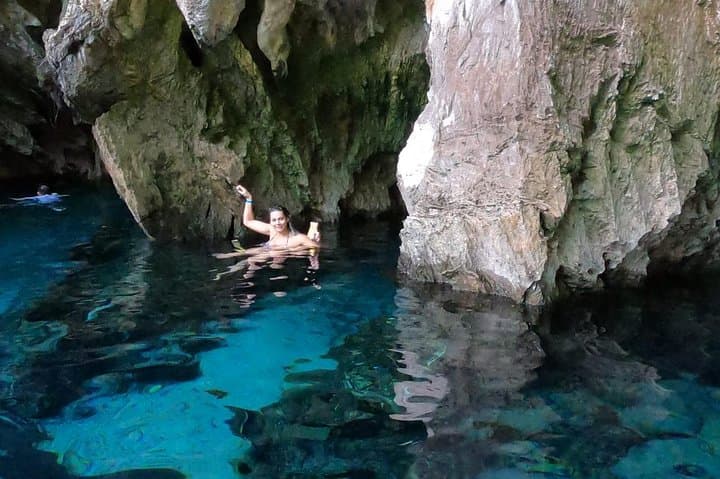
This is an area carved by geology and human care. Sandstone and ironstone shape the dunes and caverns; rivers and springs are fed by aquifers that create the famous fervedouros. Quilombola communities and small riverside settlements keep a living memory of the region — traditional crafts, capim (golden grass) weaving and communal meals are part of the route, supporting community-based tourism.
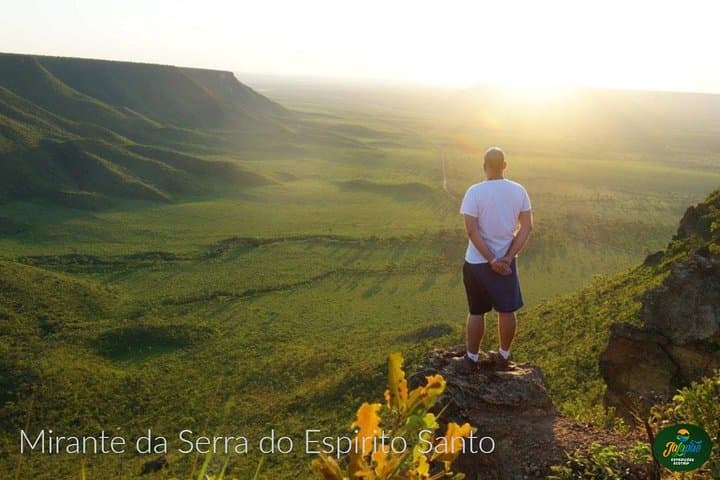
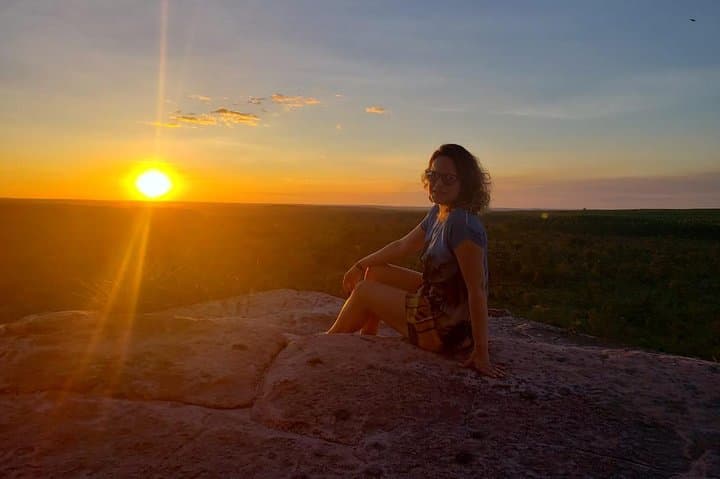
Expect long drives on unpaved roads (many dirt tracks), short hikes and water time: gentle swims, floats in buoyant springs and a predawn ascent of Serra do Espírito Santo if you’re up for stars and a steep 750m scramble. Accommodations are basic pousadas with private bathrooms and air conditioning; meals highlight local produce.
Practical tips: travel light, carry reusable water and sun protection, pack a lightweight daypack for springs and short climbs, and plan for early starts to avoid midday heat. Respect community spaces, follow guide instructions at fervedouros, and recharge devices when in Palmas — power can be intermittent in the field.
moderate.
6–8 days.
Suitable for travelers in good general health; able to handle full days in a vehicle, short hikes up to steep 750m ascents, and standing in springs.
Jalapão is remote with long stretches of unpaved dirt roads; 4x4 vehicles are standard and travel times between sites can be long — expect dusty, bumpy drives.
Many fervedouros are family-friendly but always supervise children and follow guide rules; water pressures vary and some springs have sudden depth changes.
Accommodations are pousadas and inns with private bathrooms and basic comforts like air conditioning and electric showers, but power and connectivity can be limited in remote areas.
No special permits for visitors, but check routine vaccinations and travel health advice for Brazil; permits to enter certain conservation areas may be included by your operator.
Jalapão’s communities include Quilombola settlements founded by escaped enslaved people and generations of cerrado inhabitants who preserved craft traditions and river-based livelihoods.
The region relies on sustainable tourism and responsible water use; visitors are asked to avoid contaminating springs and to support community-run services to keep economic benefits local.
Jalapão Expedições Ecoturismo operates guided outdoor trips and adventures with an emphasis on safety, stewardship, and memorable experiences.
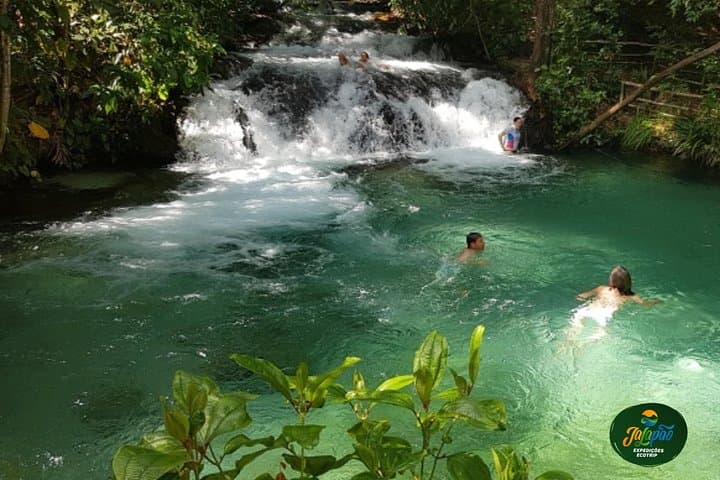
You arrive at dawn in Palmas, the sky still edged with violet, and the convoy pulls east across red dirt that seems to drink the sun. By the second day the trees thin and the landscape opens: rust-colored dunes, quartz sand that sinks underfoot, and scattered cerrado shrubs that dare you to slow down and listen. The itinerary threads through Taquaruçu’s waterfalls, Lagoa do Japonês’s glassy lagoon, the surreal Dunas do Jalapão and a sequence of fervedouros — artesian springs whose upward pressure makes you float like a storybook figure.
You arrive at dawn in Palmas, the sky still edged with violet, and the convoy pulls east across red dirt that seems to drink the sun. By the second day the trees thin and the landscape opens: rust-colored dunes, quartz sand that sinks underfoot, and scattered cerrado shrubs that dare you to slow down and listen. The itinerary threads through Taquaruçu’s waterfalls, Lagoa do Japonês’s glassy lagoon, the surreal Dunas do Jalapão and a sequence of fervedouros — artesian springs whose upward pressure makes you float like a storybook figure.
This is an area carved by geology and human care. Sandstone and ironstone shape the dunes and caverns; rivers and springs are fed by aquifers that create the famous fervedouros. Quilombola communities and small riverside settlements keep a living memory of the region — traditional crafts, capim (golden grass) weaving and communal meals are part of the route, supporting community-based tourism.
Expect long drives on unpaved roads (many dirt tracks), short hikes and water time: gentle swims, floats in buoyant springs and a predawn ascent of Serra do Espírito Santo if you’re up for stars and a steep 750m scramble. Accommodations are basic pousadas with private bathrooms and air conditioning; meals highlight local produce.
Practical tips: travel light, carry reusable water and sun protection, pack a lightweight daypack for springs and short climbs, and plan for early starts to avoid midday heat. Respect community spaces, follow guide instructions at fervedouros, and recharge devices when in Palmas — power can be intermittent in the field.