THE ADVENTURE COLLECTIVE® · Independent discovery and booking for outdoor travel

See Jakarta’s highlights in a single day: Monas, the National Museum, Istiqlal Mosque, Kota Tua and Chinatown. This guided tour blends colonial history, national monuments and local markets with practical transport and a licensed English guide.
See Jakarta’s highlights in a single day: Monas, the National Museum, Istiqlal Mosque, Kota Tua and Chinatown. This guided tour blends colonial history, national monuments and local markets with practical transport and a licensed English guide.
You step out into Jakarta’s heat before dawn, the city’s traffic a slow, diesel heartbeat as your guide raises a small paper banner at a hotel lobby. The day unfolds in bright, urban chapters: broad Merdeka Square with the National Monument pricking the sky, the colonial facades of Kota Tua reflected in a canal that still dares you to look closer, and the cavernous marble of Istiqlal where prayer and presence meet.
Verified experiences and guided adventures in the surrounding area.
Operated by Indo Trip · Jakarta, Jakarta
You step out into Jakarta’s heat before dawn, the city’s traffic a slow, diesel heartbeat as your guide raises a small paper banner at a hotel lobby. The day unfolds in bright, urban chapters: broad Merdeka Square with the National Monument pricking the sky, the colonial facades of Kota Tua reflected in a canal that still dares you to look closer, and the cavernous marble of Istiqlal where prayer and presence meet.
This itinerary threads modern Indonesia with its colonial past—Kota Tua’s Dutch-era warehouses and canals recall the VOC era, while Monas (the 132 m independence tower) commemorates the 20th‑century struggle that forged the nation. The National Museum offers archeological and ethnographic context: archipelagic diversity in objects and costume. Chinatown (Glodok) preserves centuries of trade and living culture; markets and wet-stalls hum with business as usual.
Geology is subtle here—Jakarta sits on alluvial plains, the city’s low-lying canals and river channels shaping neighborhoods and flooding patterns that influence daily life. Cultural notes: Istiqlal and the nearby cathedral exemplify Indonesia’s plural religious landscape; dress respectfully and remove shoes where requested.
Practical guidance: the full circuit is about seven hours with short walks between sites, some stair climbing and variable pavement. Expect many photo stops, heat, and local lunches—Sundanese plates are widely served. Bring sun protection, a lightweight rain layer (sudden monsoon showers are common), and small bills for markets and tips. If your plan includes Monas or the National Museum, avoid Mondays when some institutions close; otherwise, this route packs a dense, navigable overview of Jakarta’s history and present into one purposeful day.
easy.
6–7 hours.
Suitable for most fitness levels; expect several short walking segments, stairs, and standing periods.
Yes—hotel pickup and drop‑off are included; confirm your pickup point when booking and wait in the lobby for the guide with a paper banner.
Entrance fees for listed sites on the itinerary are included, but optional extras or personal purchases at markets are not.
Infants and small children can ride in strollers; note the tour involves walking and some uneven surfaces.
Some sites (e.g., Monas, National Museum) close on Mondays; the itinerary will pass by or substitute other viewpoints when closures occur.
Kota Tua was Jakarta’s Dutch colonial administrative center; Monas, built after independence, symbolizes the national struggle and identity.
Jakarta’s low-lying areas face flooding and pollution; respect local waste rules, avoid single‑use plastics, and support small businesses to spread tourism benefits.
Indo Trip operates guided outdoor trips and adventures with an emphasis on safety, stewardship, and memorable experiences.
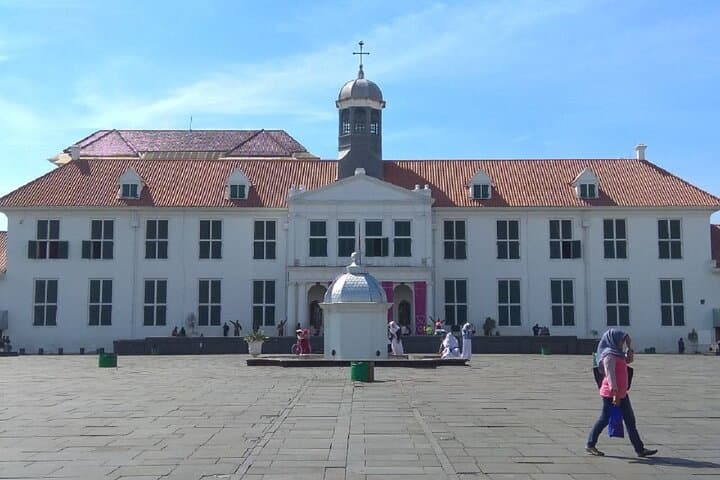
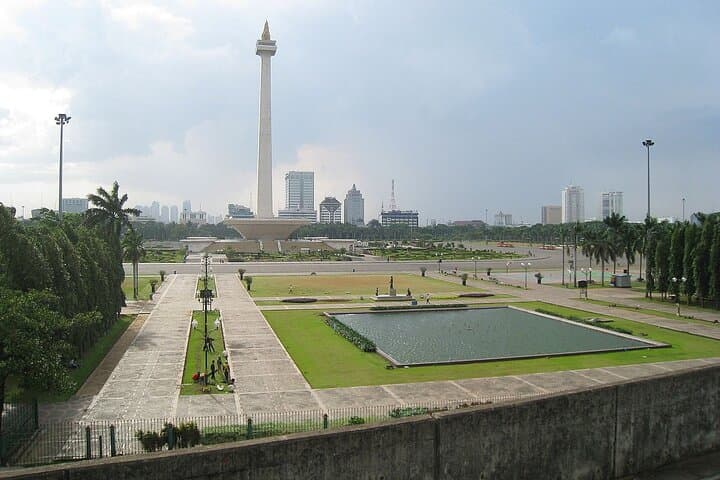
You step out into Jakarta’s heat before dawn, the city’s traffic a slow, diesel heartbeat as your guide raises a small paper banner at a hotel lobby. The day unfolds in bright, urban chapters: broad Merdeka Square with the National Monument pricking the sky, the colonial facades of Kota Tua reflected in a canal that still dares you to look closer, and the cavernous marble of Istiqlal where prayer and presence meet.
You step out into Jakarta’s heat before dawn, the city’s traffic a slow, diesel heartbeat as your guide raises a small paper banner at a hotel lobby. The day unfolds in bright, urban chapters: broad Merdeka Square with the National Monument pricking the sky, the colonial facades of Kota Tua reflected in a canal that still dares you to look closer, and the cavernous marble of Istiqlal where prayer and presence meet.
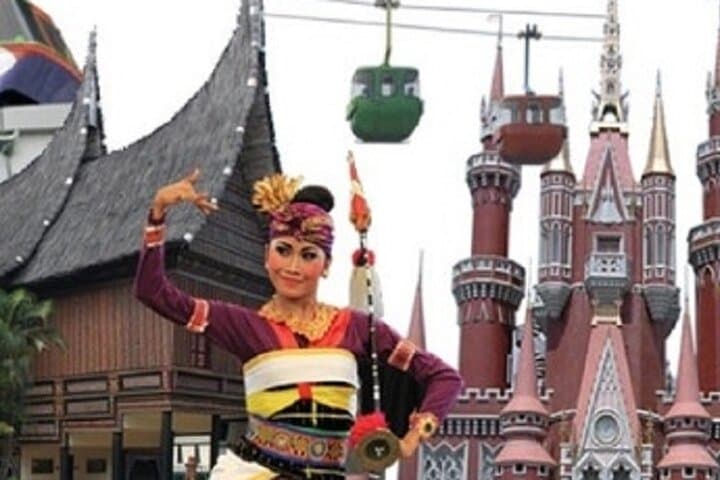
This itinerary threads modern Indonesia with its colonial past—Kota Tua’s Dutch-era warehouses and canals recall the VOC era, while Monas (the 132 m independence tower) commemorates the 20th‑century struggle that forged the nation. The National Museum offers archeological and ethnographic context: archipelagic diversity in objects and costume. Chinatown (Glodok) preserves centuries of trade and living culture; markets and wet-stalls hum with business as usual.
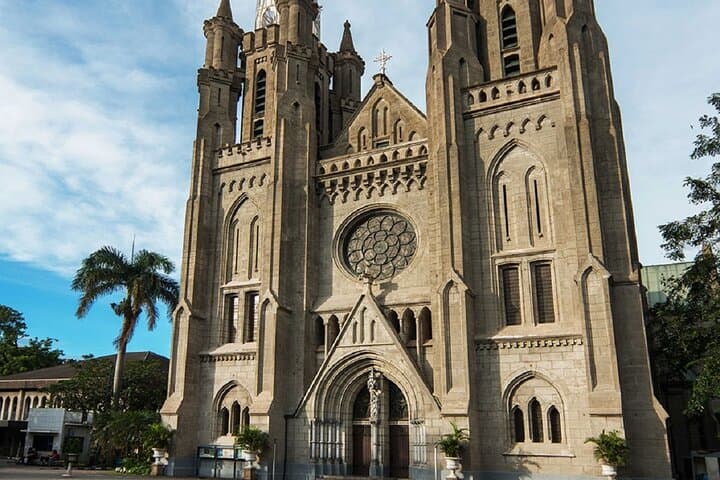
Geology is subtle here—Jakarta sits on alluvial plains, the city’s low-lying canals and river channels shaping neighborhoods and flooding patterns that influence daily life. Cultural notes: Istiqlal and the nearby cathedral exemplify Indonesia’s plural religious landscape; dress respectfully and remove shoes where requested.
Practical guidance: the full circuit is about seven hours with short walks between sites, some stair climbing and variable pavement. Expect many photo stops, heat, and local lunches—Sundanese plates are widely served. Bring sun protection, a lightweight rain layer (sudden monsoon showers are common), and small bills for markets and tips. If your plan includes Monas or the National Museum, avoid Mondays when some institutions close; otherwise, this route packs a dense, navigable overview of Jakarta’s history and present into one purposeful day.