THE ADVENTURE COLLECTIVE® · Independent discovery and booking for outdoor travel

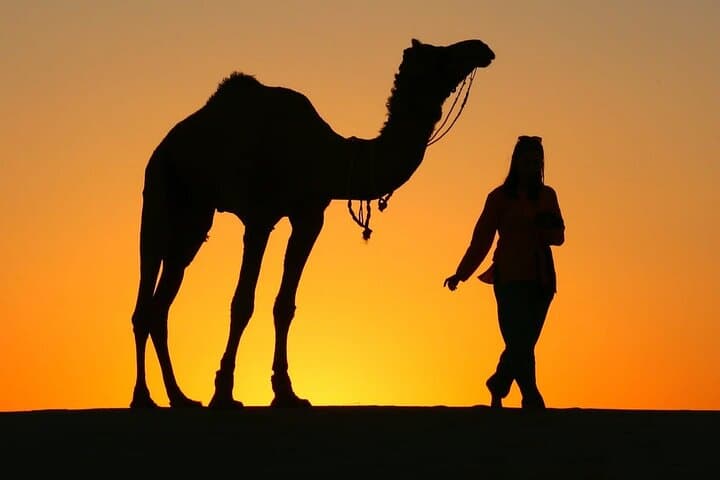
Ride a camel into the Thar at late afternoon, watch the sun slide behind sculpted dunes and finish the evening with a bonfire-cooked Rajasthani dinner. This practical guide outlines what to expect, how to prepare and local details to make the most of your sunset safari.
Ride a camel into the Thar at late afternoon, watch the sun slide behind sculpted dunes and finish the evening with a bonfire-cooked Rajasthani dinner. This practical guide outlines what to expect, how to prepare and local details to make the most of your sunset safari.
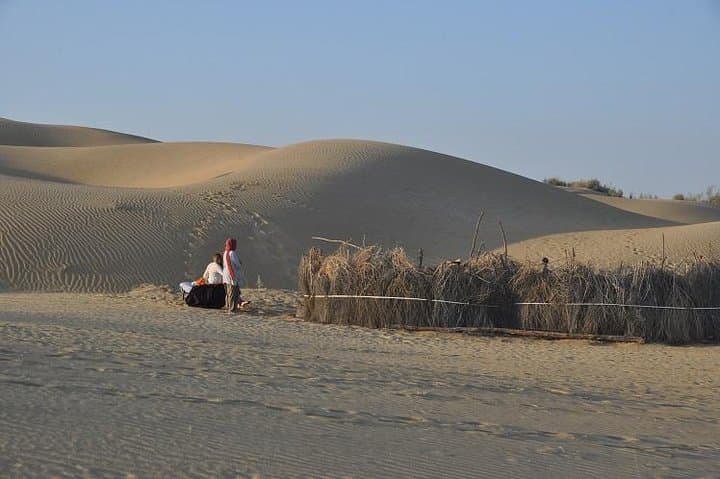
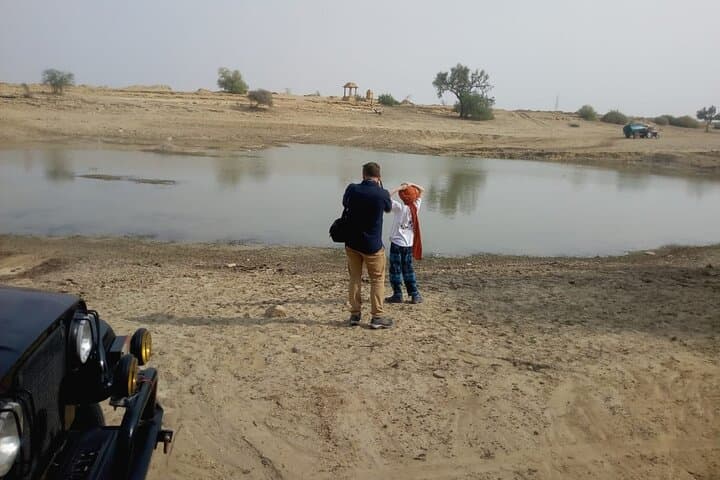
Late afternoon in the Thar feels like the landscape is shifting its pace; the heat loosens, and wind sketches ridges in the sand as your jeep threads from Jaisalmer toward the open dunes.
Verified experiences and guided adventures in the surrounding area.
Operated by Pleasant Haveli Camel Safari · Jaisalmer, Rajasthan
Late afternoon in the Thar feels like the landscape is shifting its pace; the heat loosens, and wind sketches ridges in the sand as your jeep threads from Jaisalmer toward the open dunes.
This evening safari moves through history — a pass by Kuldhara’s abandoned lanes and the crumbling Khaba Fort reminds you the region once sat on trade arteries linking India to Central Asia. Geologically, the Thar is wind-worked sandstone and mobile sand sheets; dunes rise and flatten with each season and every strong gust. Culturally, the desert is alive in Amar traditions: songs, simple camp cooking and the slow gait of camels that have been working these routes for centuries.
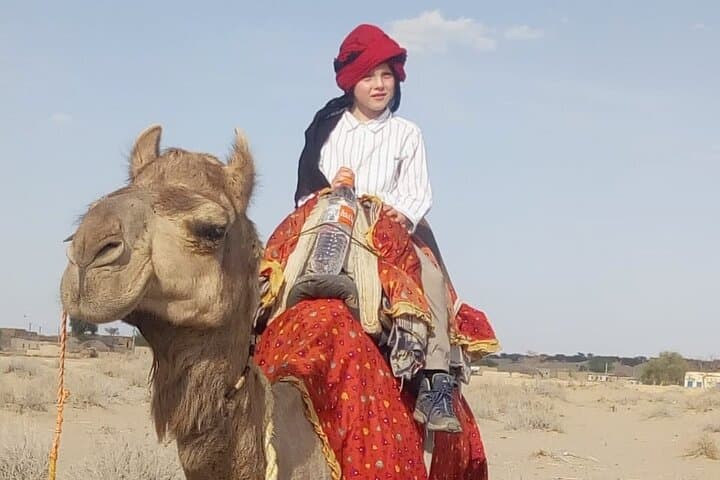
Expect a mixed-vehicle evening: jeep transfers to a camel point, a roughly one-hour single-camel ride timed for sunset, then a short walk to a dune camp for tea, a bonfire and a homestyle vegetarian dinner (dal, rice, chapati) prepared on the fire. Water and basic snacks are provided; vegetarian options are available if requested. Facilities in town include luggage storage, restrooms and Wi‑Fi before departure.
Practically, plan for dusty, uneven surfaces, a bumpy jeep ride and 30–60 minutes aboard a camel with simple saddles. Wear closed-toe shoes, sun protection and a wind layer for after sundown; bring a headlamp for the return. Photographers should arrive with charged batteries—sunset windows are short. The operator returns to Jaisalmer around 9:30–10:00 PM, leaving time to rest or explore the city’s stone lanes after the desert calms.
easy.
7–9 hours.
Moderate mobility; suitable for most travelers but expect a bumpy jeep ride and 45–60 minutes on a camel
The camel ride into the dunes is about one hour per person; each participant typically has their own camel.
Yes — a bonfire-cooked dinner (dal, mix veg, rice, chapati, dessert) and bottled water are included; vegetarian options are standard but confirm at booking for dietary restrictions.
Basic restroom facilities are available in Jaisalmer before departure and at the city facilities on return; dune camps have simple camp setups and may not have permanent toilets.
Most operators include hotel pickup in Jaisalmer; you will be asked your pickup point when booking or during confirmation.
Kuldhara is an abandoned 19th-century village with ghost-village lore protected by the Archaeological Survey of India; nearby forts mark Jaisalmer’s past as a Silk Route trading hub.
The Thar’s dune systems are ecologically fragile—stick to marked paths, avoid disturbing vegetation and carry out any non-biodegradable waste to protect the landscape.
Pleasant Haveli Camel Safari operates guided outdoor trips and adventures with an emphasis on safety, stewardship, and memorable experiences.
Late afternoon in the Thar feels like the landscape is shifting its pace; the heat loosens, and wind sketches ridges in the sand as your jeep threads from Jaisalmer toward the open dunes.
Late afternoon in the Thar feels like the landscape is shifting its pace; the heat loosens, and wind sketches ridges in the sand as your jeep threads from Jaisalmer toward the open dunes.
This evening safari moves through history — a pass by Kuldhara’s abandoned lanes and the crumbling Khaba Fort reminds you the region once sat on trade arteries linking India to Central Asia. Geologically, the Thar is wind-worked sandstone and mobile sand sheets; dunes rise and flatten with each season and every strong gust. Culturally, the desert is alive in Amar traditions: songs, simple camp cooking and the slow gait of camels that have been working these routes for centuries.
Expect a mixed-vehicle evening: jeep transfers to a camel point, a roughly one-hour single-camel ride timed for sunset, then a short walk to a dune camp for tea, a bonfire and a homestyle vegetarian dinner (dal, rice, chapati) prepared on the fire. Water and basic snacks are provided; vegetarian options are available if requested. Facilities in town include luggage storage, restrooms and Wi‑Fi before departure.
Practically, plan for dusty, uneven surfaces, a bumpy jeep ride and 30–60 minutes aboard a camel with simple saddles. Wear closed-toe shoes, sun protection and a wind layer for after sundown; bring a headlamp for the return. Photographers should arrive with charged batteries—sunset windows are short. The operator returns to Jaisalmer around 9:30–10:00 PM, leaving time to rest or explore the city’s stone lanes after the desert calms.