THE ADVENTURE COLLECTIVE® · Independent discovery and booking for outdoor travel

Make the pilgrimage from Jaipur to Agra in a single day: private car, professional guide, and focused visits to the Taj Mahal and Agra Fort. This practical guide previews what to expect — history, logistics, and on-the-ground tips.
Make the pilgrimage from Jaipur to Agra in a single day: private car, professional guide, and focused visits to the Taj Mahal and Agra Fort. This practical guide previews what to expect — history, logistics, and on-the-ground tips.
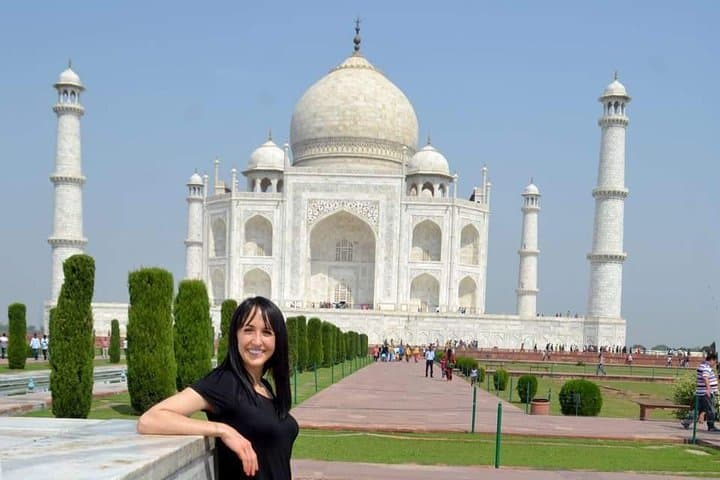
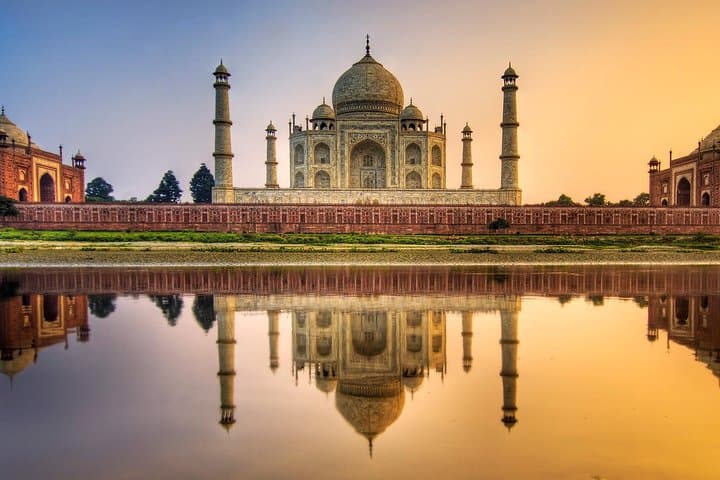
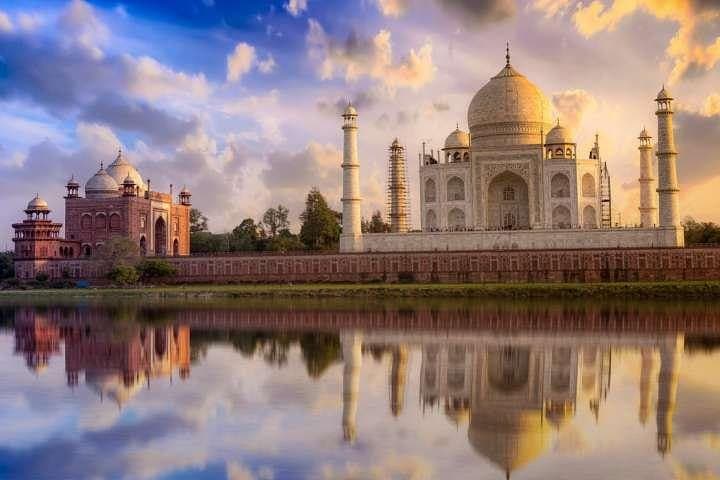
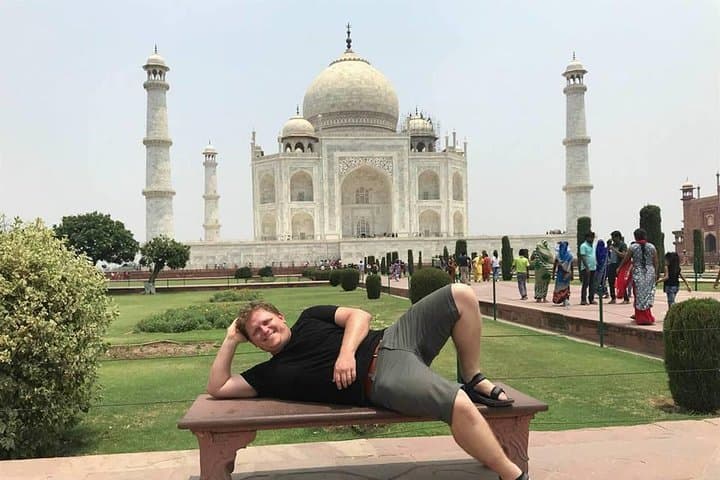
Before dawn the driver pulls out of Jaipur and the road unfurls across the plains toward Agra — an early-morning convoy of light and long shadows. By the time you near the Yamuna the Taj Mahal rises in white relief; the marble cool under the first sun, the river daring you to step closer and see the monument’s reflection break into ripples.
Verified experiences and guided adventures in the surrounding area.
Operated by Vivek Handa, Tour Guide Delhi-Agra-Jaipur · Agra, Uttar Pradesh
Before dawn the driver pulls out of Jaipur and the road unfurls across the plains toward Agra — an early-morning convoy of light and long shadows. By the time you near the Yamuna the Taj Mahal rises in white relief; the marble cool under the first sun, the river daring you to step closer and see the monument’s reflection break into ripples.
Built by Shah Jahan in the mid-17th century as a mausoleum for Mumtaz Mahal, the Taj is paired on this route with Agra Fort, Akbar’s red sandstone citadel that predates it and shows Mughal power in layered courtyards and private chambers. Geologically the area sits on the Indo-Gangetic floodplain; what looks like effortless stonework depends on imported Makrana marble and local sandstone shaped by centuries of craftsmen.
Culturally the visit is practical and sensory — call-and-response vendors at the gates, guide narration about calligraphy and pietra dura, and the smell of chai in nearby stalls. For quieter perspective, Mehtab Bagh across the river and the Itmad-ud-Daulah (the “Baby Taj”) offer alternative compositions.
Practical guidance: expect a long day (14–16 hours) with 4–5 hours driving each way unless you customize pickup time. Security checks, paved paths and steps at both monuments mean sturdy, breathable shoes are useful; modest dress is respectful. Bring water, sun protection, and your passport if booking tickets in advance. A private tour reduces waiting and gives flexibility for photos, but plan for heat in summer and shorter daylight in winter.
easy.
14–16 hours.
Suitable for most fitness levels; expect extended periods of standing and short walks over paved and stepped surfaces.
Entrance fees are included only if you select the all-inclusive option; otherwise fees are payable locally and your guide can advise.
The drive typically takes 4–5 hours each way depending on traffic and route; expect a full 14–16 hour day for this round trip.
The site has areas with ramps and assistance, and the tour lists wheelchair-accessible transport — check ahead to arrange specific support.
Casual photography is allowed in most areas, but tripods and commercial photography may require permits; your guide can advise on restrictions.
The Taj Mahal was completed in the 1650s by Mughal emperor Shah Jahan; nearby Agra Fort was built earlier by Akbar and remodeled over generations.
High visitor numbers impact marble and inlay work; avoid touching surfaces, follow stay-on-path rules, and support certified local guides to reduce crowding.
Vivek Handa, Tour Guide Delhi-Agra-Jaipur operates guided outdoor trips and adventures with an emphasis on safety, stewardship, and memorable experiences.
Before dawn the driver pulls out of Jaipur and the road unfurls across the plains toward Agra — an early-morning convoy of light and long shadows. By the time you near the Yamuna the Taj Mahal rises in white relief; the marble cool under the first sun, the river daring you to step closer and see the monument’s reflection break into ripples.
Before dawn the driver pulls out of Jaipur and the road unfurls across the plains toward Agra — an early-morning convoy of light and long shadows. By the time you near the Yamuna the Taj Mahal rises in white relief; the marble cool under the first sun, the river daring you to step closer and see the monument’s reflection break into ripples.
Built by Shah Jahan in the mid-17th century as a mausoleum for Mumtaz Mahal, the Taj is paired on this route with Agra Fort, Akbar’s red sandstone citadel that predates it and shows Mughal power in layered courtyards and private chambers. Geologically the area sits on the Indo-Gangetic floodplain; what looks like effortless stonework depends on imported Makrana marble and local sandstone shaped by centuries of craftsmen.
Culturally the visit is practical and sensory — call-and-response vendors at the gates, guide narration about calligraphy and pietra dura, and the smell of chai in nearby stalls. For quieter perspective, Mehtab Bagh across the river and the Itmad-ud-Daulah (the “Baby Taj”) offer alternative compositions.
Practical guidance: expect a long day (14–16 hours) with 4–5 hours driving each way unless you customize pickup time. Security checks, paved paths and steps at both monuments mean sturdy, breathable shoes are useful; modest dress is respectful. Bring water, sun protection, and your passport if booking tickets in advance. A private tour reduces waiting and gives flexibility for photos, but plan for heat in summer and shorter daylight in winter.