THE ADVENTURE COLLECTIVE® · Independent discovery and booking for outdoor travel

A single long day from Jaipur delivers the Taj Mahal, Agra Fort and Itmad-ud-Daulah, capped with a sunset view from Mehtab Bagh. Expect a guided, private itinerary that maximizes light and history while requiring a full-day commitment.
A single long day from Jaipur delivers the Taj Mahal, Agra Fort and Itmad-ud-Daulah, capped with a sunset view from Mehtab Bagh. Expect a guided, private itinerary that maximizes light and history while requiring a full-day commitment.
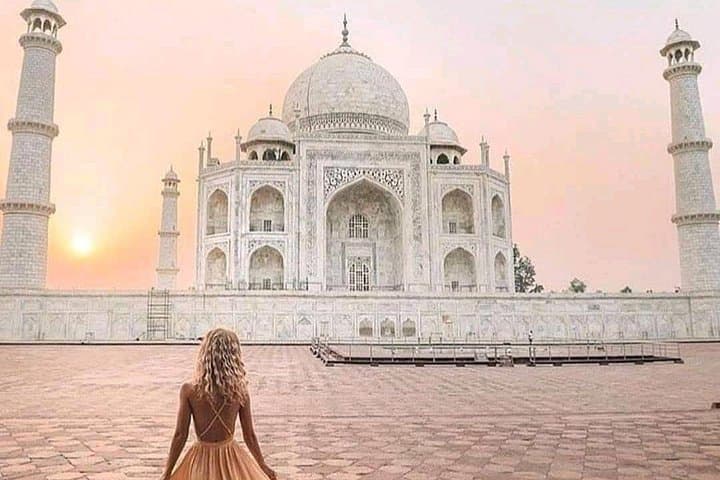
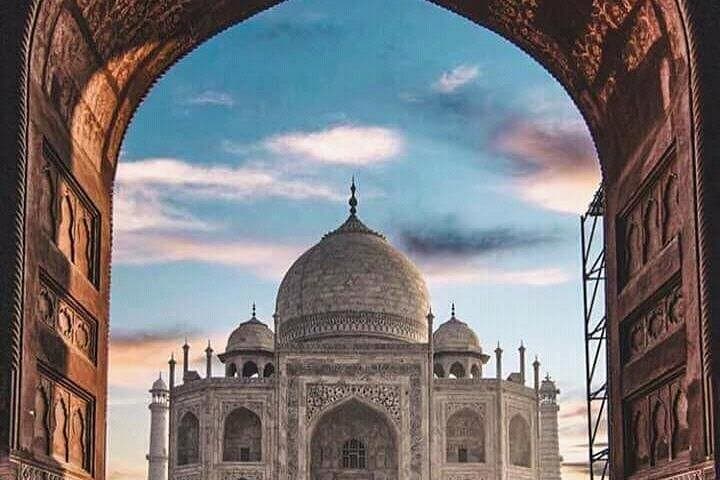
Before sunrise the road unspools from Jaipur—headlights cutting through the desert plain, a steady hum toward the Yamuna and the marble silhouette that waits in Agra. By morning the Taj Mahal reveals itself in changing light: pearly at dawn, luminous by mid-morning, then flushed gold toward sunset if you linger at Mehtab Bagh across the river.
Verified experiences and guided adventures in the surrounding area.
Operated by Padma Holidays · Agra, Uttar Pradesh
Before sunrise the road unspools from Jaipur—headlights cutting through the desert plain, a steady hum toward the Yamuna and the marble silhouette that waits in Agra. By morning the Taj Mahal reveals itself in changing light: pearly at dawn, luminous by mid-morning, then flushed gold toward sunset if you linger at Mehtab Bagh across the river.
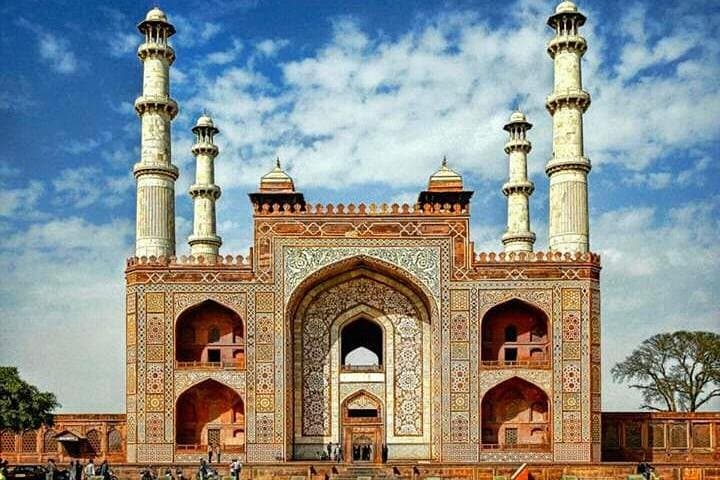
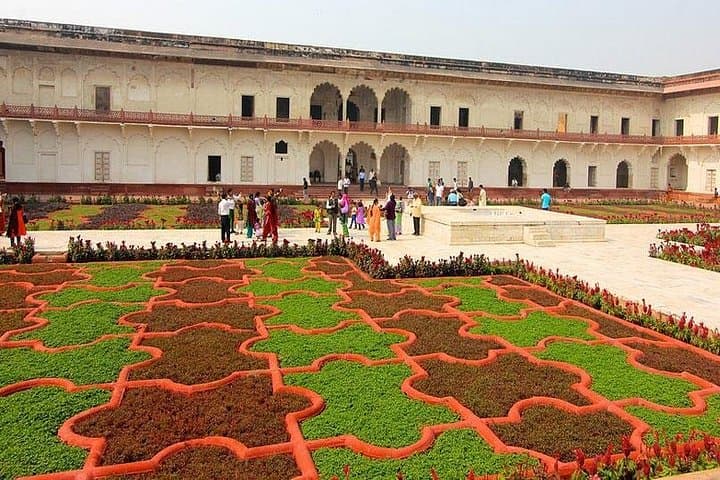
The tour threads three Mughal pillars of Agra: Shah Jahan’s Taj Mahal (mid-17th century), Akbar’s 16th-century Agra Fort, and the delicate Itmad-ud-Daulah often called the “Baby Taj.” Geology here is simple but important—the white Makrana marble of the Taj reacts to temperature and humidity, which is why light and time of day dramatically alter its color.
Culturally, the city is lived-in: bazaars selling petha (local sweet), cows and monkeys sharing lanes, and craftsmen preserving pietra dura inlay work. Expect a local guide who will explain inscriptions, optical effects in the fort, and the human stories behind the architecture.
Practically, this is a long private day (about 14 hours) that starts before dawn in Jaipur and returns late evening. Carry valid ID or passport for monument entry, wear comfortable walking shoes for uneven stone floors, and plan for security queues. Hydrate often—north India’s weather swings from crisp winter mornings to harsh summer heat and a humid monsoon.
This itinerary packs three major sites plus a sunset viewpoint; it’s ideal for travelers who want concentrated cultural immersion in a single, full day without overnight baggage.
easy.
14 hours.
Suitable for travelers in average physical condition; expect long periods of standing and walking but no technical exertion.
The Taj Mahal is closed on Fridays for prayer; plan the day accordingly and check local holiday closures in advance.
The tour mentions entry tickets are included with the all-inclusive option—confirm at booking whether tickets for each monument are covered.
Driving time is roughly 3 to 4 hours each way depending on traffic; the tour schedules early departure and a late return to accommodate sightseeing.
The tour is classified as physically easy, but it involves long hours and multiple staircases; travelers with mobility issues should verify accessibility needs ahead of time.
Agra rose to prominence as a Mughal capital; the Taj Mahal (completed 1653) is Shah Jahan’s mausoleum while Agra Fort predates it as Akbar’s fortified palace from the 16th century.
Heavy visitor numbers and air pollution affect marble and inlay; follow posted rules, avoid touching delicate surfaces, and use local services that support conservation-aware practices.
Padma Holidays operates guided outdoor trips and adventures with an emphasis on safety, stewardship, and memorable experiences.
Before sunrise the road unspools from Jaipur—headlights cutting through the desert plain, a steady hum toward the Yamuna and the marble silhouette that waits in Agra. By morning the Taj Mahal reveals itself in changing light: pearly at dawn, luminous by mid-morning, then flushed gold toward sunset if you linger at Mehtab Bagh across the river.
Before sunrise the road unspools from Jaipur—headlights cutting through the desert plain, a steady hum toward the Yamuna and the marble silhouette that waits in Agra. By morning the Taj Mahal reveals itself in changing light: pearly at dawn, luminous by mid-morning, then flushed gold toward sunset if you linger at Mehtab Bagh across the river.
The tour threads three Mughal pillars of Agra: Shah Jahan’s Taj Mahal (mid-17th century), Akbar’s 16th-century Agra Fort, and the delicate Itmad-ud-Daulah often called the “Baby Taj.” Geology here is simple but important—the white Makrana marble of the Taj reacts to temperature and humidity, which is why light and time of day dramatically alter its color.
Culturally, the city is lived-in: bazaars selling petha (local sweet), cows and monkeys sharing lanes, and craftsmen preserving pietra dura inlay work. Expect a local guide who will explain inscriptions, optical effects in the fort, and the human stories behind the architecture.
Practically, this is a long private day (about 14 hours) that starts before dawn in Jaipur and returns late evening. Carry valid ID or passport for monument entry, wear comfortable walking shoes for uneven stone floors, and plan for security queues. Hydrate often—north India’s weather swings from crisp winter mornings to harsh summer heat and a humid monsoon.
This itinerary packs three major sites plus a sunset viewpoint; it’s ideal for travelers who want concentrated cultural immersion in a single, full day without overnight baggage.