THE ADVENTURE COLLECTIVE® · Independent discovery and booking for outdoor travel

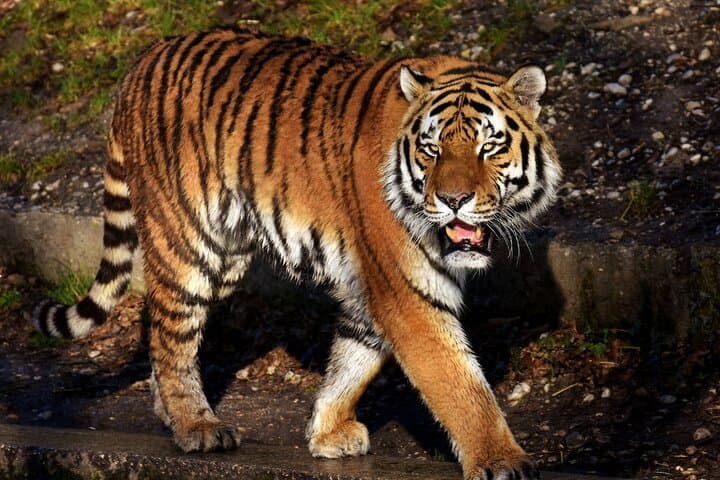
Take a long but rewarding day trip from Jaipur into Ranthambore National Park for a 2–3 hour open-jeep safari. Expect sandstone ridges, waterholes that draw predators, and the real possibility of spotting Bengal tigers alongside other native wildlife.
Take a long but rewarding day trip from Jaipur into Ranthambore National Park for a 2–3 hour open-jeep safari. Expect sandstone ridges, waterholes that draw predators, and the real possibility of spotting Bengal tigers alongside other native wildlife.
Dust kicks up on the highway as the city recedes and the scrub forest of Ranthambore unfurls—scattered thorn trees, weathered sandstone outcrops and the silhouette of an ancient fort watching over the basin.
Verified experiences and guided adventures in the surrounding area.
Operated by Tour Guide Delhi · Sawai Madhopur, Rajasthan
Dust kicks up on the highway as the city recedes and the scrub forest of Ranthambore unfurls—scattered thorn trees, weathered sandstone outcrops and the silhouette of an ancient fort watching over the basin.
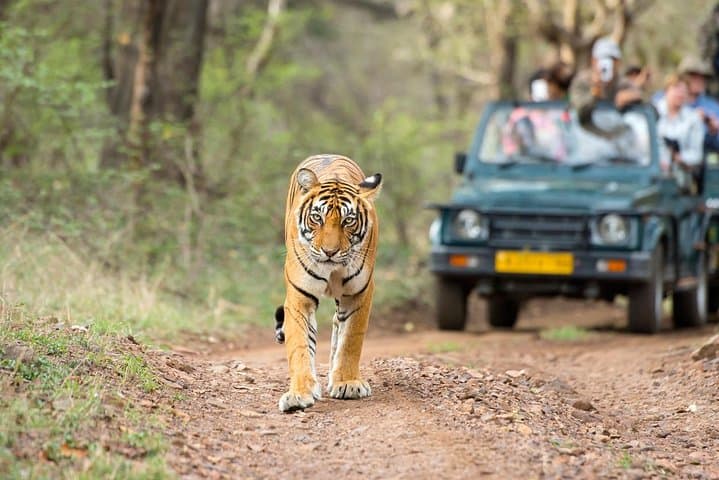
By mid-afternoon you board an open jeep or canter for a 2–3 hour safari where the forest sets the pace: the tall grasses whisper, peacocks flare like living flags, and waterholes dare predators to show. Ranthambore’s landscape is shaped by sandstone ridges and seasonal lakes — terrain that concentrates wildlife and creates repeatable viewing spots.
Historically the area served as royal hunting grounds before becoming a core reserve under Project Tiger in the 1970s; the ruins of Ranthambore Fort recall Rajput and Mughal layers of human history that sit alongside modern conservation work.
Expect a game-driven experience rather than a hike: sightings are a mix of patience and luck. Jeeps follow established routes and zones; guides and park staff coordinate sightings and enforce limits to minimize disturbance.
Practical guidance: the tour departs Jaipur early and returns late — plan for a 12–14 hour day with long stretches in a vehicle. Bring binoculars and a 200mm+ lens if you want close-up shots, wear muted earth tones, carry water and sun protection, and keep movement and noise to a minimum during the drive.
Remember permits, ID (passport), and park rules; sightings are never guaranteed, but the concentration of habitat, waterholes, and large herbivore populations make Ranthambore one of India’s best places to try.
easy.
12–14 hours.
Light fitness required — you should be comfortable sitting for hours with occasional short walks at rest stops.
Ranthambore has good tiger density relative to many parks, but sightings aren’t guaranteed—success depends on time of year, luck, and animal movements.
Yes. Guests are required to carry a valid passport for park entry and permit checks; failure to present ID can lead to denial of entry.
Safaris are generally safe; vehicles are open but guided. Infants may sit in strollers during transfers but must sit on laps during safari; check accessibility needs in advance.
No. Drones are prohibited in protected areas and flash can disturb wildlife; follow park rules and guide instructions about photography.
Ranthambore was a princely hunting reserve before becoming a national park and a Project Tiger priority area; the fort and ruins reflect centuries of Rajput and Mughal presence.
The park balances tourism with conservation through zoned safari limits and strict vehicle rules; visitors should avoid single-use plastics and follow guide directions to minimize impact.
Tour Guide Delhi operates guided outdoor trips and adventures with an emphasis on safety, stewardship, and memorable experiences.


Dust kicks up on the highway as the city recedes and the scrub forest of Ranthambore unfurls—scattered thorn trees, weathered sandstone outcrops and the silhouette of an ancient fort watching over the basin.
Dust kicks up on the highway as the city recedes and the scrub forest of Ranthambore unfurls—scattered thorn trees, weathered sandstone outcrops and the silhouette of an ancient fort watching over the basin.
By mid-afternoon you board an open jeep or canter for a 2–3 hour safari where the forest sets the pace: the tall grasses whisper, peacocks flare like living flags, and waterholes dare predators to show. Ranthambore’s landscape is shaped by sandstone ridges and seasonal lakes — terrain that concentrates wildlife and creates repeatable viewing spots.
Historically the area served as royal hunting grounds before becoming a core reserve under Project Tiger in the 1970s; the ruins of Ranthambore Fort recall Rajput and Mughal layers of human history that sit alongside modern conservation work.
Expect a game-driven experience rather than a hike: sightings are a mix of patience and luck. Jeeps follow established routes and zones; guides and park staff coordinate sightings and enforce limits to minimize disturbance.
Practical guidance: the tour departs Jaipur early and returns late — plan for a 12–14 hour day with long stretches in a vehicle. Bring binoculars and a 200mm+ lens if you want close-up shots, wear muted earth tones, carry water and sun protection, and keep movement and noise to a minimum during the drive.
Remember permits, ID (passport), and park rules; sightings are never guaranteed, but the concentration of habitat, waterholes, and large herbivore populations make Ranthambore one of India’s best places to try.