THE ADVENTURE COLLECTIVE® · Independent discovery and booking for outdoor travel

Spend an evening on a Jaipur rooftop learning to fly kites with a local instructor, then settle in for a home-cooked dinner with your host family. This private, winter-season experience combines hands-on instruction with cultural exchange in a working neighborhood.
Spend an evening on a Jaipur rooftop learning to fly kites with a local instructor, then settle in for a home-cooked dinner with your host family. This private, winter-season experience combines hands-on instruction with cultural exchange in a working neighborhood.
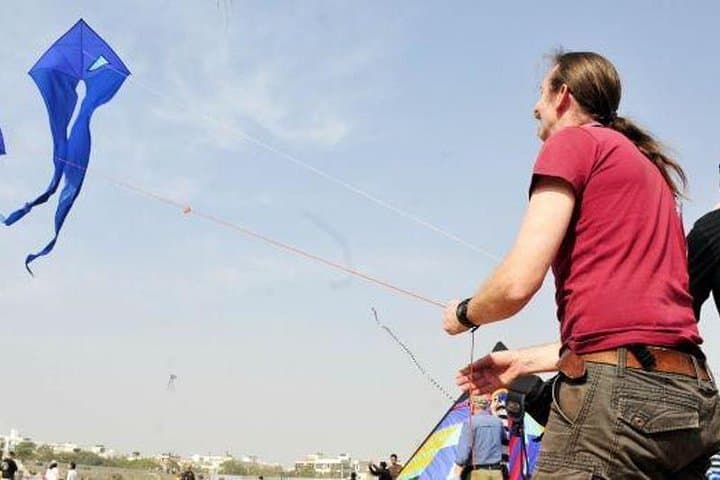
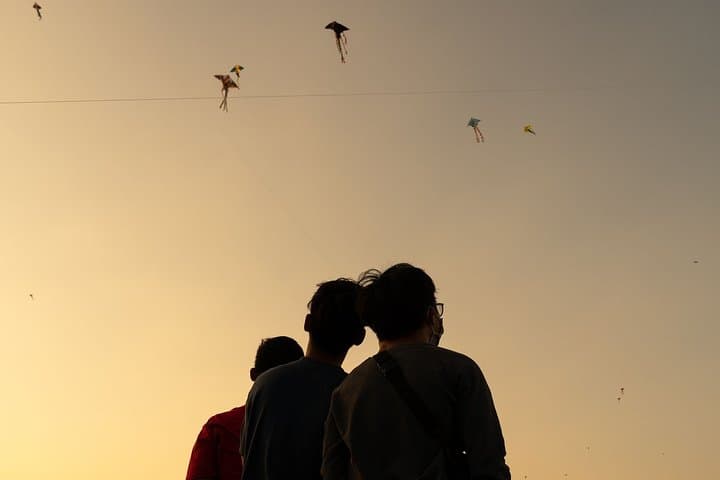
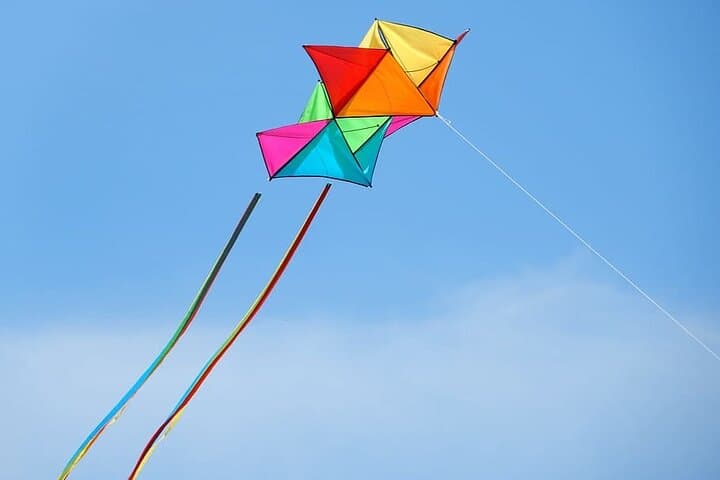
The terrace catches the wind first — a gust that dares you to let go. On a low-rise roof in Jaipur, strings hum and colorful kites pivot against a hard blue sky while neighbors shout friendly challenges across narrow lanes. You learn to feed line and tension, eyes tracking a rival kite as it climbs or tips away, and the city below settles into evening light.
Verified experiences and guided adventures in the surrounding area.
Operated by SITA World Tours · Jaipur, Rajasthan
The terrace catches the wind first — a gust that dares you to let go. On a low-rise roof in Jaipur, strings hum and colorful kites pivot against a hard blue sky while neighbors shout friendly challenges across narrow lanes. You learn to feed line and tension, eyes tracking a rival kite as it climbs or tips away, and the city below settles into evening light.
Jaipur’s grid and pink façades date to 1727, when Maharaja Sawai Jai Singh II laid out a planned city at the edge of the Aravalli foothills. The rooftop kite tradition is as much social sport as seasonal ritual: winter months bring steady winds and community terraces alive with teams. The Aravalli ridges to the west shape local breezes and make rooftop flying reliable; terraces on Sirsi Road and Khagipura are common local launch points.
The cultural payoff comes after the airplay — a home-cooked dinner with a Jaipur family, recipes handed down in small apartments and served with conversation. Menus can be adapted for dietary needs; expect local staples rather than restaurant-style plating.
Practicalities: the experience runs about four hours on private transfer, including instruction and an English-speaking guide. Wear closed-toe shoes for rooftop surfaces, bring sunscreen and sunglasses, and keep a small bottle of water handy. Be mindful of kite line (manja) — it can cut, and it’s harmful to birds; use only the strings provided and avoid crowded streets. This is an easy-to-moderate, immersive urban activity best done in cooler months for consistent winds and comfortable evening dinners.
moderate.
4–5 hours.
Requires a moderate level of mobility for climbing to terraces and standing during instruction; suitable for most people in fair health.
Yes—private air-conditioned pickup and drop-off from Jaipur hotels is provided as part of the tour.
Yes—the host family can alter the menu for dietary preferences if notified at booking; beverages are not included.
Children under 15 must be accompanied by an adult; the activity is family-friendly but requires supervision on rooftops.
This experience does not operate from April through September; it runs in cooler months when winds are more reliable.
Jaipur was planned and founded in 1727 by Maharaja Sawai Jai Singh II; rooftop kite-flying became a communal pastime tied to seasonal festivals like Makar Sankranti.
Avoid using or discarding abrasive manja string—opt for safer, uncoated lines when possible and dispose of waste responsibly to protect urban wildlife.
SITA World Tours operates guided outdoor trips and adventures with an emphasis on safety, stewardship, and memorable experiences.

The terrace catches the wind first — a gust that dares you to let go. On a low-rise roof in Jaipur, strings hum and colorful kites pivot against a hard blue sky while neighbors shout friendly challenges across narrow lanes. You learn to feed line and tension, eyes tracking a rival kite as it climbs or tips away, and the city below settles into evening light.
The terrace catches the wind first — a gust that dares you to let go. On a low-rise roof in Jaipur, strings hum and colorful kites pivot against a hard blue sky while neighbors shout friendly challenges across narrow lanes. You learn to feed line and tension, eyes tracking a rival kite as it climbs or tips away, and the city below settles into evening light.
Jaipur’s grid and pink façades date to 1727, when Maharaja Sawai Jai Singh II laid out a planned city at the edge of the Aravalli foothills. The rooftop kite tradition is as much social sport as seasonal ritual: winter months bring steady winds and community terraces alive with teams. The Aravalli ridges to the west shape local breezes and make rooftop flying reliable; terraces on Sirsi Road and Khagipura are common local launch points.
The cultural payoff comes after the airplay — a home-cooked dinner with a Jaipur family, recipes handed down in small apartments and served with conversation. Menus can be adapted for dietary needs; expect local staples rather than restaurant-style plating.
Practicalities: the experience runs about four hours on private transfer, including instruction and an English-speaking guide. Wear closed-toe shoes for rooftop surfaces, bring sunscreen and sunglasses, and keep a small bottle of water handy. Be mindful of kite line (manja) — it can cut, and it’s harmful to birds; use only the strings provided and avoid crowded streets. This is an easy-to-moderate, immersive urban activity best done in cooler months for consistent winds and comfortable evening dinners.