THE ADVENTURE COLLECTIVE® · Independent discovery and booking for outdoor travel

Move through Jaipur’s markets with a local shopping consultant who knows where to find authentic textiles, jewelry, and blue pottery. This private half-day tour streamlines bargaining and points you to genuine artisans and better prices.
Move through Jaipur’s markets with a local shopping consultant who knows where to find authentic textiles, jewelry, and blue pottery. This private half-day tour streamlines bargaining and points you to genuine artisans and better prices.
You step from an air-conditioned car into a corridor of color: saris draped like flags, trays of glass bangles catching slanting light, and the low hum of bargaining. The consultant moves beside you, equal parts translator, local historian and price strategist, guiding a route through three to four markets chosen for craft quality and authentic value.
Verified experiences and guided adventures in the surrounding area.
Operated by Bagga India Tour · Jaipur, Rajasthan
You step from an air-conditioned car into a corridor of color: saris draped like flags, trays of glass bangles catching slanting light, and the low hum of bargaining. The consultant moves beside you, equal parts translator, local historian and price strategist, guiding a route through three to four markets chosen for craft quality and authentic value.
Jaipur’s markets are living chapters of the city’s 18th-century founding by Maharaja Sawai Jai Singh II. Buildings rise in warm sandstone, and centuries of trade—textiles, gemstones, blue pottery—left patterns in both technique and street layout. Geology shows up in material: locally mined sandstone and semi-precious stones set the region’s aesthetic and economy.
Culturally, markets are social hubs. Expect to encounter artisans working small-scale, shops that have operated for generations, and regional specialties such as block-printed textiles, meenakari jewelry, and tie-dye fabrics. Your consultant will point out signs of genuine craft versus machine-made imitators and explain local bargaining norms.
Practical guidance: allow roughly six hours for a half-day that moves at an unhurried pace; carry small-denomination rupee notes and a lightweight bag for purchases. Plan mornings for cooler temperatures and fresher stock, and bring clear photos or measurements if you want custom tailoring. Keep receipts for larger purchases and confirm any delivery or shipping arrangements before you leave the shop. Hydrate—markets are walkable but intense—and reserve a block of time for a relaxed return to your hotel for packing or valuation. With a local consultant, shopping in Jaipur becomes an efficient, culturally informed exploration rather than a trial-and-error hunt.
easy.
6 hours.
Light walking ability; suitable for most fitness levels
Yes, hotel pickup and drop-off within Jaipur is included in the tour price.
Yes, the tour is private and customizable—tell the consultant your interests during booking or at pickup.
Bargaining is common; your consultant can advise starting offers and fair prices for quality.
Yes, the tour is family-friendly but be mindful of crowded lanes and traffic when touring with small children.
Jaipur was founded in 1727 by Maharaja Sawai Jai Singh II and has long been a regional hub for textiles, gemstones and blue pottery.
Support local craft economies by buying directly from artisans or registered shops, avoid plastic bags, and ask about ethical sourcing to help preserve traditional skills.
Bagga India Tour operates guided outdoor trips and adventures with an emphasis on safety, stewardship, and memorable experiences.


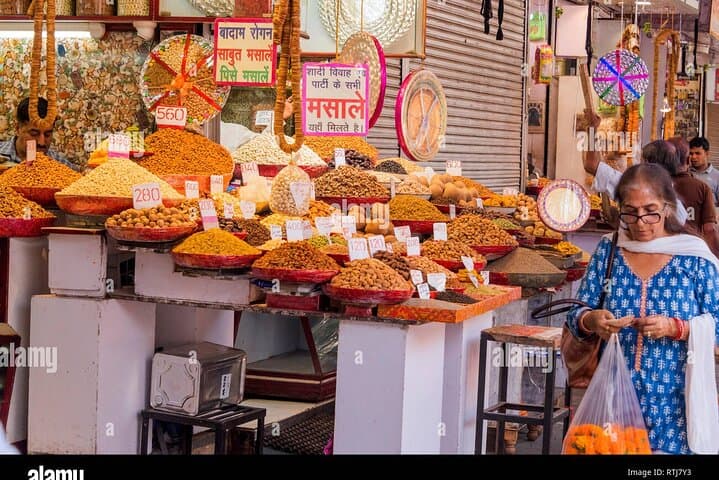
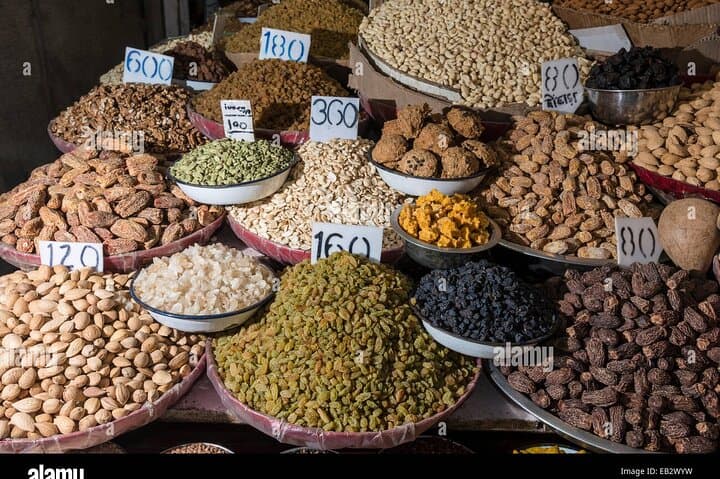
You step from an air-conditioned car into a corridor of color: saris draped like flags, trays of glass bangles catching slanting light, and the low hum of bargaining. The consultant moves beside you, equal parts translator, local historian and price strategist, guiding a route through three to four markets chosen for craft quality and authentic value.
You step from an air-conditioned car into a corridor of color: saris draped like flags, trays of glass bangles catching slanting light, and the low hum of bargaining. The consultant moves beside you, equal parts translator, local historian and price strategist, guiding a route through three to four markets chosen for craft quality and authentic value.
Jaipur’s markets are living chapters of the city’s 18th-century founding by Maharaja Sawai Jai Singh II. Buildings rise in warm sandstone, and centuries of trade—textiles, gemstones, blue pottery—left patterns in both technique and street layout. Geology shows up in material: locally mined sandstone and semi-precious stones set the region’s aesthetic and economy.
Culturally, markets are social hubs. Expect to encounter artisans working small-scale, shops that have operated for generations, and regional specialties such as block-printed textiles, meenakari jewelry, and tie-dye fabrics. Your consultant will point out signs of genuine craft versus machine-made imitators and explain local bargaining norms.
Practical guidance: allow roughly six hours for a half-day that moves at an unhurried pace; carry small-denomination rupee notes and a lightweight bag for purchases. Plan mornings for cooler temperatures and fresher stock, and bring clear photos or measurements if you want custom tailoring. Keep receipts for larger purchases and confirm any delivery or shipping arrangements before you leave the shop. Hydrate—markets are walkable but intense—and reserve a block of time for a relaxed return to your hotel for packing or valuation. With a local consultant, shopping in Jaipur becomes an efficient, culturally informed exploration rather than a trial-and-error hunt.