THE ADVENTURE COLLECTIVE® · Independent discovery and booking for outdoor travel

A private full-day drive from Delhi delivers Jaipur’s top monuments—Hawa Mahal, City Palace, Jantar Mantar and Jal Mahal—in one paced itinerary. Ideal for travelers who want a guided, all-inclusive introduction to the Pink City on a single long day.
A private full-day drive from Delhi delivers Jaipur’s top monuments—Hawa Mahal, City Palace, Jantar Mantar and Jal Mahal—in one paced itinerary. Ideal for travelers who want a guided, all-inclusive introduction to the Pink City on a single long day.
You arrive before sunrise in the wide passenger seat of an air-conditioned car, watching the plains between Delhi and Jaipur unfurl: scrubland, distant low hills, and intermittent villages where the day begins around tea stalls.
Verified experiences and guided adventures in the surrounding area.
Operated by Bagga India Tour · Jaipur, Rajasthan
You arrive before sunrise in the wide passenger seat of an air-conditioned car, watching the plains between Delhi and Jaipur unfurl: scrubland, distant low hills, and intermittent villages where the day begins around tea stalls.
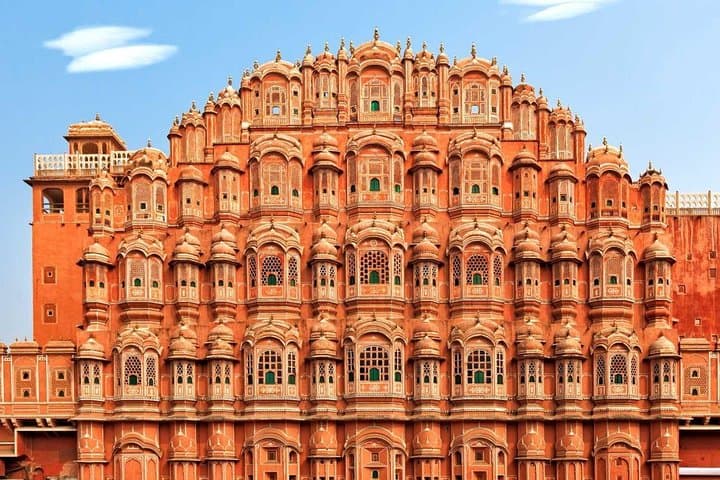
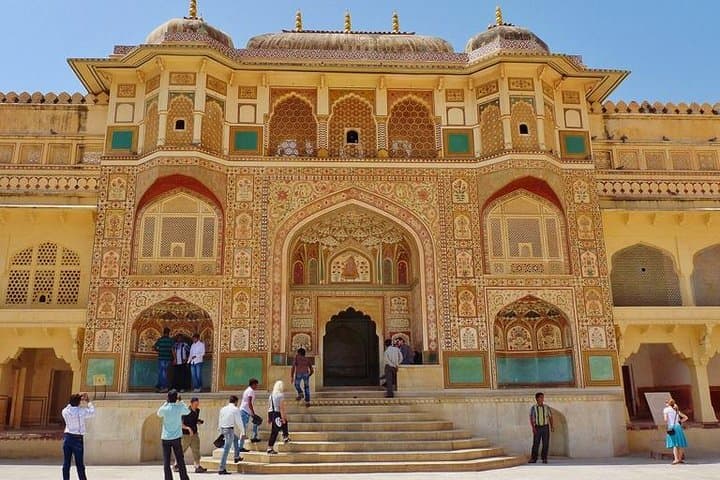
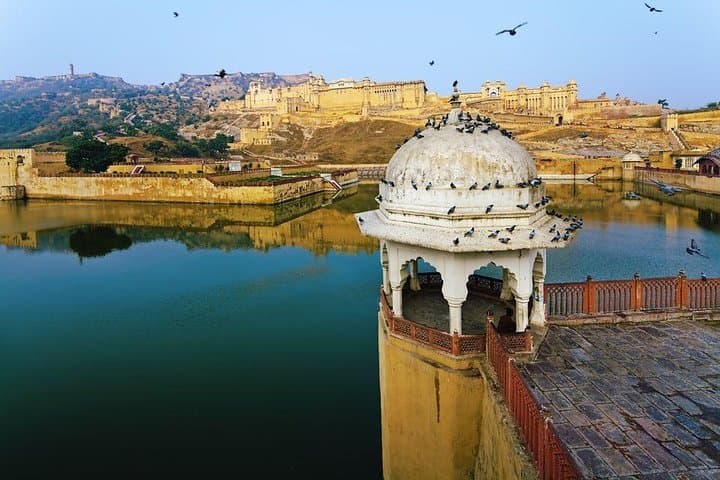
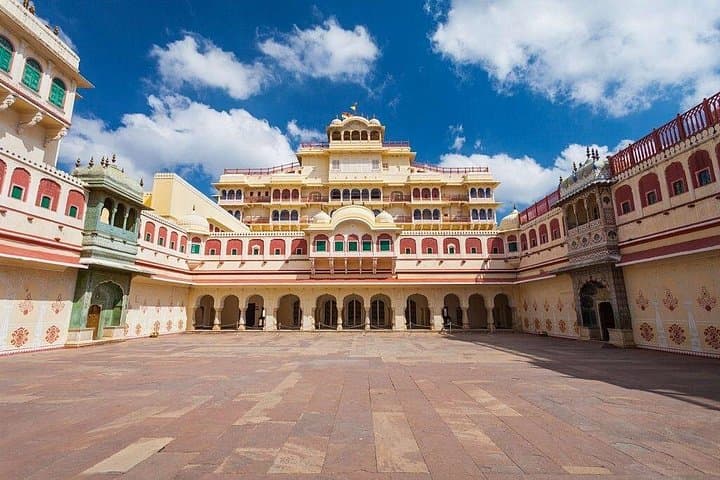
By mid-morning you stand in front of Hawa Mahal’s honeycomb façade, feeling the city press with color and motion. The tour threads through the City Palace courtyards, the geometric instruments of Jantar Mantar and the quiet reflection of Jal Mahal’s water—each stop revealing a different layer of Jaipur’s identity: royal pageantry, scientific ambition and engineered waterworks.
Jaipur was planned in 1727 by Maharaja Sawai Jai Singh II; its grid streets and ochre buildings reflect deliberate urban design and Rajput court culture. Geologically the city sits on the Aravalli foothills, and many forts and stepwells are built into this ancient range. Local life—bazaar traders, marble artisans, rooftop tea vendors—carries through the lanes, giving context to the monuments.
Practical guidance: expect a long day (early pickup from Delhi) with several short walks at monuments; bring sun protection and comfortable shoes for uneven stone steps. If you choose the all-inclusive option, entrance fees and a buffet lunch simplify logistics, but confirm any optional fort entries in advance. Timing matters: Hawa Mahal and Jantar Mantar are most photogenic in morning light; Jal Mahal looks best approaching late afternoon when the lake surface calms.
The private format means you can tweak the pace—skip Jaigarh’s steep climbs or linger at a stepwell—so plan priorities with your guide before departure.
easy.
15 hours (full day, includes driving).
Suitable for most fitness levels; requires standing and short walks at multiple sites and tolerance for a long day in a vehicle.
Pickup and drop-off are included from hotels in Delhi, Noida and Gurugram; provide your pickup point at booking.
Entrance fees and buffet lunch are included only if you select the All Inclusive Tour option—confirm at booking.
Yes—infant seats are available but request them when booking; the itinerary is family-friendly with short walks.
The tour is private and can often be customized; discuss any additions or skips (e.g., Jaigarh Fort) with your guide before departure.
Jaipur was founded in 1727 by Maharaja Sawai Jai Singh II as a planned capital; the city's grid layout and painted buildings reflect its royal origins and civic design.
Man Sagar Lake and Jal Mahal have undergone restoration—tourists should avoid littering and limit single-use plastics to support ongoing conservation efforts.
Bagga India Tour operates guided outdoor trips and adventures with an emphasis on safety, stewardship, and memorable experiences.
You arrive before sunrise in the wide passenger seat of an air-conditioned car, watching the plains between Delhi and Jaipur unfurl: scrubland, distant low hills, and intermittent villages where the day begins around tea stalls.
You arrive before sunrise in the wide passenger seat of an air-conditioned car, watching the plains between Delhi and Jaipur unfurl: scrubland, distant low hills, and intermittent villages where the day begins around tea stalls.
By mid-morning you stand in front of Hawa Mahal’s honeycomb façade, feeling the city press with color and motion. The tour threads through the City Palace courtyards, the geometric instruments of Jantar Mantar and the quiet reflection of Jal Mahal’s water—each stop revealing a different layer of Jaipur’s identity: royal pageantry, scientific ambition and engineered waterworks.
Jaipur was planned in 1727 by Maharaja Sawai Jai Singh II; its grid streets and ochre buildings reflect deliberate urban design and Rajput court culture. Geologically the city sits on the Aravalli foothills, and many forts and stepwells are built into this ancient range. Local life—bazaar traders, marble artisans, rooftop tea vendors—carries through the lanes, giving context to the monuments.
Practical guidance: expect a long day (early pickup from Delhi) with several short walks at monuments; bring sun protection and comfortable shoes for uneven stone steps. If you choose the all-inclusive option, entrance fees and a buffet lunch simplify logistics, but confirm any optional fort entries in advance. Timing matters: Hawa Mahal and Jantar Mantar are most photogenic in morning light; Jal Mahal looks best approaching late afternoon when the lake surface calms.
The private format means you can tweak the pace—skip Jaigarh’s steep climbs or linger at a stepwell—so plan priorities with your guide before departure.