THE ADVENTURE COLLECTIVE® · Independent discovery and booking for outdoor travel

Spend 48 hours exploring Jaipur’s forts, palaces and the holy pools of Galtaji. This private overnight tour pairs early‑morning temple visits with Amber Fort and city highlights, plus practical tips for navigating heat, crowds and local customs.
Spend 48 hours exploring Jaipur’s forts, palaces and the holy pools of Galtaji. This private overnight tour pairs early‑morning temple visits with Amber Fort and city highlights, plus practical tips for navigating heat, crowds and local customs.
The morning light spills over the Aravalli ridgeline as a private cab eases out of Delhi and into the ochre lanes of Jaipur. On arrival, the city’s layered history reveals itself: red sandstone façades, narrow bazaars, and the chanting that rises from Galtaji’s pools.
Verified experiences and guided adventures in the surrounding area.
Operated by Saniya Tour & Travels · Jaipur, Rajasthan
The morning light spills over the Aravalli ridgeline as a private cab eases out of Delhi and into the ochre lanes of Jaipur. On arrival, the city’s layered history reveals itself: red sandstone façades, narrow bazaars, and the chanting that rises from Galtaji’s pools.
Galtaji (Galta Ji) is a prehistoric pilgrimage site positioned against an Aravalli outcrop; stepped ghats lead down to sacred kunds fed by natural springs and punctuated by small shrines. Monkeys are a constant presence here—curious, territorial, and impossible to ignore—while the valley drafts carry temple hymns outward toward the city.
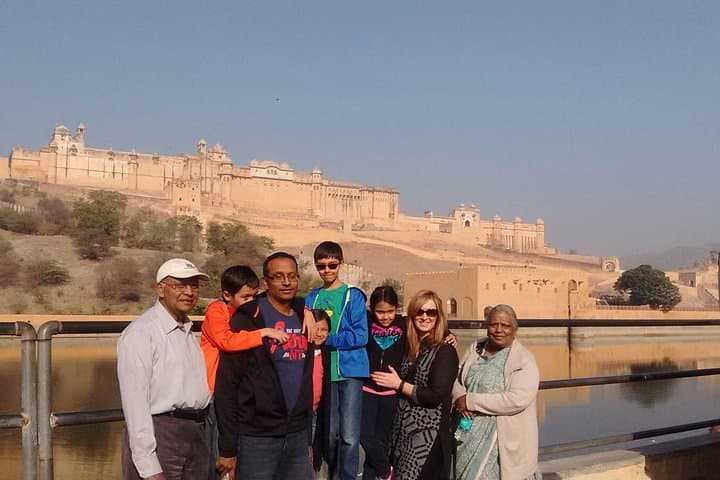
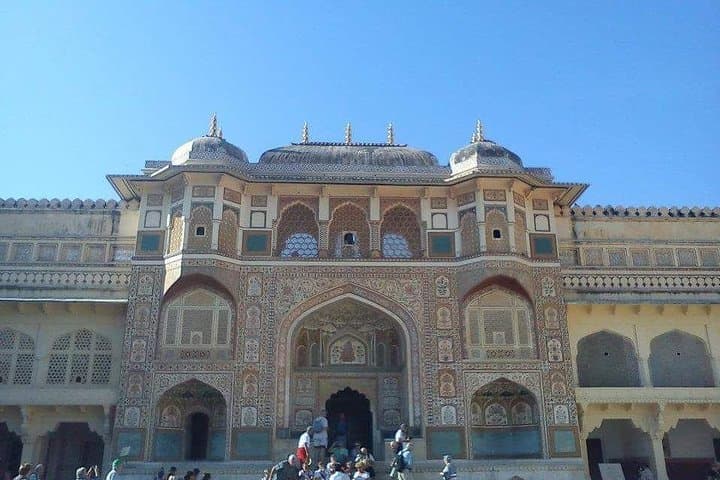
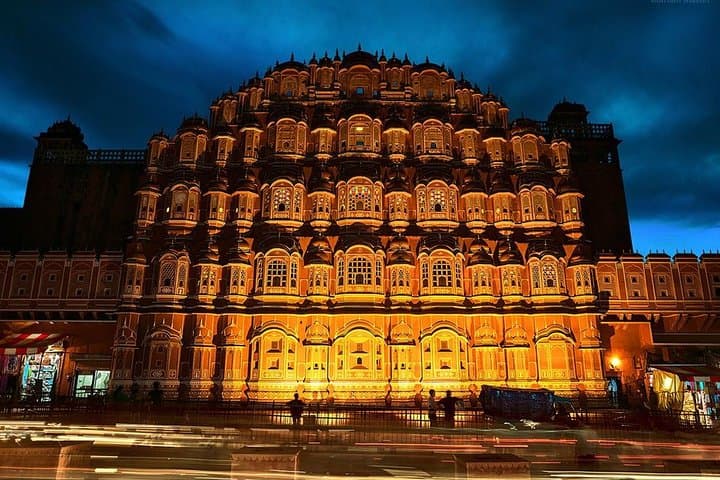
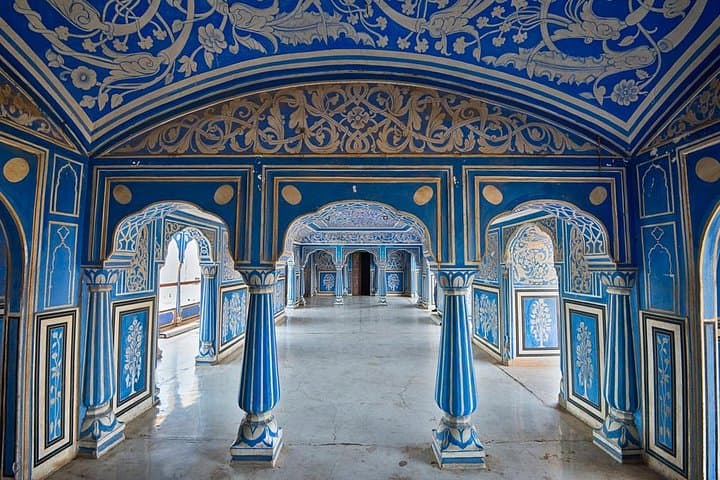
The second day covers Jaipur’s architectural highlights. Amber (Amer) Fort sits high above Maota Lake, built as a fortified palace complex with ramparts and courtyards from the 16th–18th centuries. Jal Mahal floats in the lake below, a late‑Mughal pleasure palace. City Palace and Hawa Mahal showcase the blend of Rajput and Mughal design that shaped Jaipur after Sawai Jai Singh II founded the city in the 18th century.
Practical guidance: plan early starts to avoid mid‑day heat and the crowds at Amber Fort. Wear closed-toe shoes for uneven stone steps at Galtaji and Amer; temples require modest clothing and shoes removed before entry. Bring sun protection, a refillable water bottle (water stations are limited), and small change for local vendors and photography where required.
This two‑day private itinerary balances cultural monuments, short walks on varied terrain, and close encounters with wildlife; it’s an accessible introduction to Jaipur’s layered landscape for travelers seeking history with straightforward logistics.
easy.
2 days.
Suitable for most travelers; involves short walks, stairs and some uneven terrain—basic mobility required
Yes—round‑trip private transport with pickup and drop‑off in Delhi/NCR is included.
The tour is labeled wheelchair accessible for transport, but there are stairs and uneven surfaces at some sites; discuss specific needs when booking.
Breakfast and taxes/fees are included; check with the operator about monument entry fees, which are typically covered or communicated prior to the visit.
Photography is generally allowed at outdoor sites but may be restricted in some temple interiors or museums—follow on‑site signs and guide instructions.
Jaipur was founded in the early 18th century by Maharaja Sawai Jai Singh II; the city’s planned grid and palaces reflect rapid royal development during his reign. Galtaji predates much of the city and has long been a pilgrimage site built around natural springs.
Water management at Man Sagar Lake and the kunds at Galtaji has been a focus of restoration; visitors are encouraged to avoid littering, respect sacred spaces, and use designated paths to protect fragile stonework.
Saniya Tour & Travels operates guided outdoor trips and adventures with an emphasis on safety, stewardship, and memorable experiences.
The morning light spills over the Aravalli ridgeline as a private cab eases out of Delhi and into the ochre lanes of Jaipur. On arrival, the city’s layered history reveals itself: red sandstone façades, narrow bazaars, and the chanting that rises from Galtaji’s pools.
The morning light spills over the Aravalli ridgeline as a private cab eases out of Delhi and into the ochre lanes of Jaipur. On arrival, the city’s layered history reveals itself: red sandstone façades, narrow bazaars, and the chanting that rises from Galtaji’s pools.
Galtaji (Galta Ji) is a prehistoric pilgrimage site positioned against an Aravalli outcrop; stepped ghats lead down to sacred kunds fed by natural springs and punctuated by small shrines. Monkeys are a constant presence here—curious, territorial, and impossible to ignore—while the valley drafts carry temple hymns outward toward the city.
The second day covers Jaipur’s architectural highlights. Amber (Amer) Fort sits high above Maota Lake, built as a fortified palace complex with ramparts and courtyards from the 16th–18th centuries. Jal Mahal floats in the lake below, a late‑Mughal pleasure palace. City Palace and Hawa Mahal showcase the blend of Rajput and Mughal design that shaped Jaipur after Sawai Jai Singh II founded the city in the 18th century.
Practical guidance: plan early starts to avoid mid‑day heat and the crowds at Amber Fort. Wear closed-toe shoes for uneven stone steps at Galtaji and Amer; temples require modest clothing and shoes removed before entry. Bring sun protection, a refillable water bottle (water stations are limited), and small change for local vendors and photography where required.
This two‑day private itinerary balances cultural monuments, short walks on varied terrain, and close encounters with wildlife; it’s an accessible introduction to Jaipur’s layered landscape for travelers seeking history with straightforward logistics.