THE ADVENTURE COLLECTIVE® · Independent discovery and booking for outdoor travel

See Jaipur’s forts, palaces and the UNESCO observatory on a private same-day tour from Delhi. This long but accessible drive-option packs Amber Fort, Jal Mahal, City Palace and Jantar Mantar into one expertly guided day.
See Jaipur’s forts, palaces and the UNESCO observatory on a private same-day tour from Delhi. This long but accessible drive-option packs Amber Fort, Jal Mahal, City Palace and Jantar Mantar into one expertly guided day.
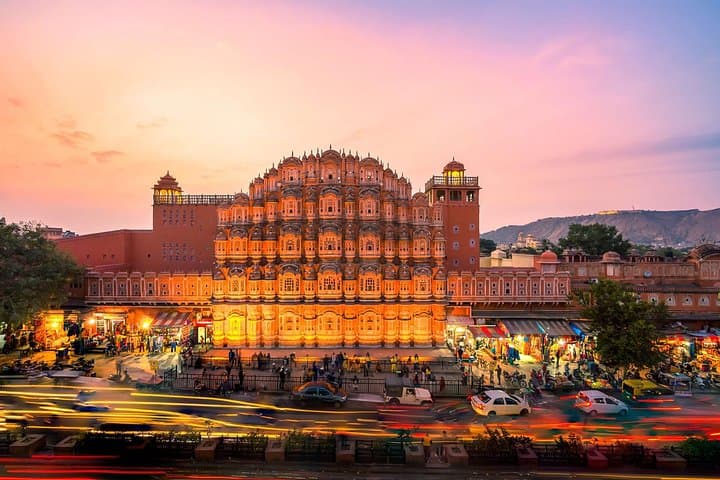
You leave Delhi before dawn and the highway unfurls under the car’s wheels as fields and small towns blur past. By midmorning the pink-rose facades of Jaipur rise out of the dry plains — a city of fortresses, broad plazas and narrow lanes where stone observatories and royal palaces command attention.
Verified experiences and guided adventures in the surrounding area.
Operated by Agra Taj Visit · Jaipur, Rajasthan
You leave Delhi before dawn and the highway unfurls under the car’s wheels as fields and small towns blur past. By midmorning the pink-rose facades of Jaipur rise out of the dry plains — a city of fortresses, broad plazas and narrow lanes where stone observatories and royal palaces command attention.
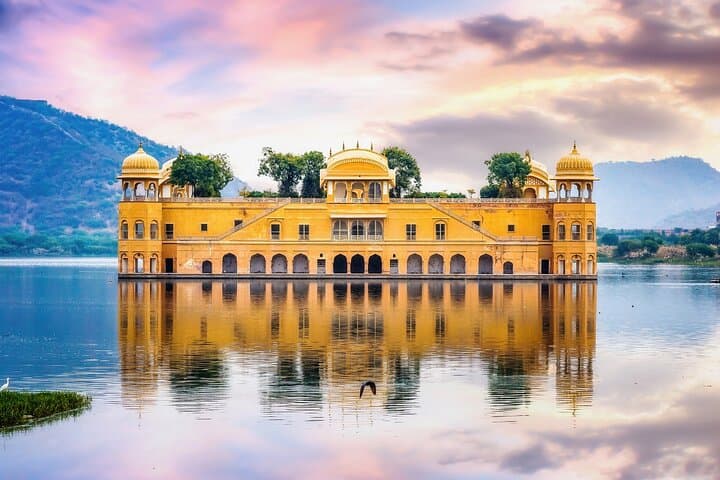
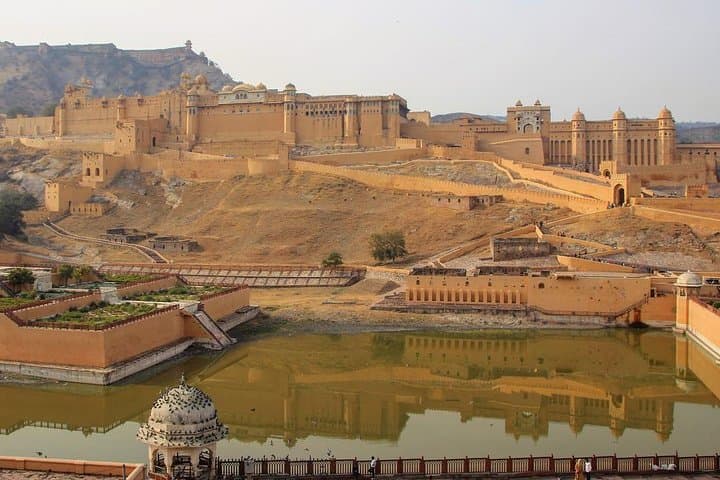
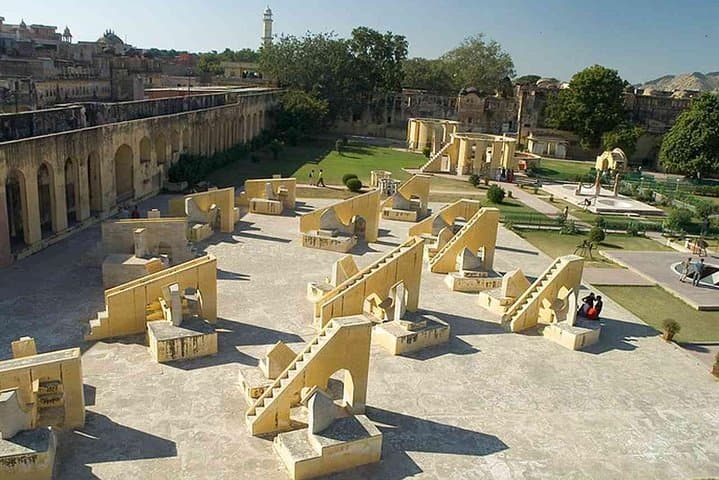
Amber Fort sits on a rocky spur above Maota Lake; its ramparts and carved halls speak to Rajput power and Mughal influence. Close by, Jal Mahal’s low-lying water palace seems to float when monsoon-fed lakes reflect its base. The City Palace and the Sheesh Mahal inside Amber reveal craftsmanship: mirrored ceilings, painted walls, and textile histories that chart Rajasthan’s trade in dyes and jewels. Jantar Mantar, a UNESCO stone observatory, demonstrates 18th-century astronomical pragmatism — massive sundials and calibrated instruments that measure time and angles with surprising accuracy.
Culturally, Jaipur still lives in garments, handicrafts and markets; expect vibrant textiles and conversational bargaining. The drive back to Delhi retraces centuries of trade routes that shaped the region’s towns.
Practical guide: this is a long, mostly road-based day — plan for fourteen hours including drives. Wear sturdy walking shoes, sun protection and bring water; several sites have steps and uneven stone floors. Entrance fees may be extra and security checks are standard. Schedule the Amber visit early to avoid peak heat and crowds. If you prefer a slower pace, consider an overnight stay in Jaipur to split the itinerary and explore local bazaars after dusk.
easy.
14 hours.
Suitable for general fitness; most walking is on even stone surfaces with occasional steps and short climbs.
Entrance fees are typically optional and may not be included unless you select a ticketed option—confirm at booking and carry local currency for onsite fees.
Expect about 4–5 hours each way depending on traffic; the full tour day lasts roughly 14 hours including stops and return transfer.
Yes—this tour includes hotel or airport pickup and drop-off within Delhi; you’ll specify your pickup point when booking.
The tour is family-friendly but includes stairs and uneven stone floors; not recommended for travelers with serious spinal or cardiovascular conditions.
Jaipur was founded in 1727 by Maharaja Sawai Jai Singh II as a planned city; its grid layout and city gates reflect early urban design in Rajasthan.
Heritage sites manage visitor impact through controlled access and incremental restoration; support local conservation by following site rules and avoiding single-use plastics.
Agra Taj Visit operates guided outdoor trips and adventures with an emphasis on safety, stewardship, and memorable experiences.
You leave Delhi before dawn and the highway unfurls under the car’s wheels as fields and small towns blur past. By midmorning the pink-rose facades of Jaipur rise out of the dry plains — a city of fortresses, broad plazas and narrow lanes where stone observatories and royal palaces command attention.
You leave Delhi before dawn and the highway unfurls under the car’s wheels as fields and small towns blur past. By midmorning the pink-rose facades of Jaipur rise out of the dry plains — a city of fortresses, broad plazas and narrow lanes where stone observatories and royal palaces command attention.
Amber Fort sits on a rocky spur above Maota Lake; its ramparts and carved halls speak to Rajput power and Mughal influence. Close by, Jal Mahal’s low-lying water palace seems to float when monsoon-fed lakes reflect its base. The City Palace and the Sheesh Mahal inside Amber reveal craftsmanship: mirrored ceilings, painted walls, and textile histories that chart Rajasthan’s trade in dyes and jewels. Jantar Mantar, a UNESCO stone observatory, demonstrates 18th-century astronomical pragmatism — massive sundials and calibrated instruments that measure time and angles with surprising accuracy.
Culturally, Jaipur still lives in garments, handicrafts and markets; expect vibrant textiles and conversational bargaining. The drive back to Delhi retraces centuries of trade routes that shaped the region’s towns.
Practical guide: this is a long, mostly road-based day — plan for fourteen hours including drives. Wear sturdy walking shoes, sun protection and bring water; several sites have steps and uneven stone floors. Entrance fees may be extra and security checks are standard. Schedule the Amber visit early to avoid peak heat and crowds. If you prefer a slower pace, consider an overnight stay in Jaipur to split the itinerary and explore local bazaars after dusk.